–
Curated by: Huang Suhuai
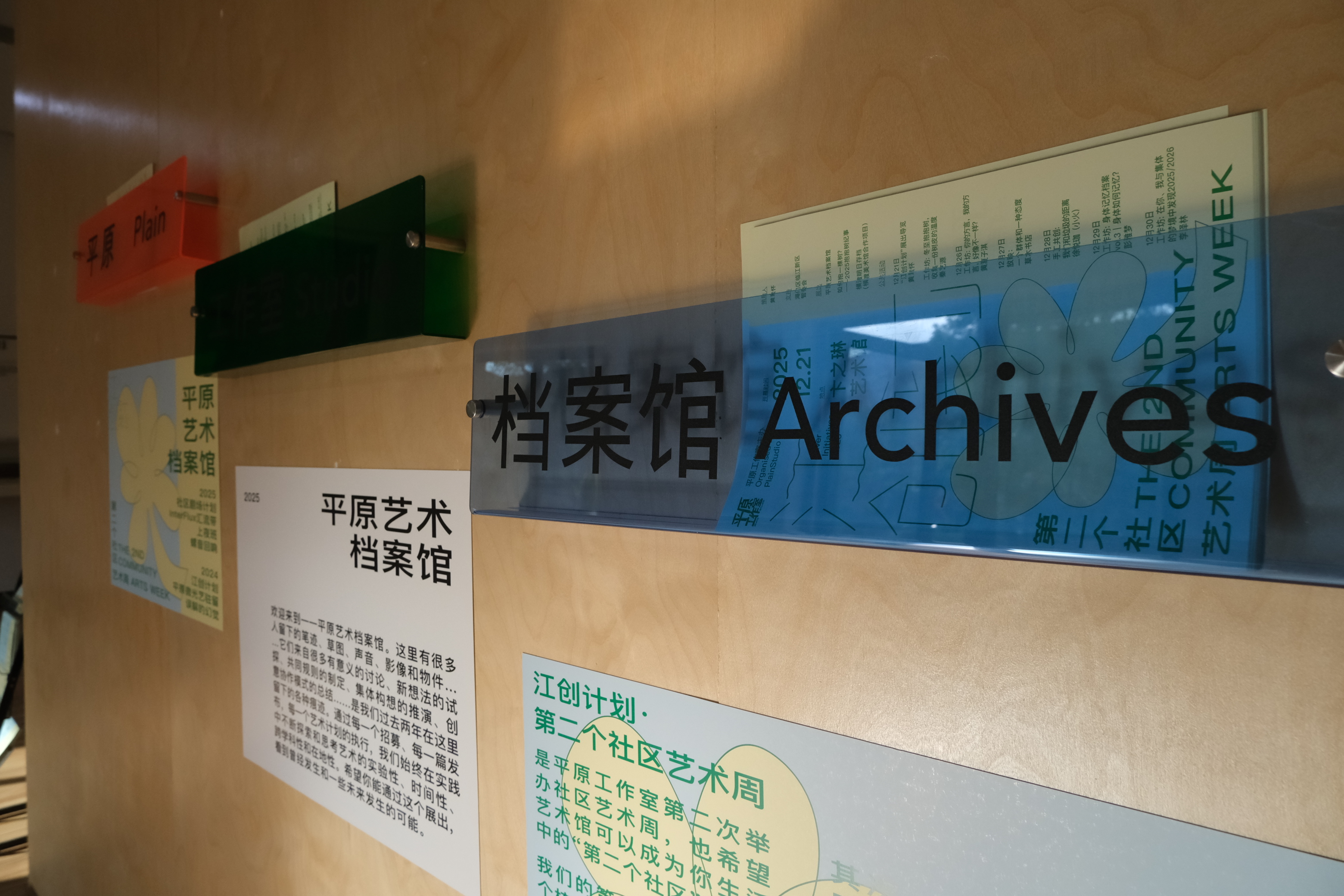
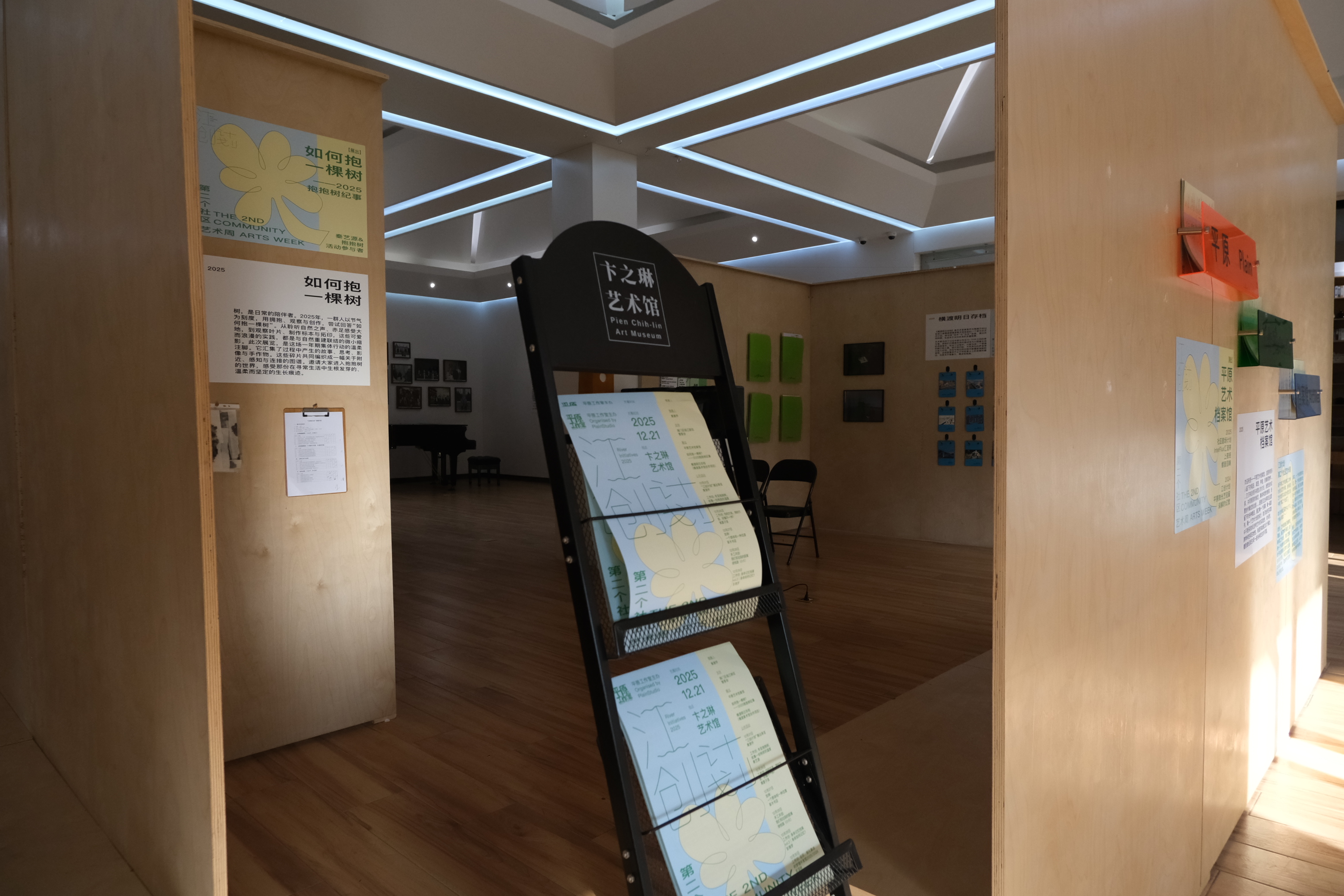
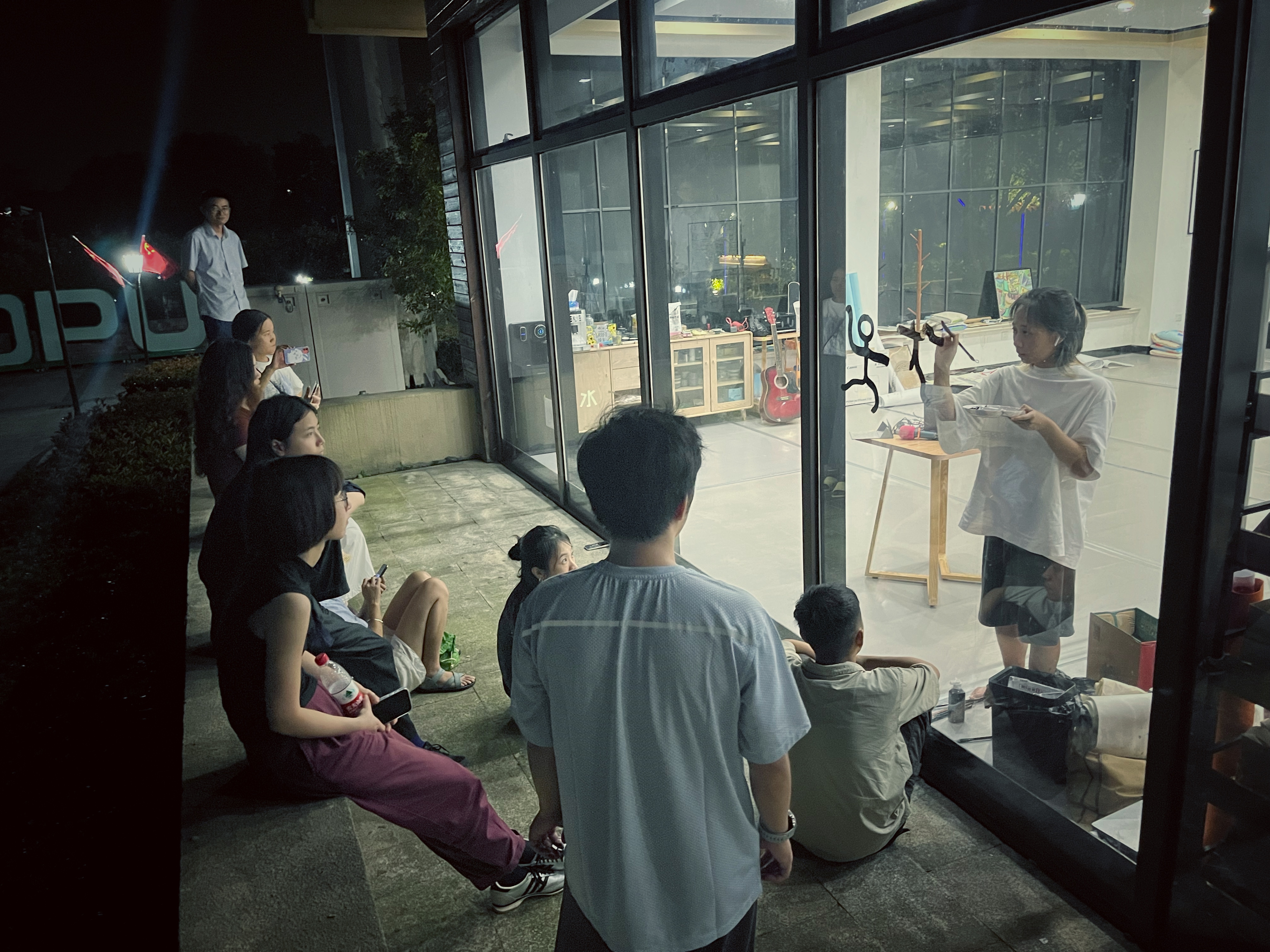
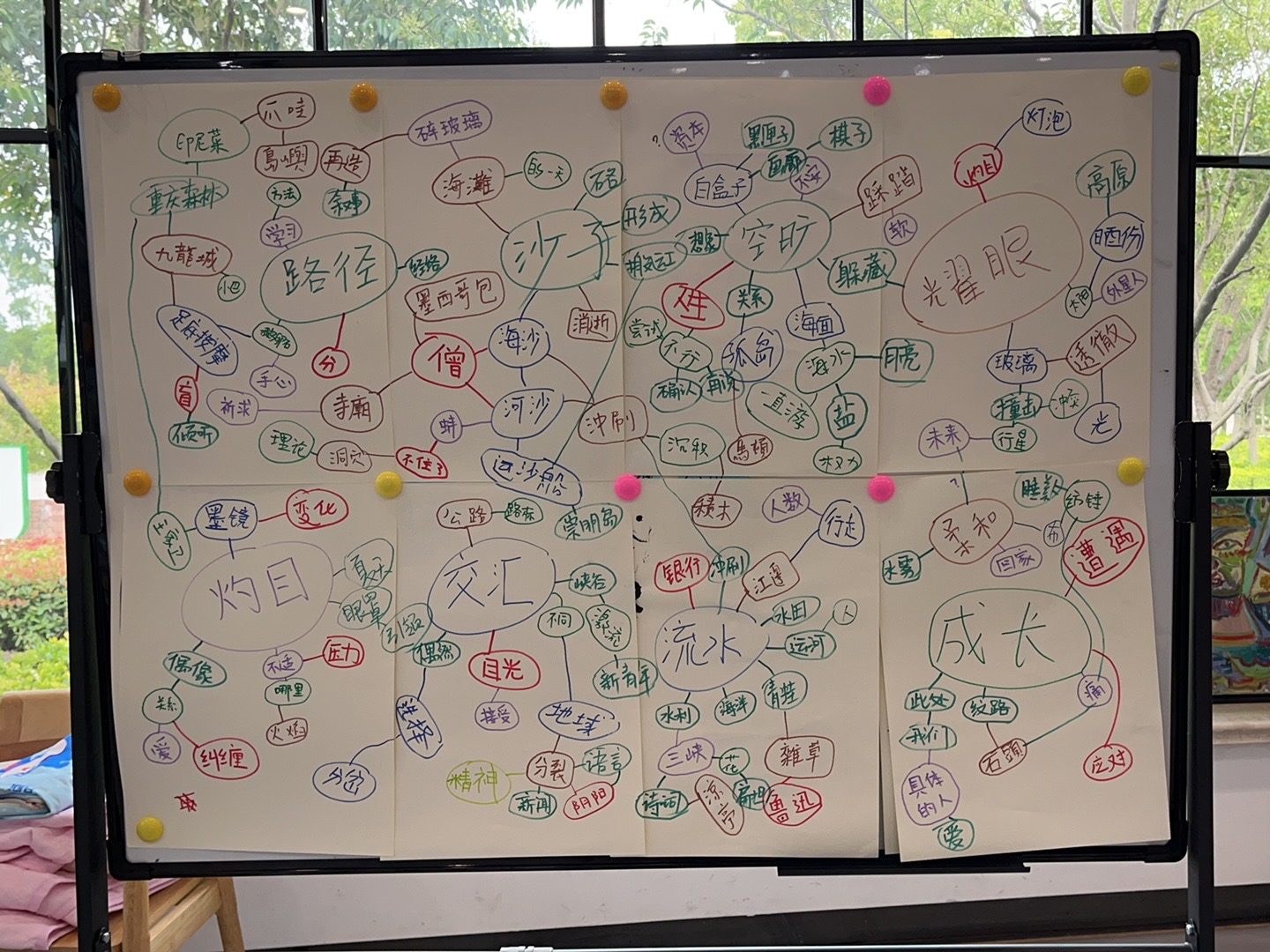
Welcome to the Plain Studio Archive. There are the raw traces of our last two years in Pien Chi-lin Art Museums — Images, handwriting, sketches, sounds, and the remnants of collective debates. These artifacts reflect our constant questioning of the experimental, temporal, and community nature of art.
–
Curated by: Huang Suhuai
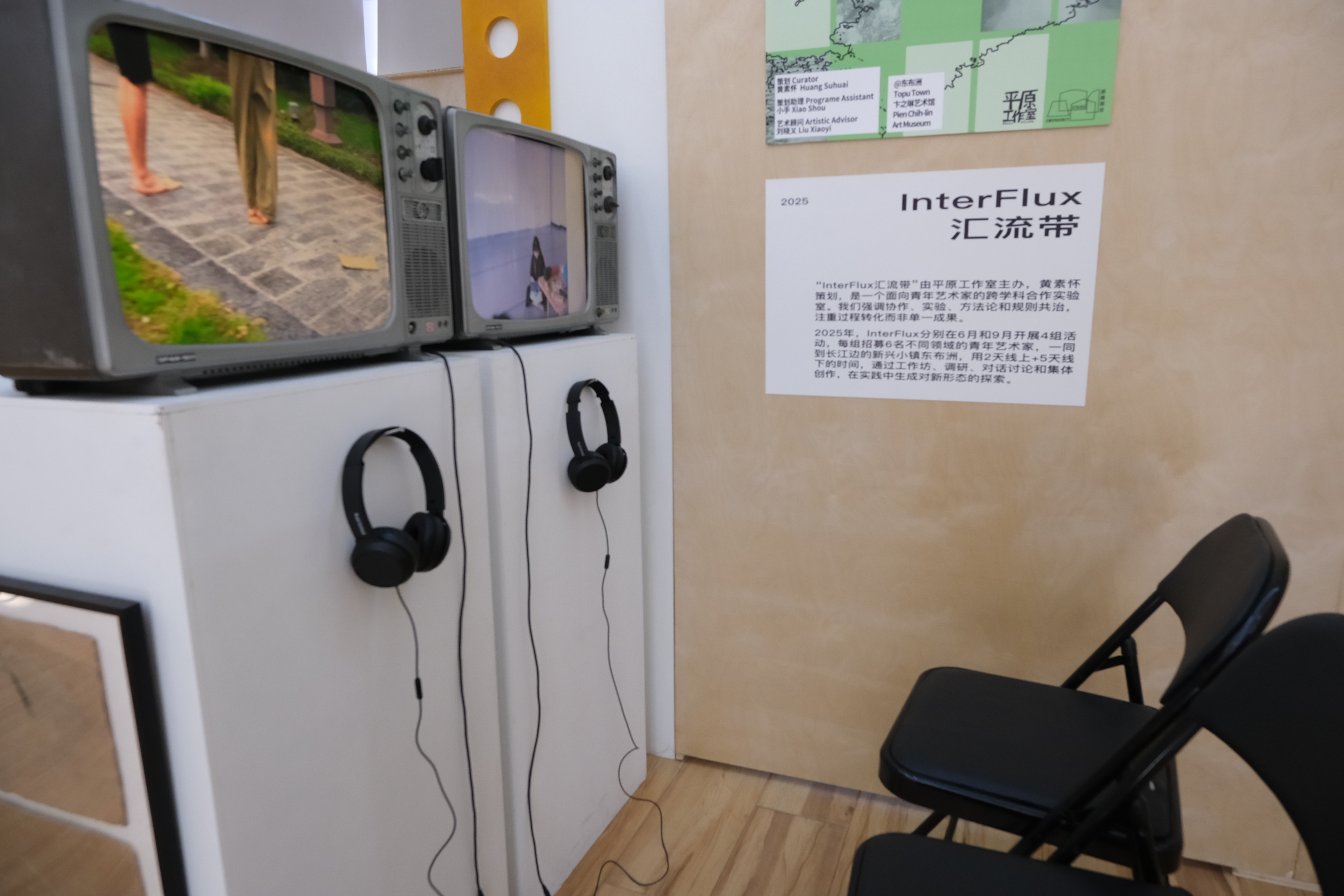
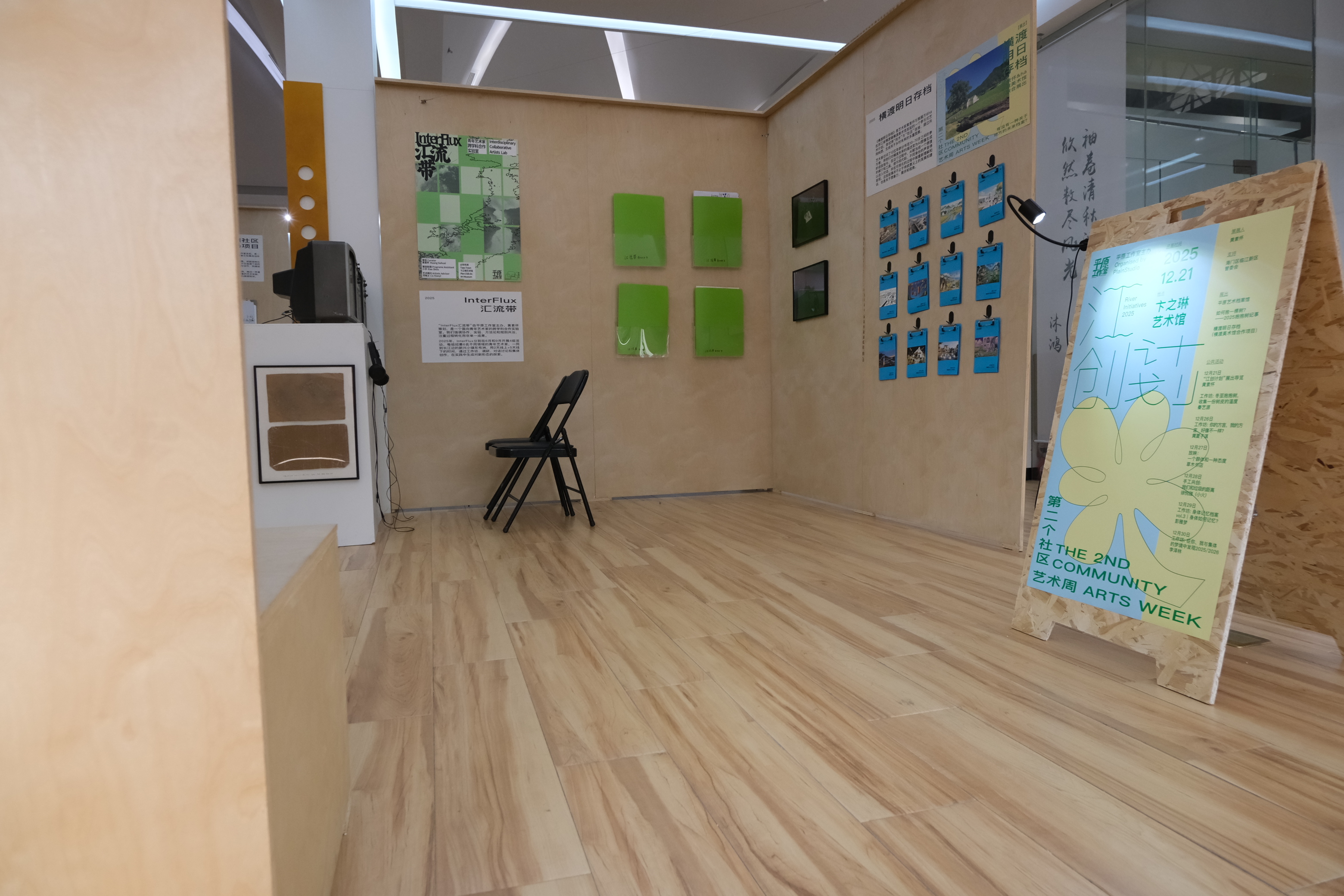
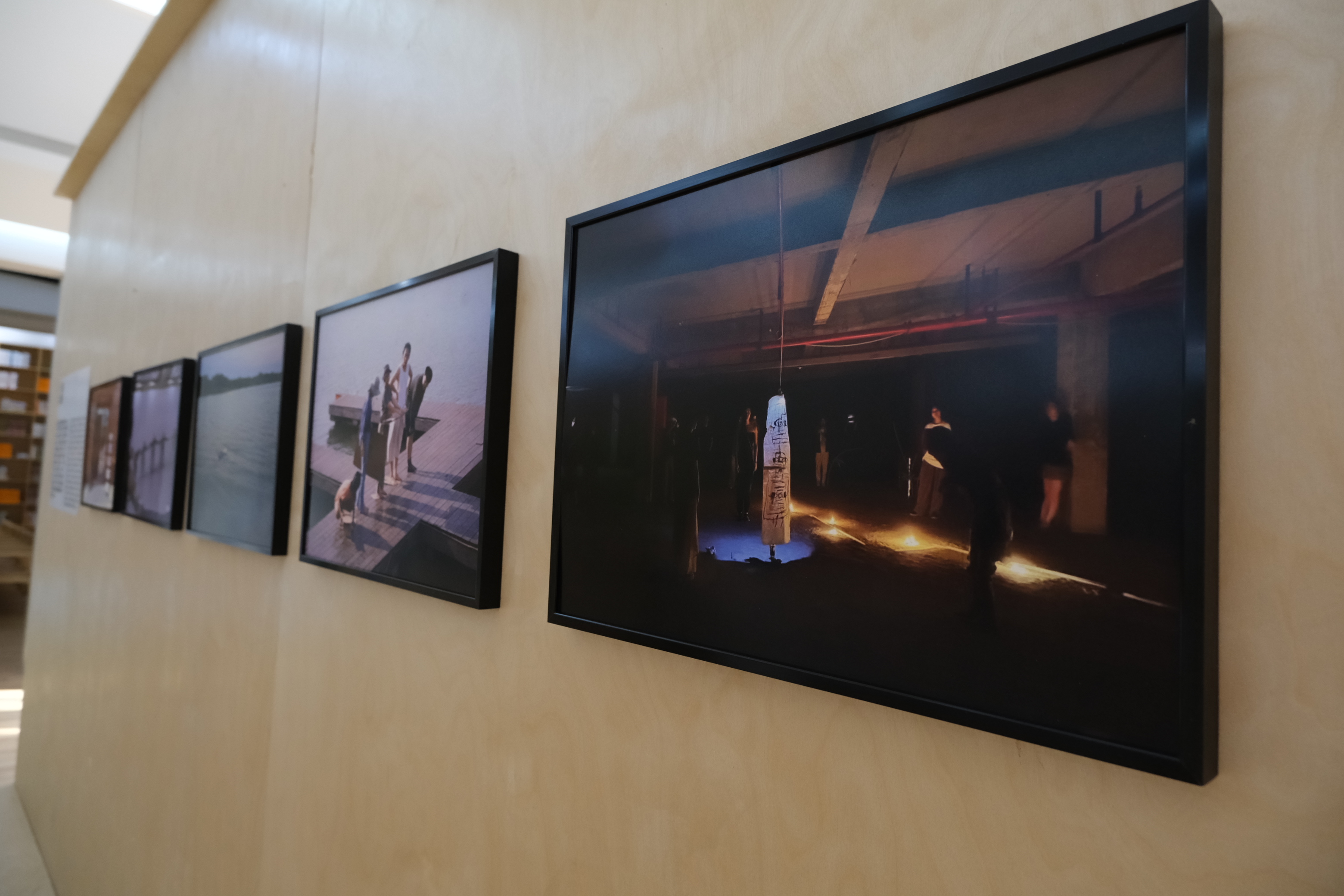
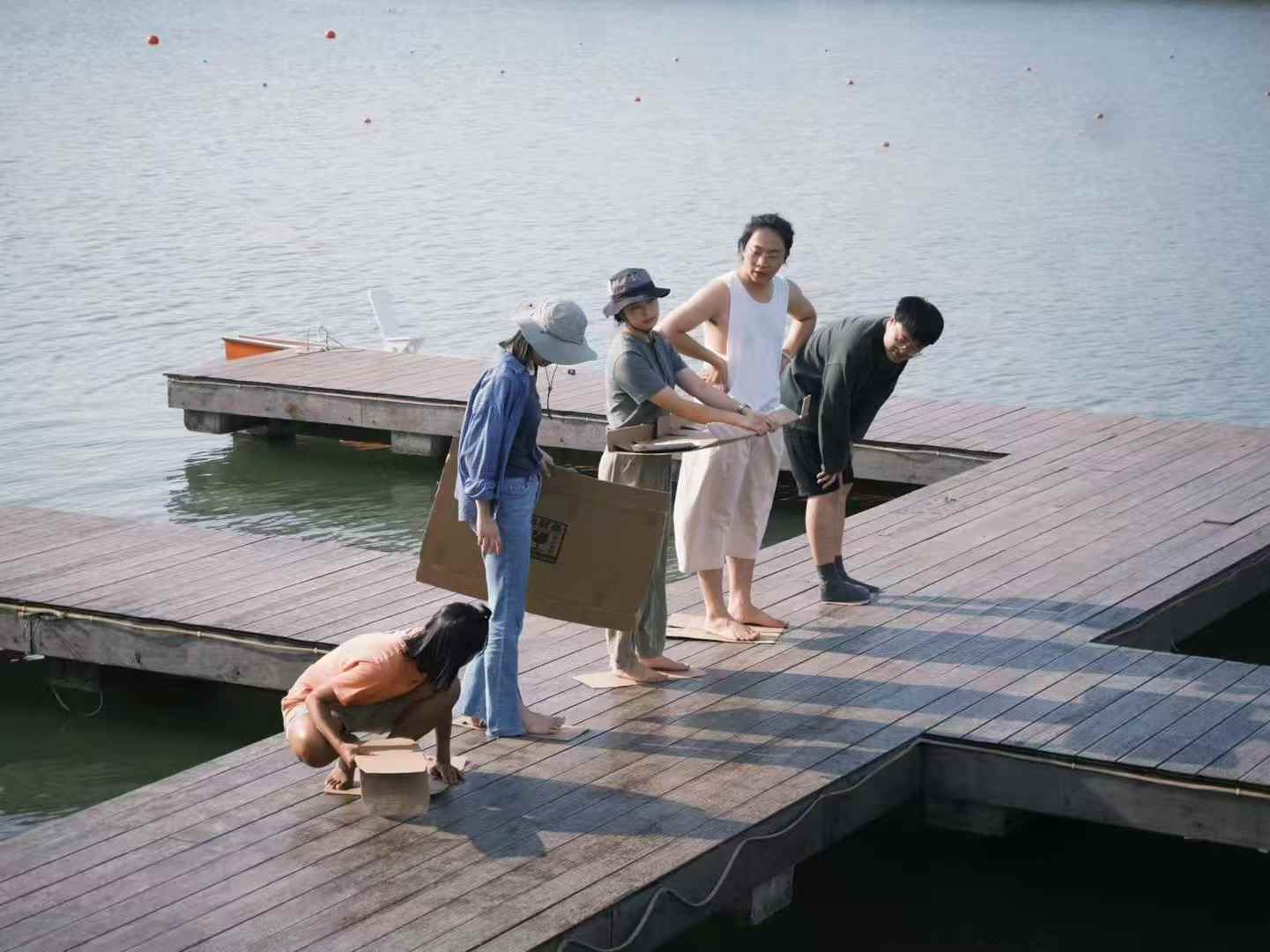
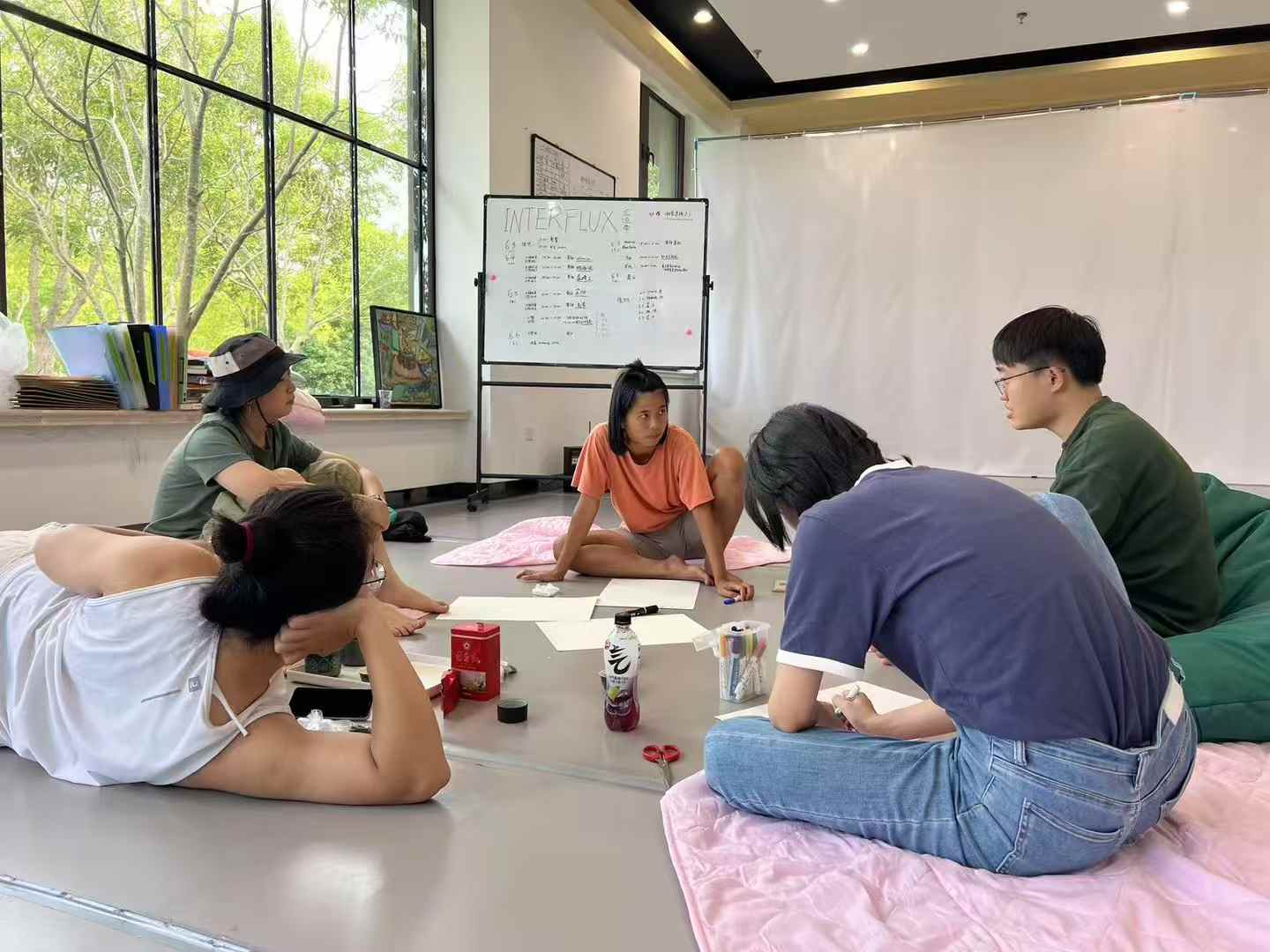
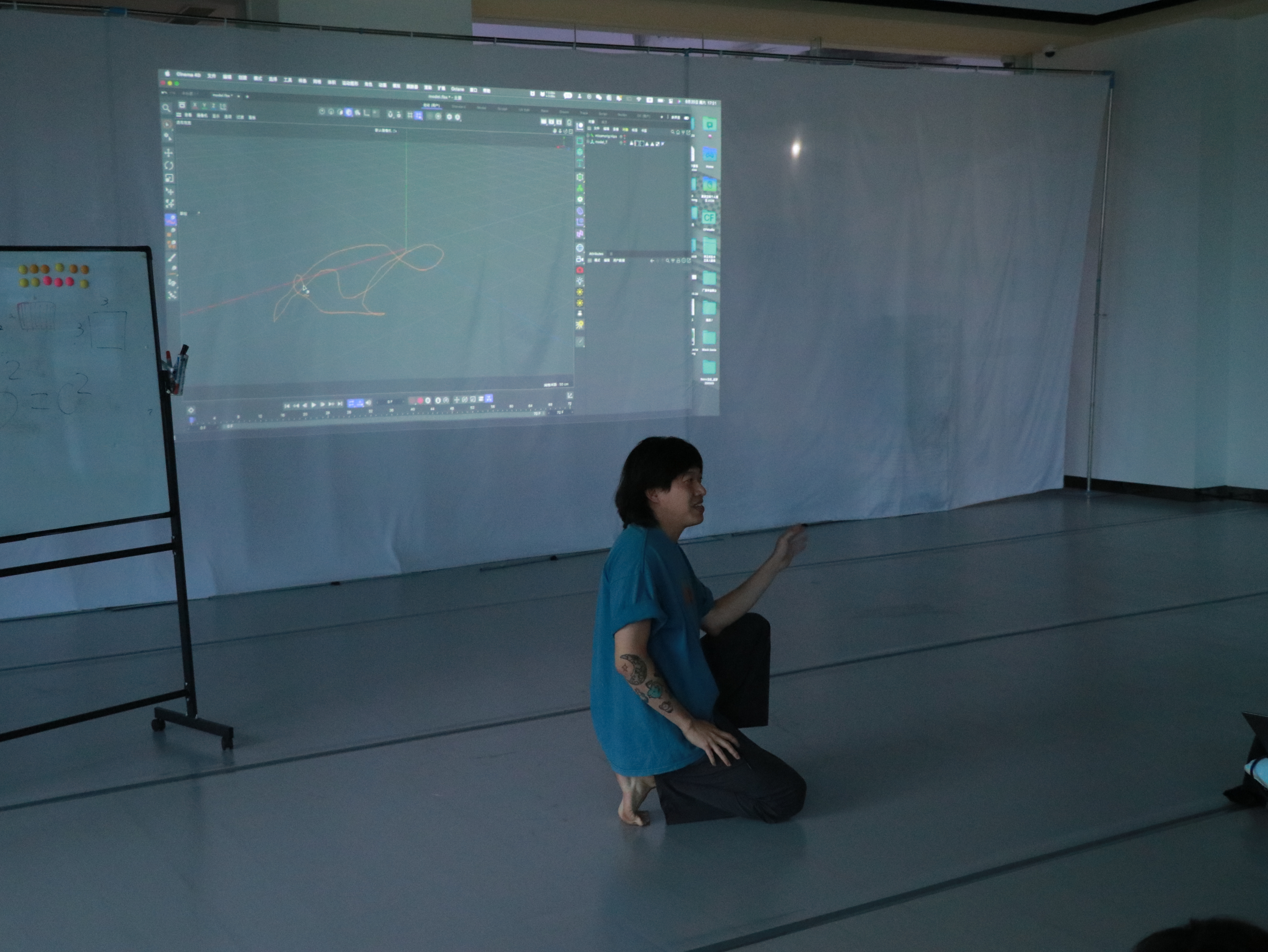
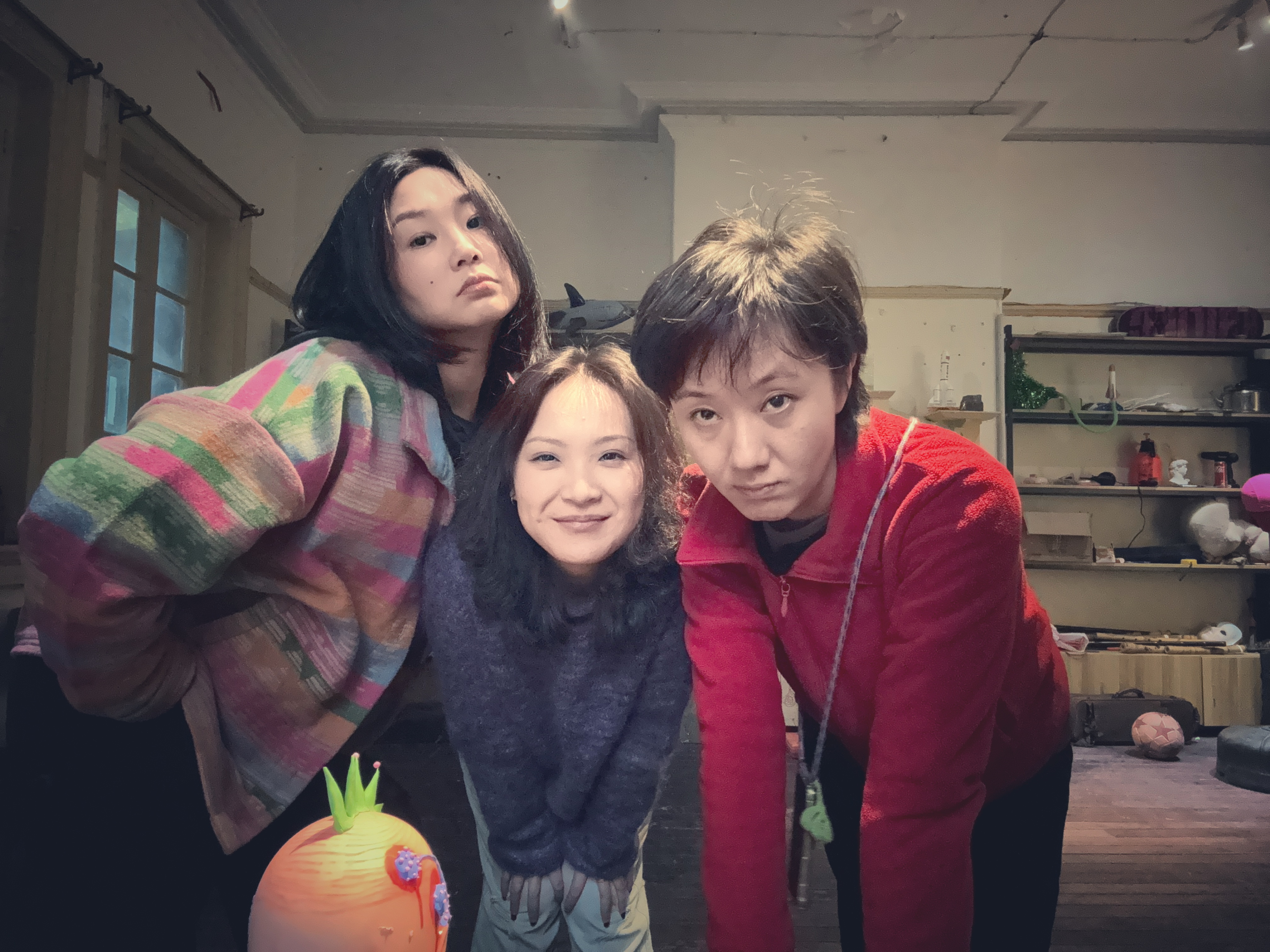
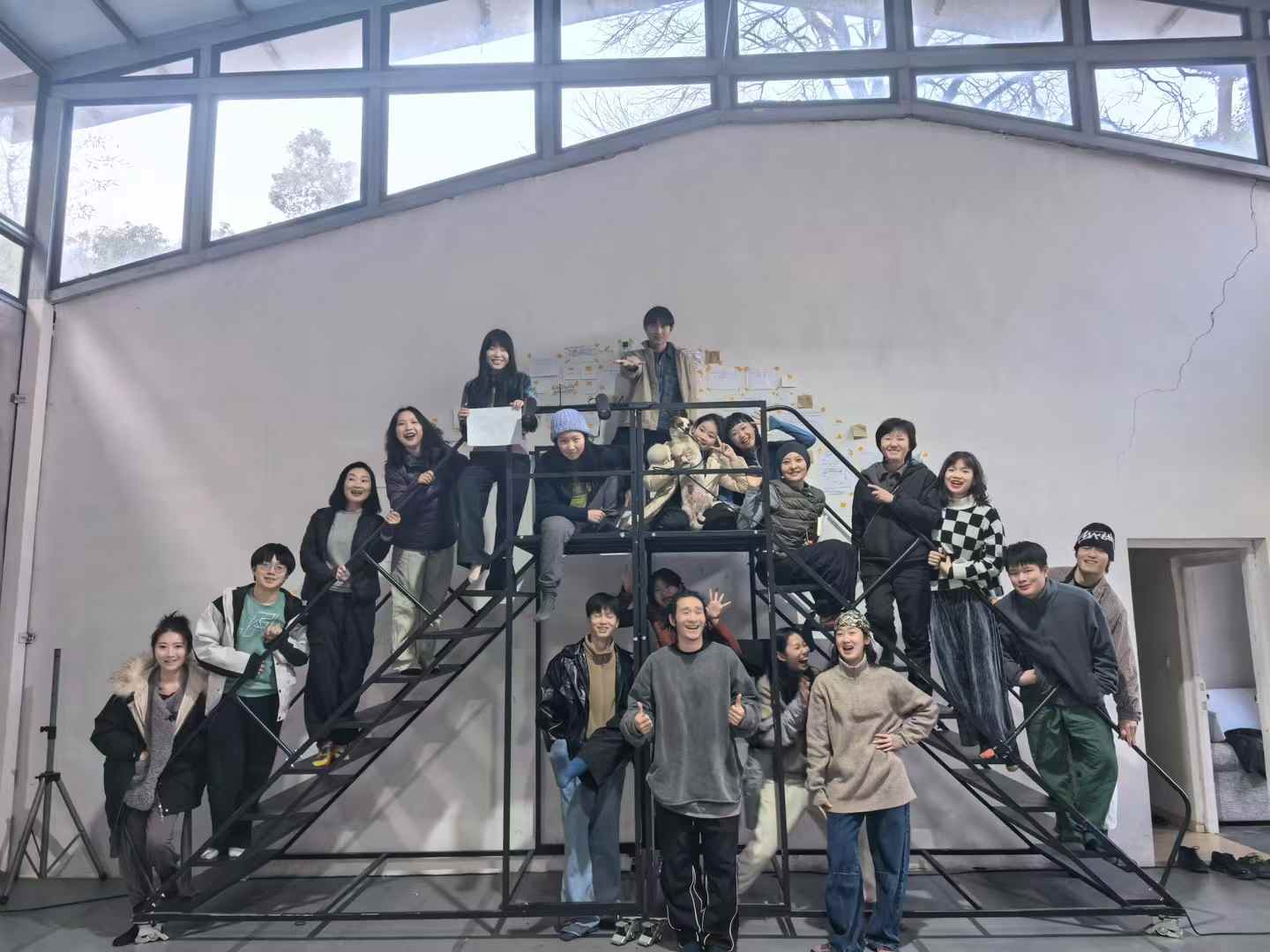
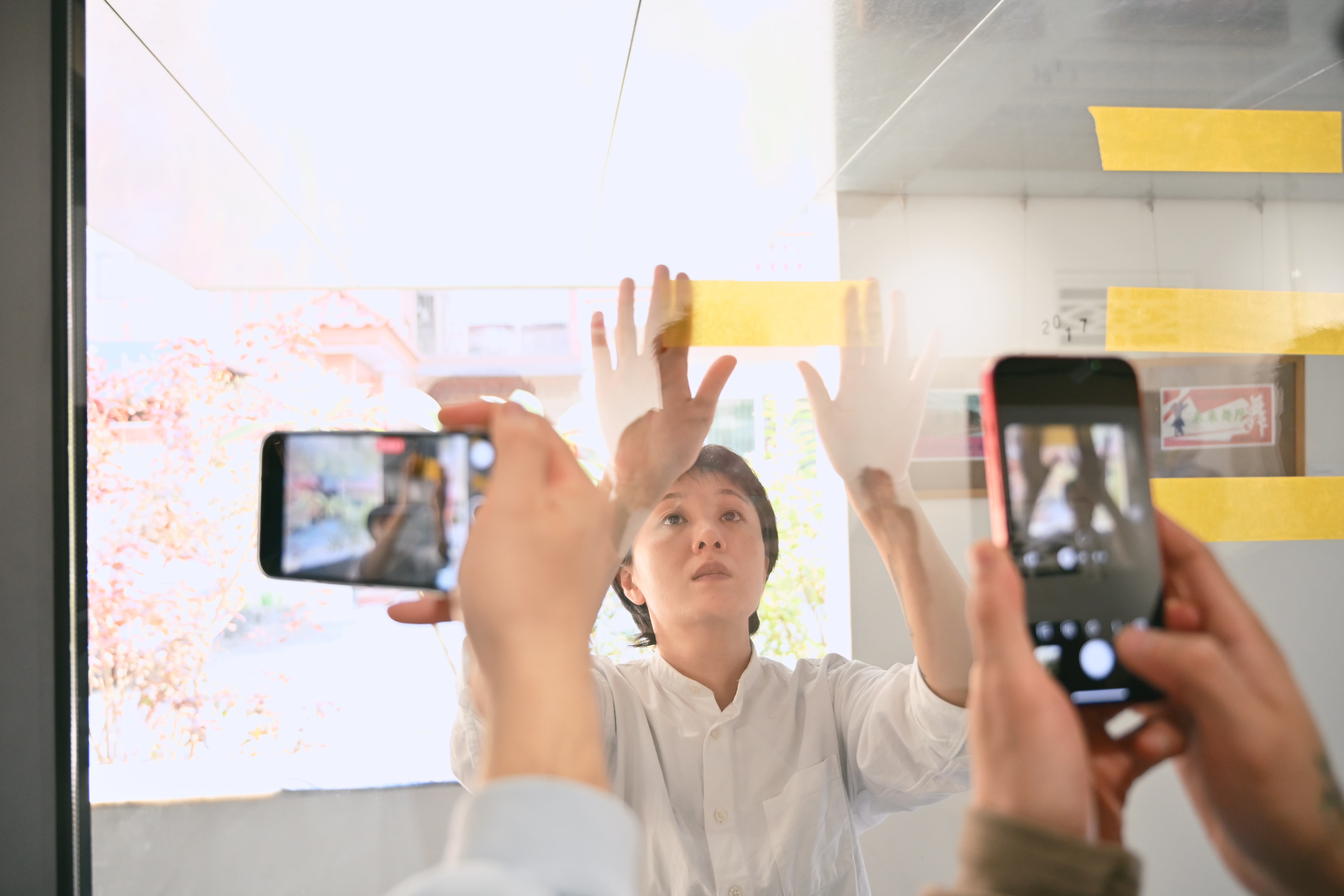
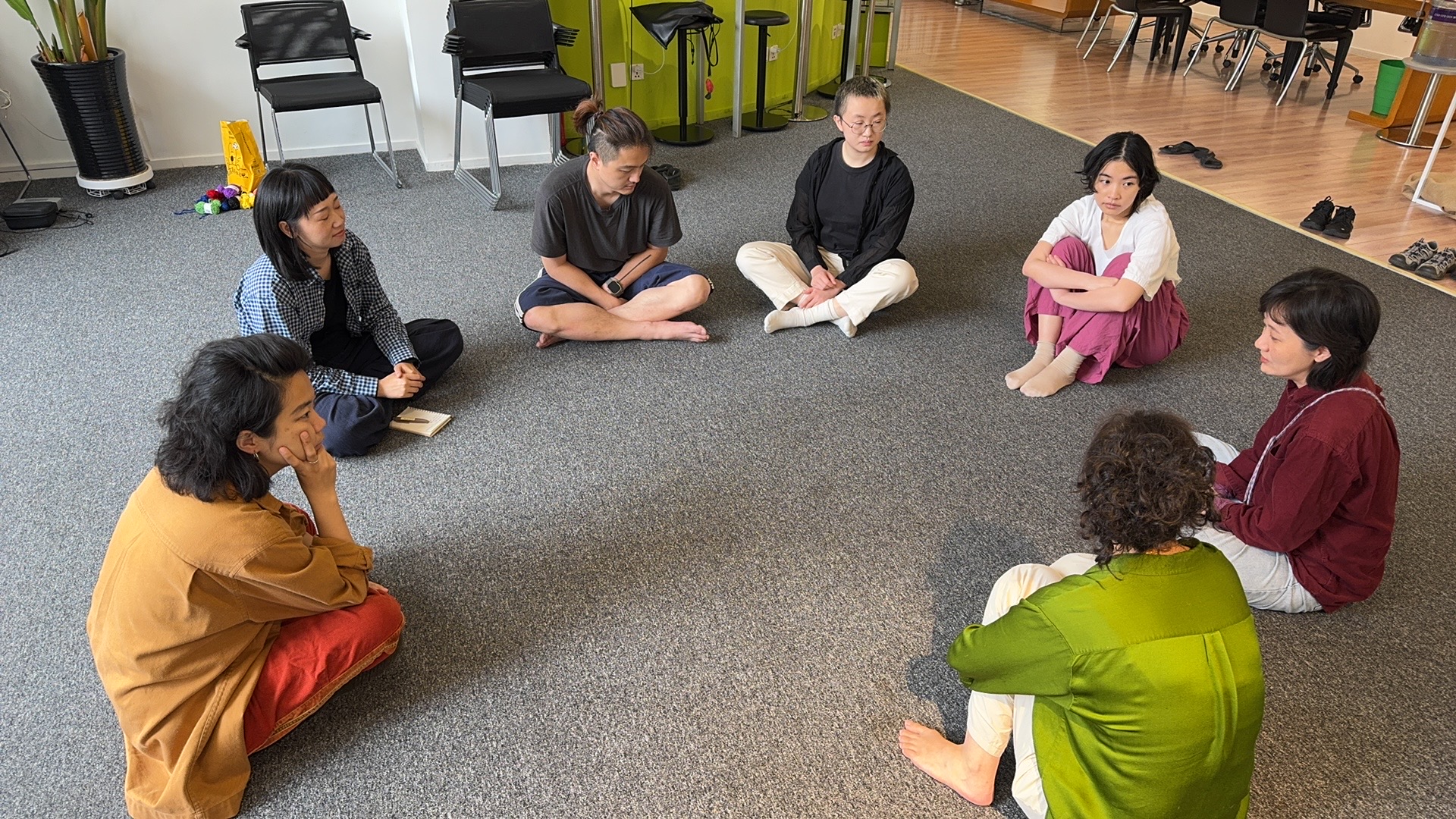
InterFlux is an interdisciplinary collaboration lab for emerging artists. Bringing together practitioners from diverse disciplines, methods, and backgrounds, InterFlux fosters a space for collaboration, experimentation, and mutual learning. Each edition of InterFlux is structured as a 2-day online + 5-day on-site creative laboratory, offering a hybrid format that cultivates process-based dialogue and co-creation. The lab welcomes artists from visual, performance, sound, moving-images, technology, and theory…to explore new possibilities at the intersections of disciplines and practices.
–
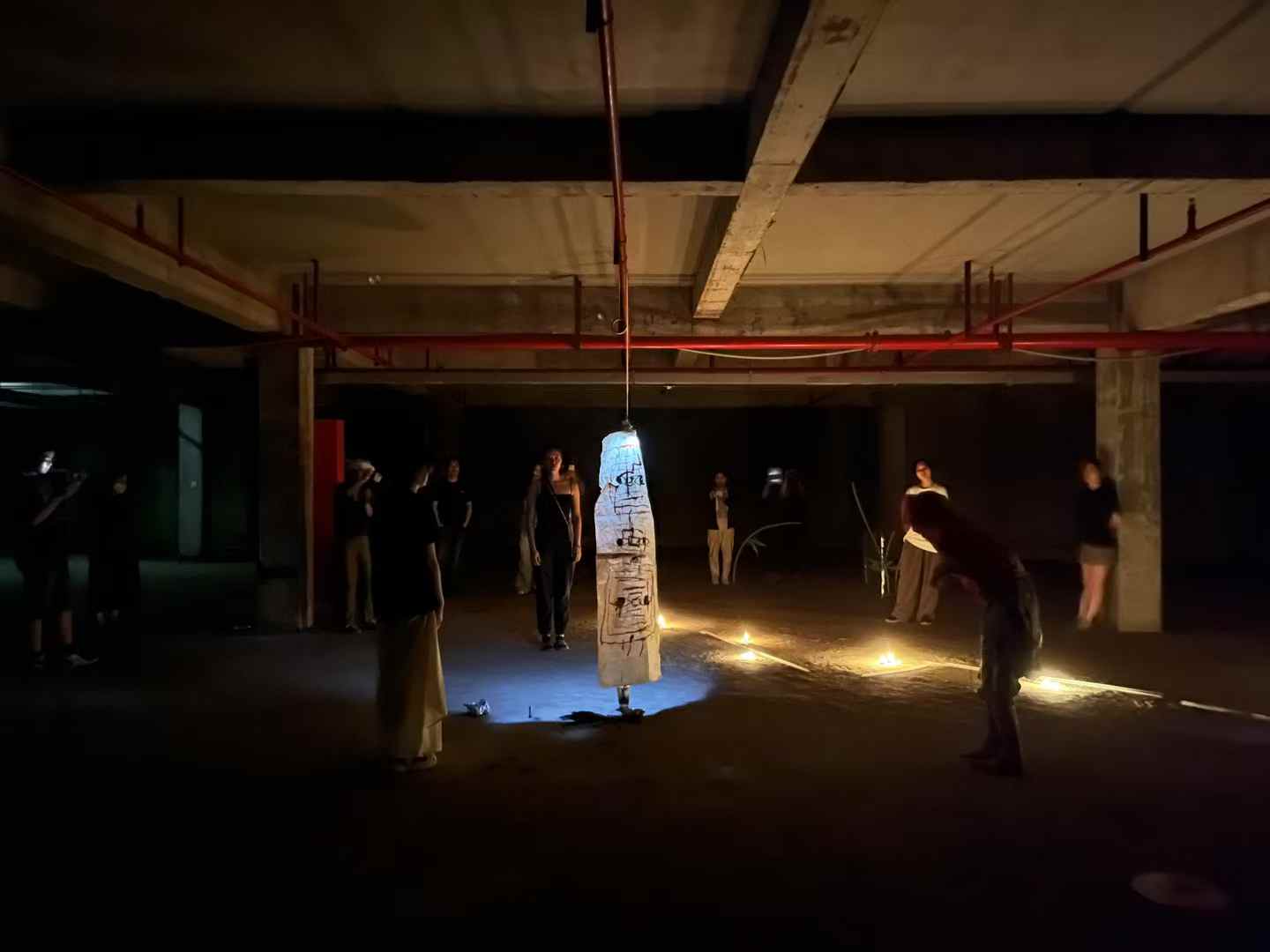
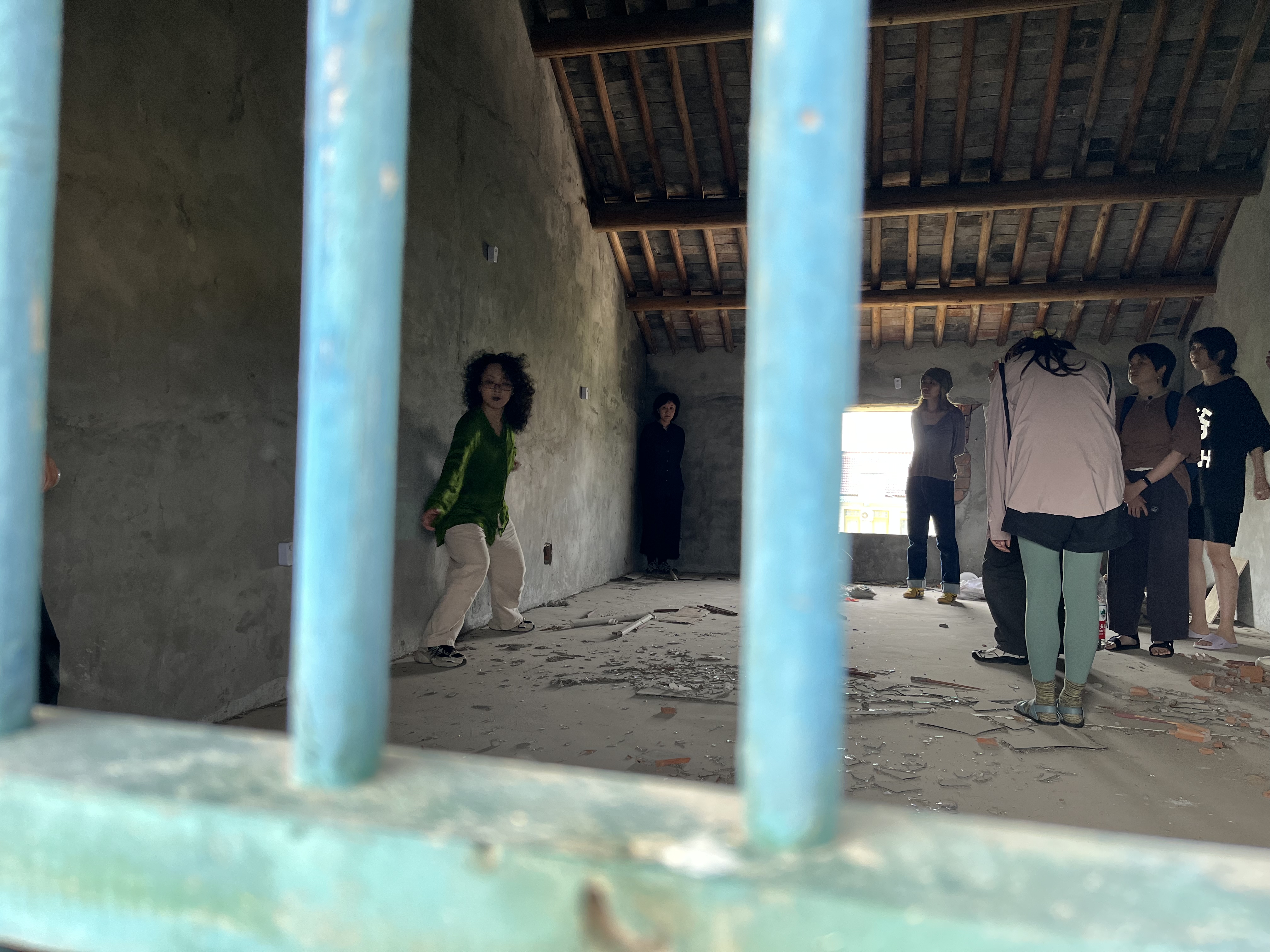
Performance and Research Project by Multi D working group
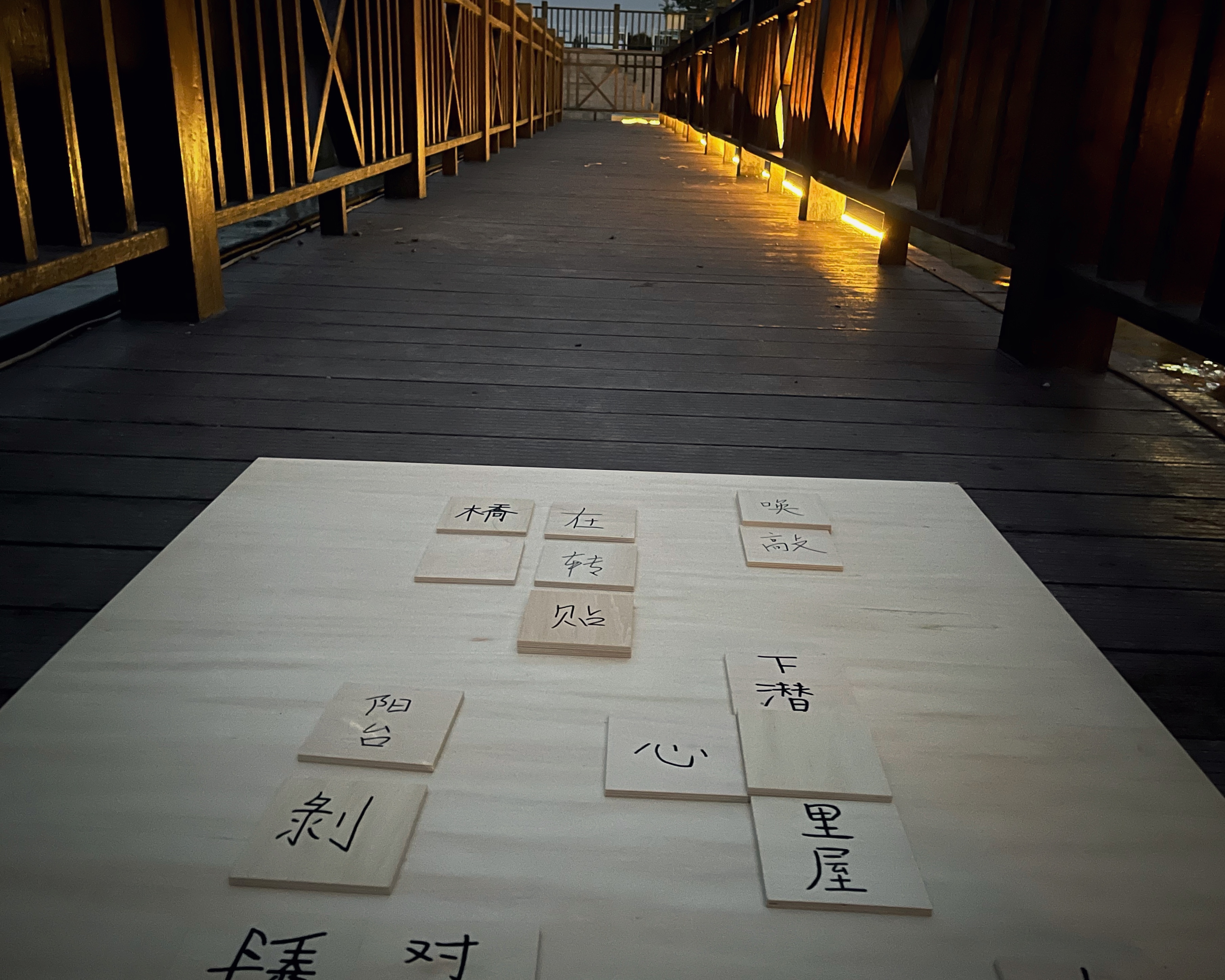
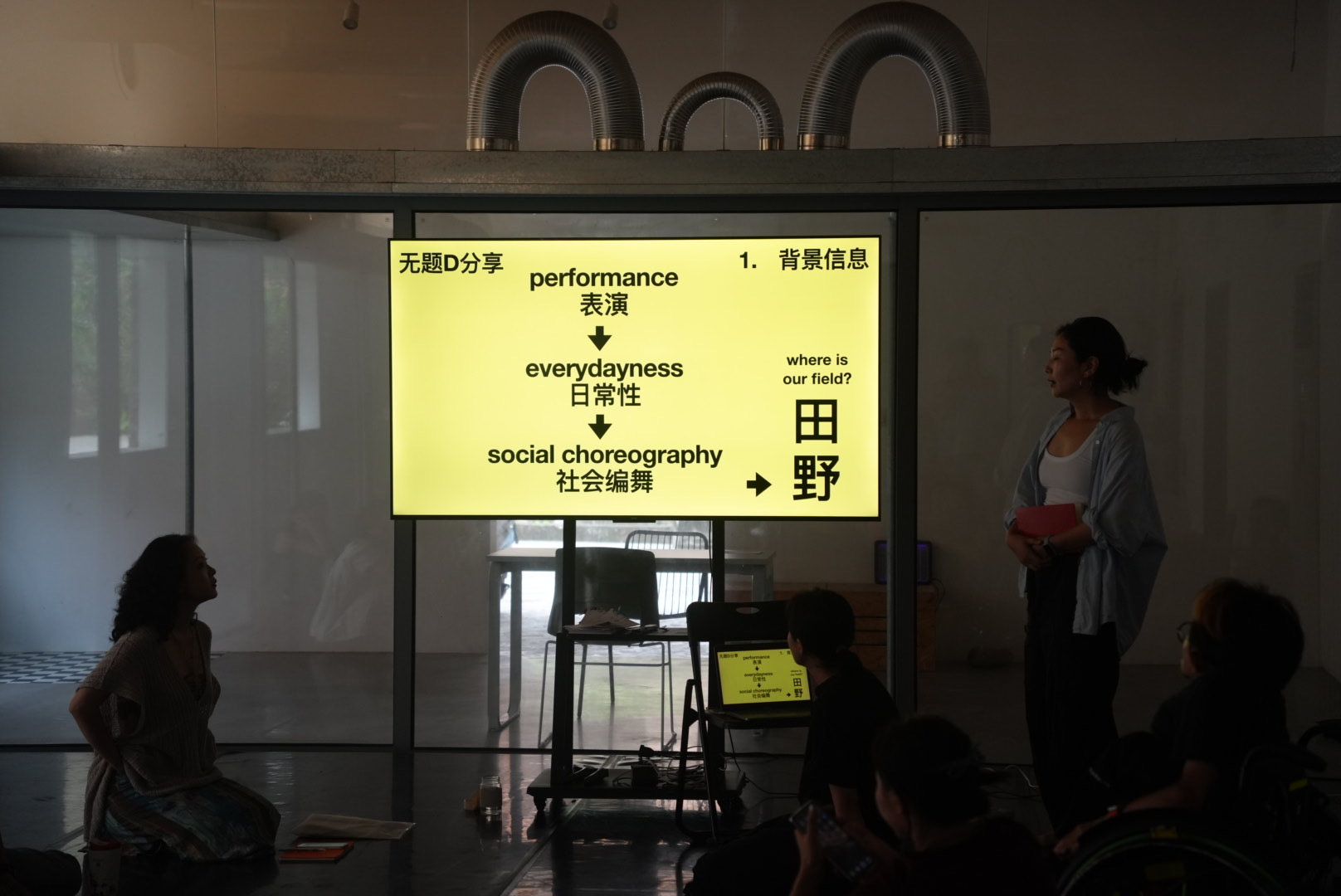
Notakinesis (谱写计划) is a performance and research project initiated that explores the intersection of text and movement, writing and dancing, structure and improvisation. The name Notakinesis draws from nota (notation) and kinesis (movement), referencing our ongoing inquiry into how bodies are choreographed by social scripts, and how they resist, disrupt, or reconfigure those very inscriptions. How systems of notation shape, constrain, and erase embodied experience, and how movement and identity are inscribed, regulated, and reimagined within sociopolitical structures.
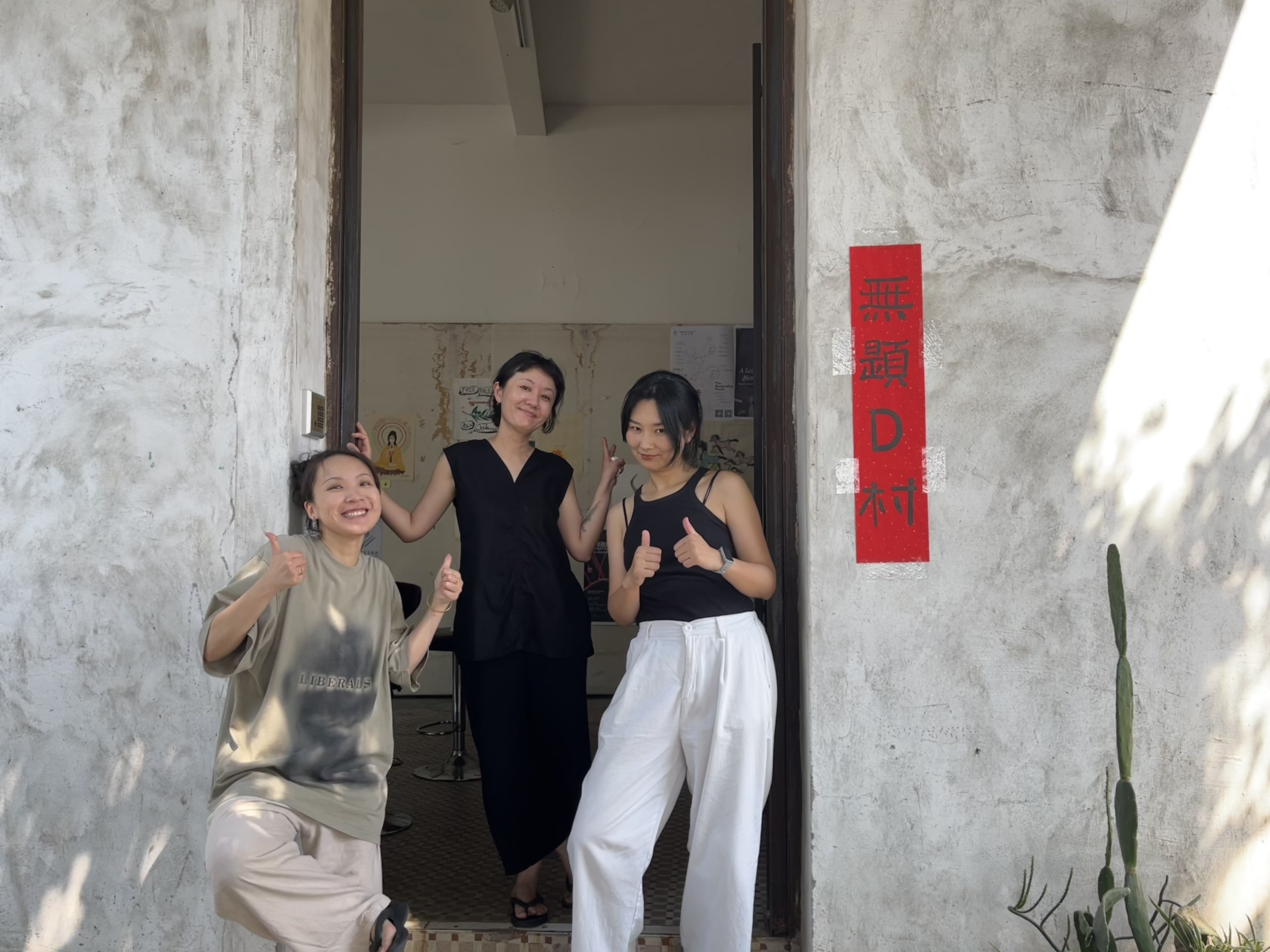
Multi D working group (無題D實踐所) is a collective formed by Huang Suhuai, Liu Xiao, and Wang Yunke, artists and researchers working at the intersection of visual arts, performance, dance, and theatre. In 2024, they launched the Notakinesis Project—an ongoing exploration of cross- media performance developed through workshops, residencies, and experimental showcases.
–
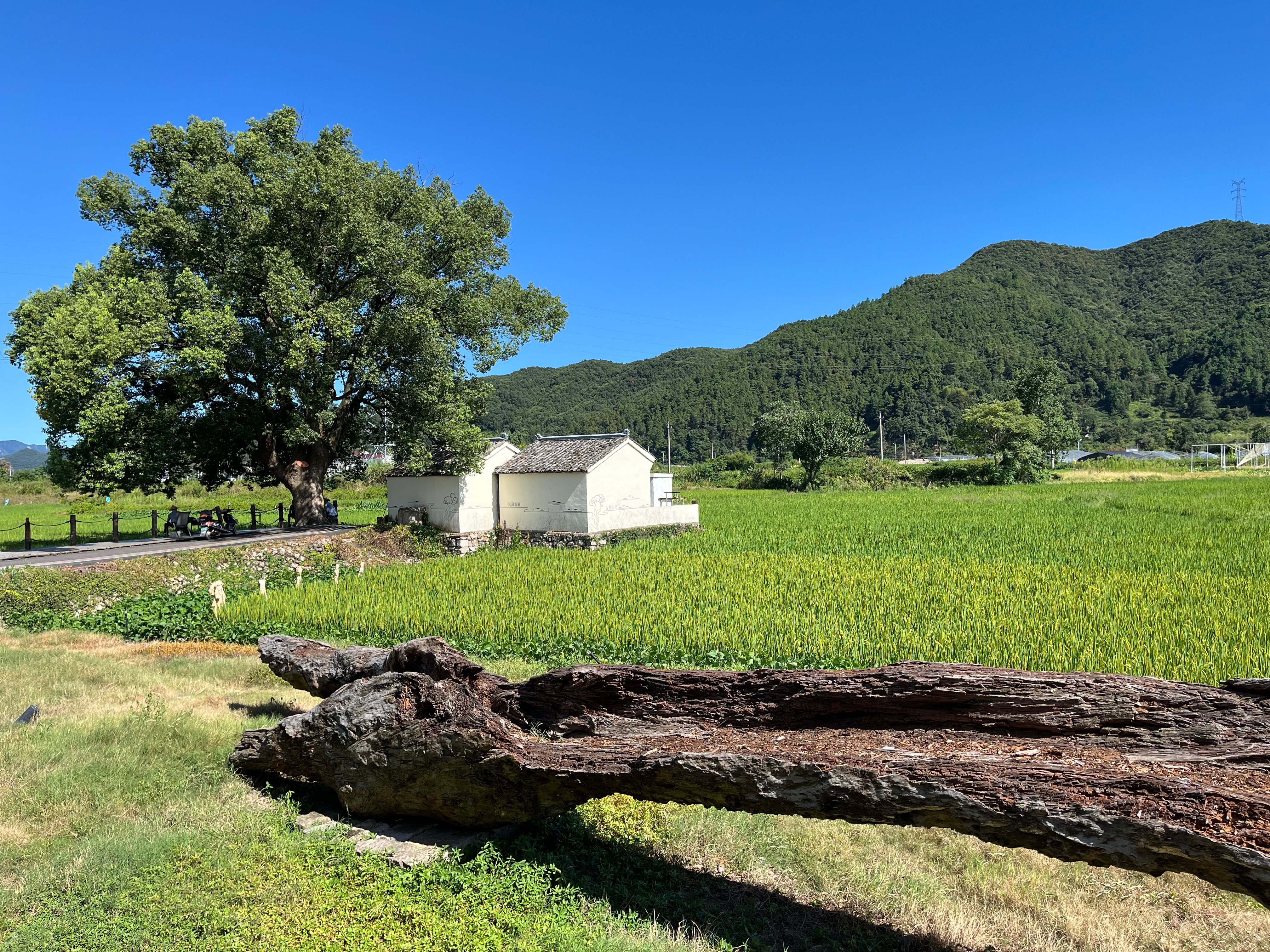
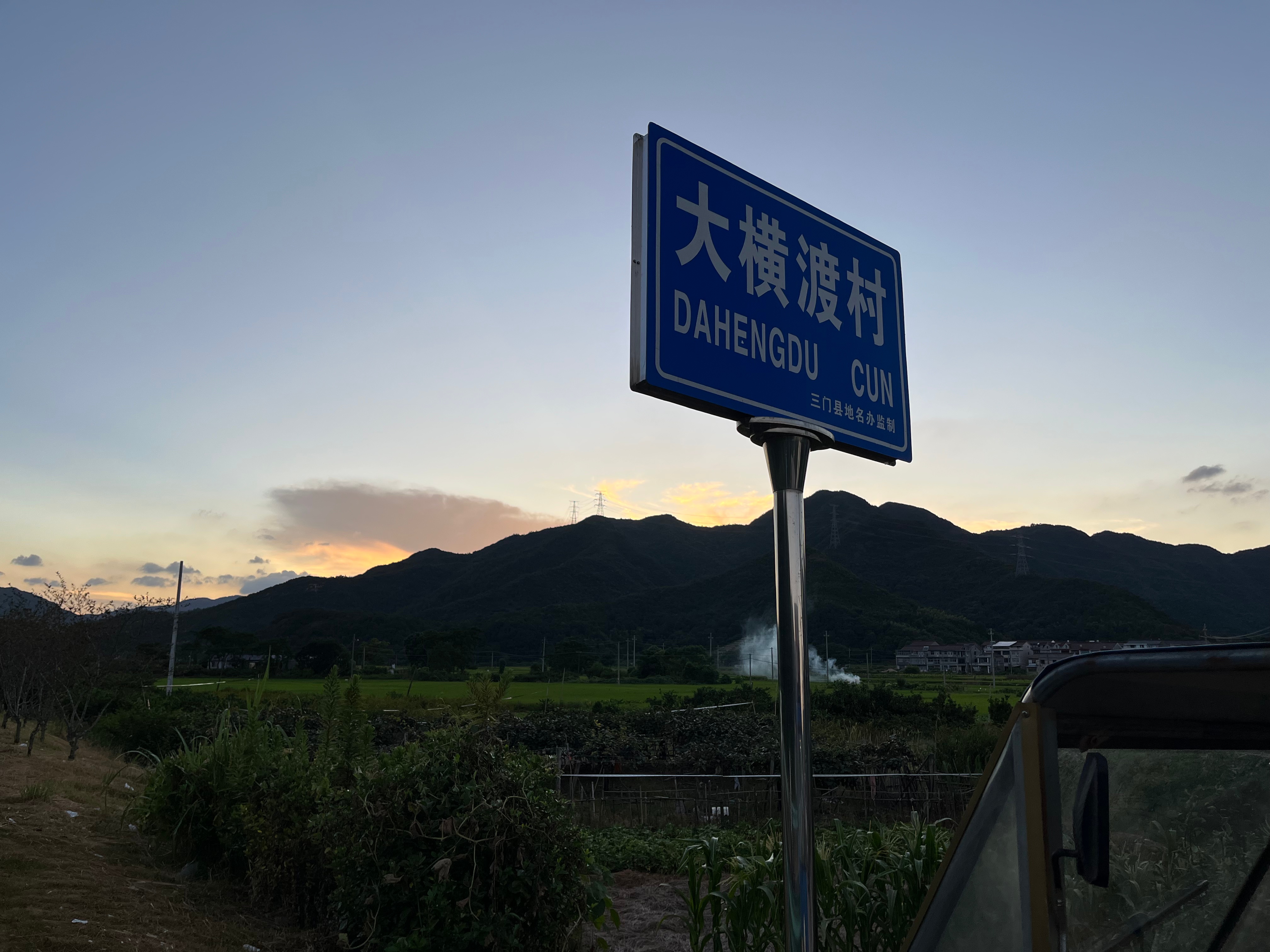
Residency + Exhibition,Hengdu Art Museum,2025
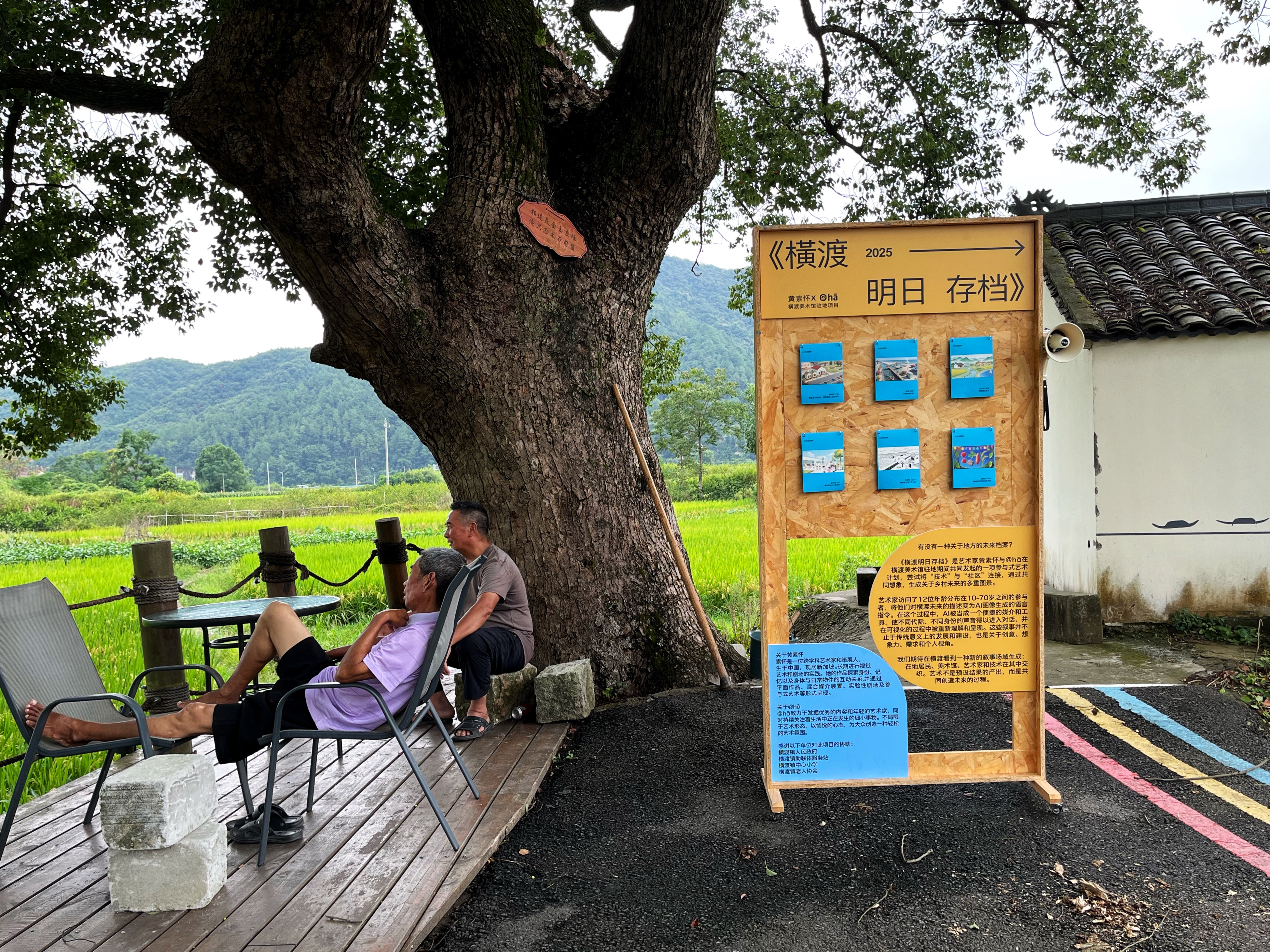
What would an archive of the future of a place look like?
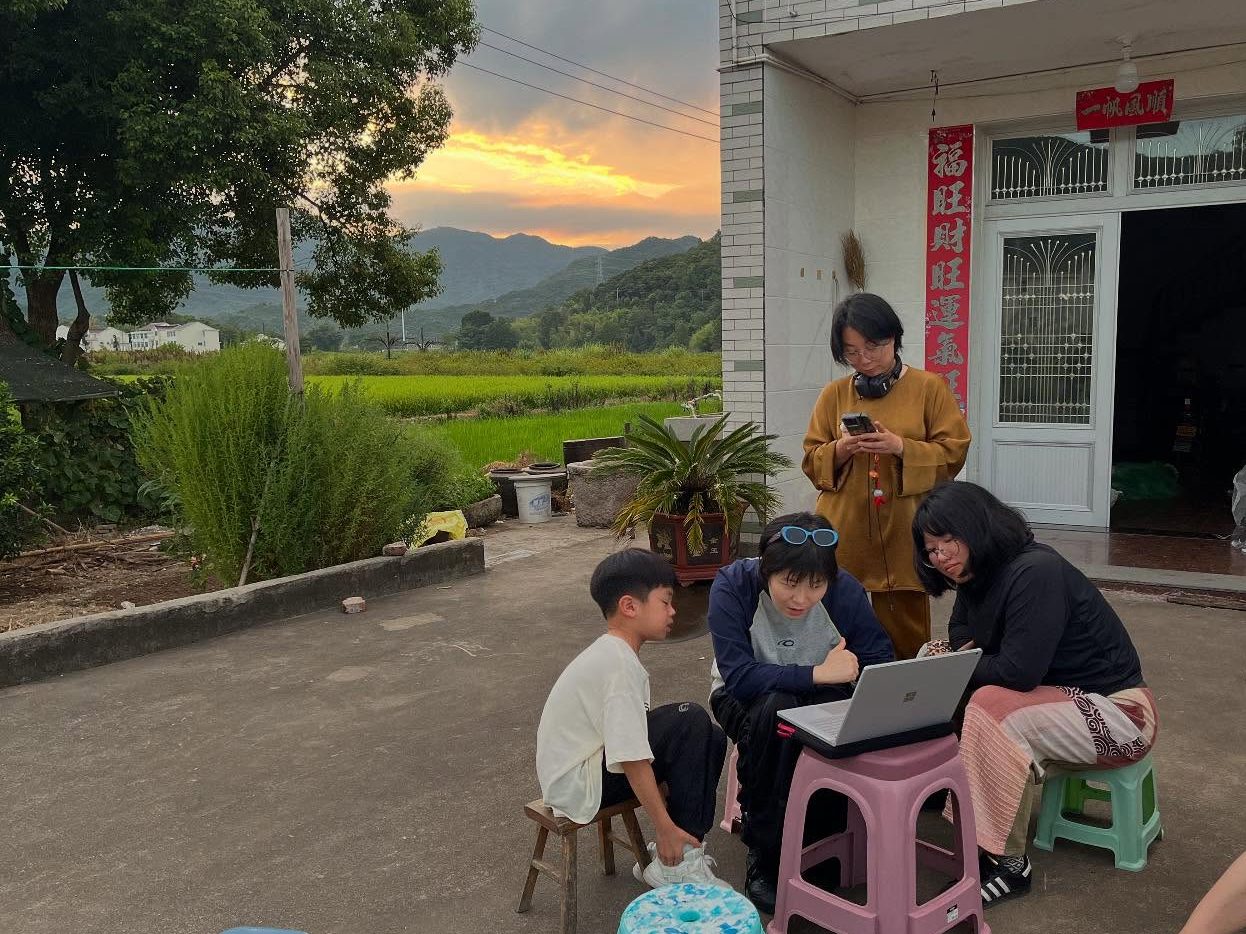
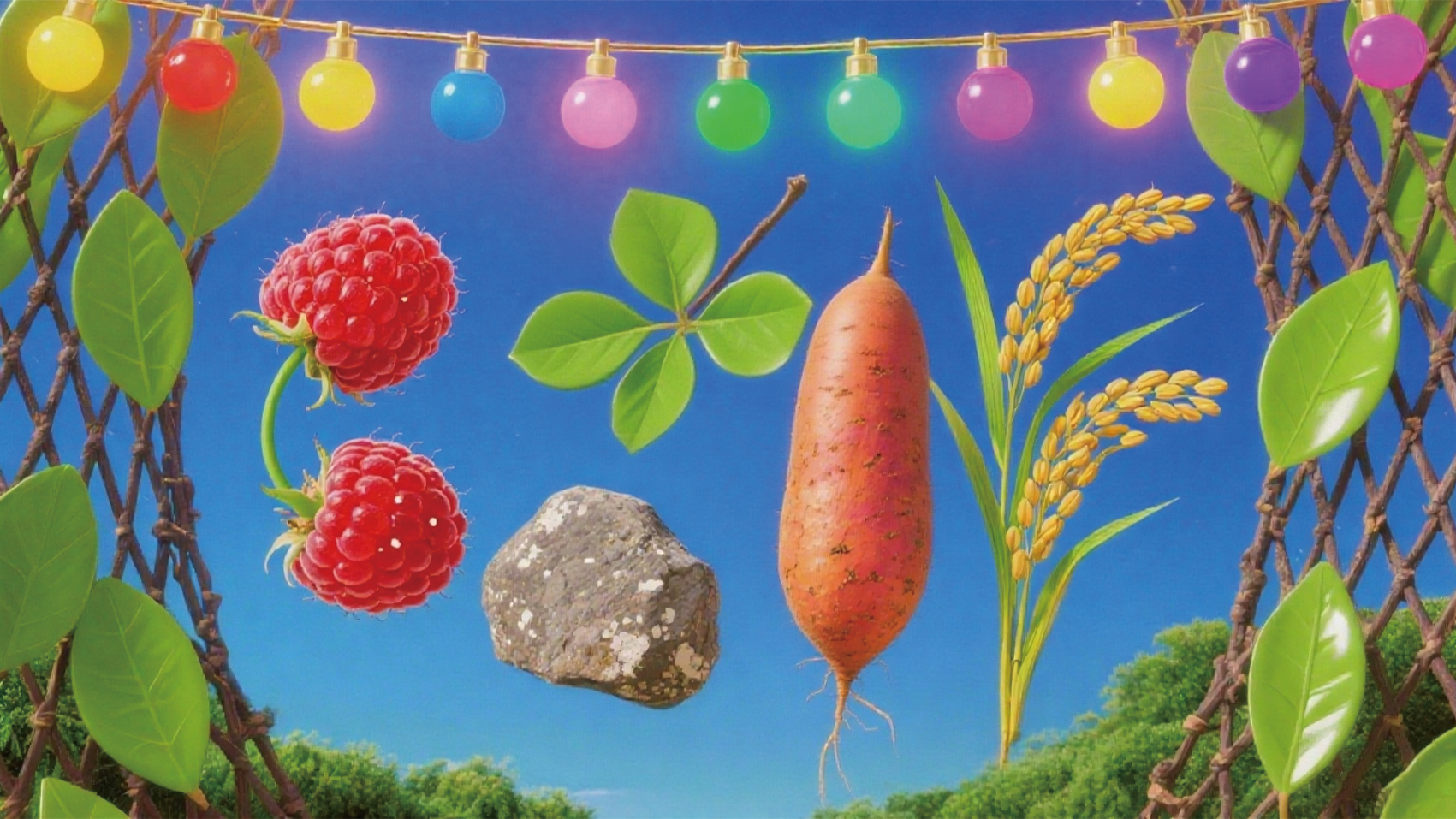
“Hengdu: Archive of the Future” (横渡明日存档)is a participatory art project initiated by artist Huang Suhuai and hā during their residency at Hengdu Art Museum. The project connects “technology” and “community” by transforming villagers’ visions of the future into AI-generated images. Over 12 participants, aged 10 to 70, described their imagined Hengdu, which was translated into prompts for AI.
–
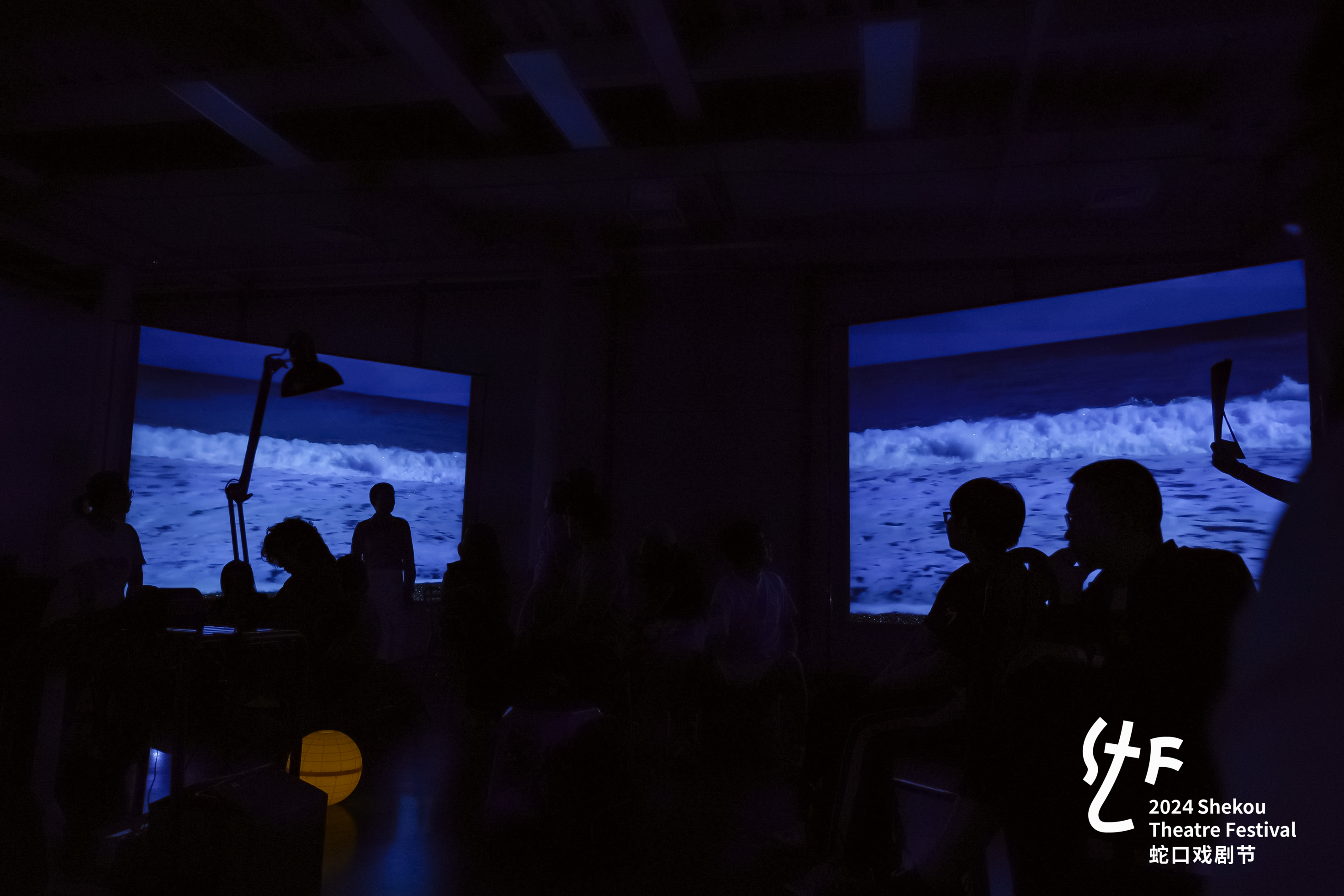
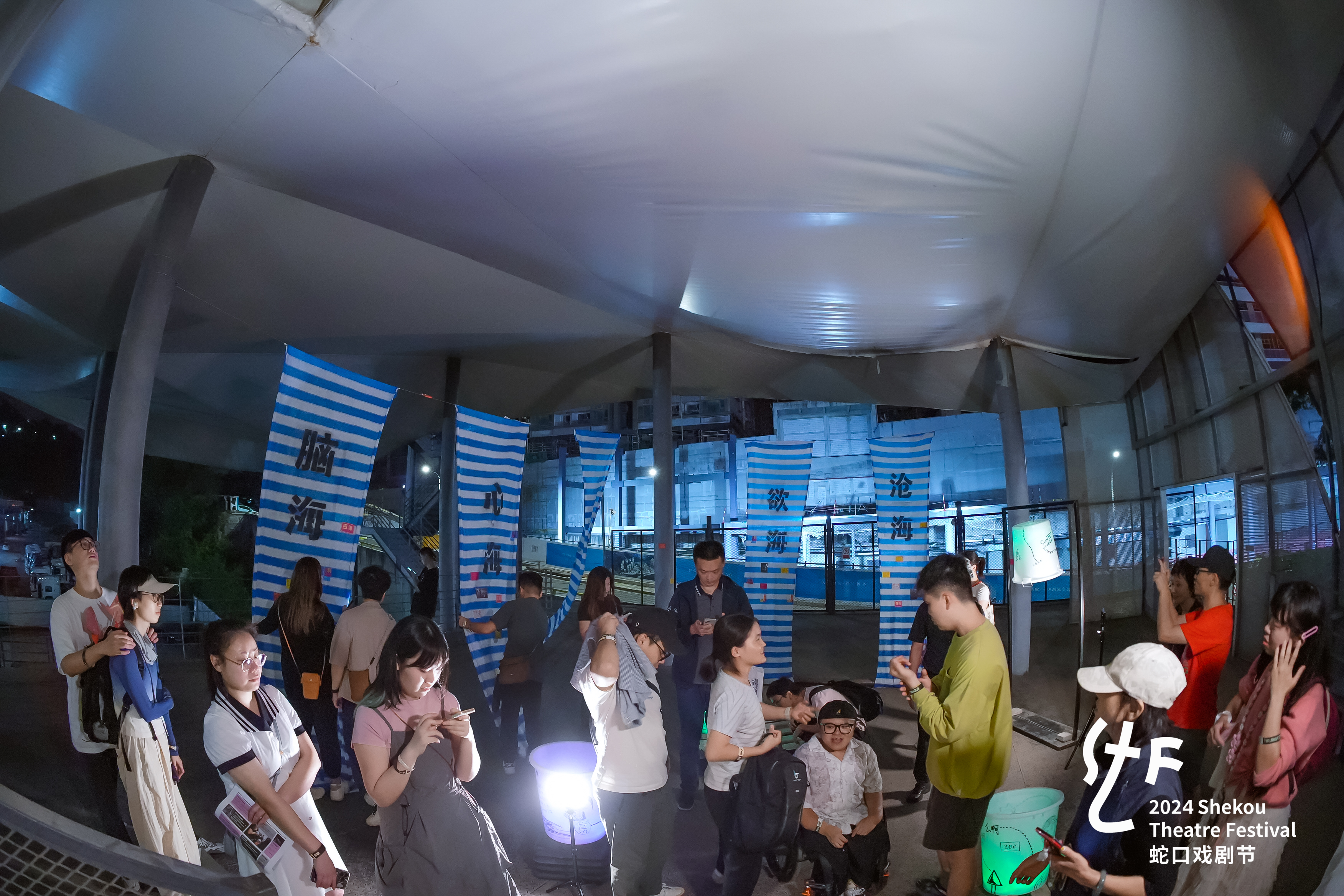
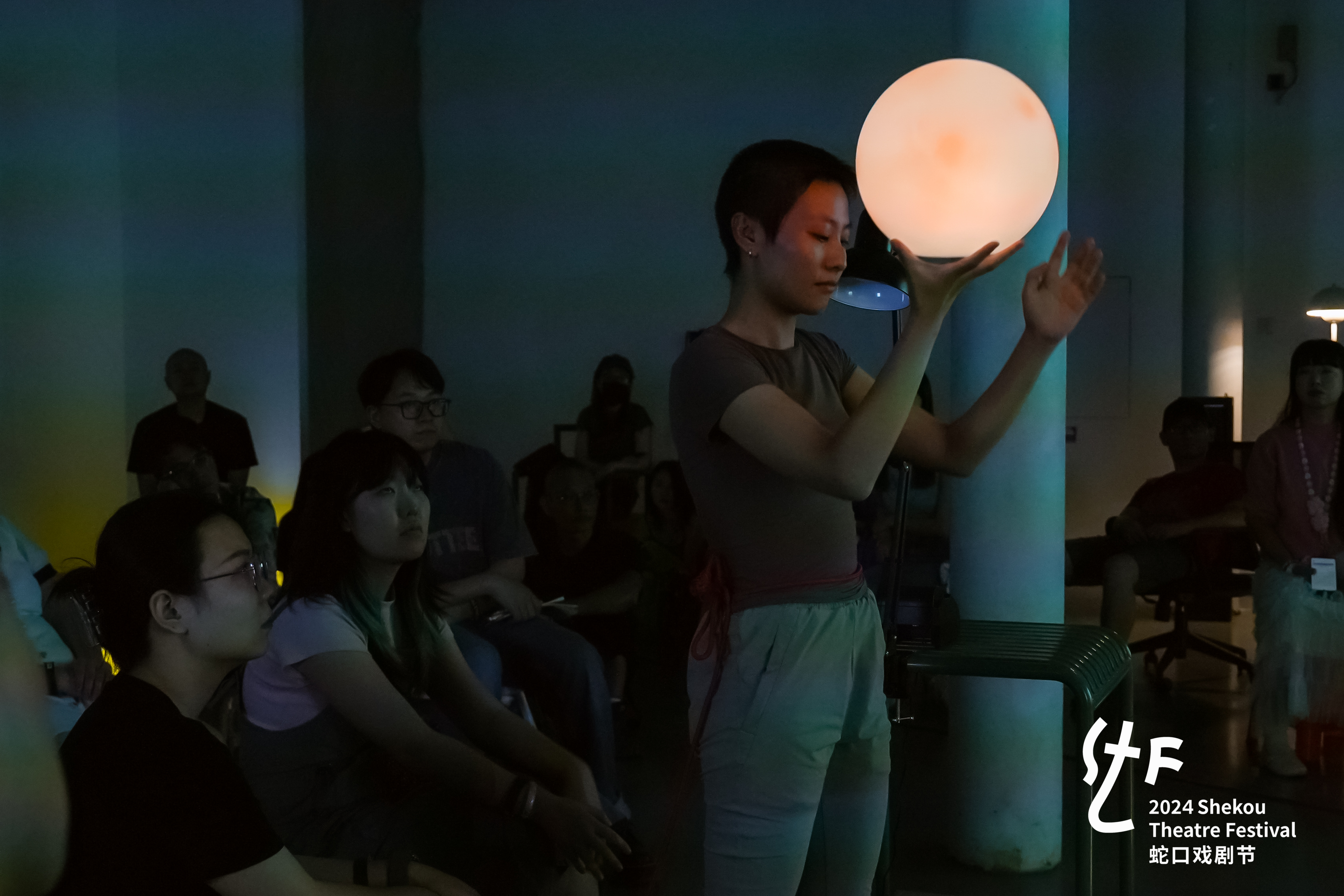
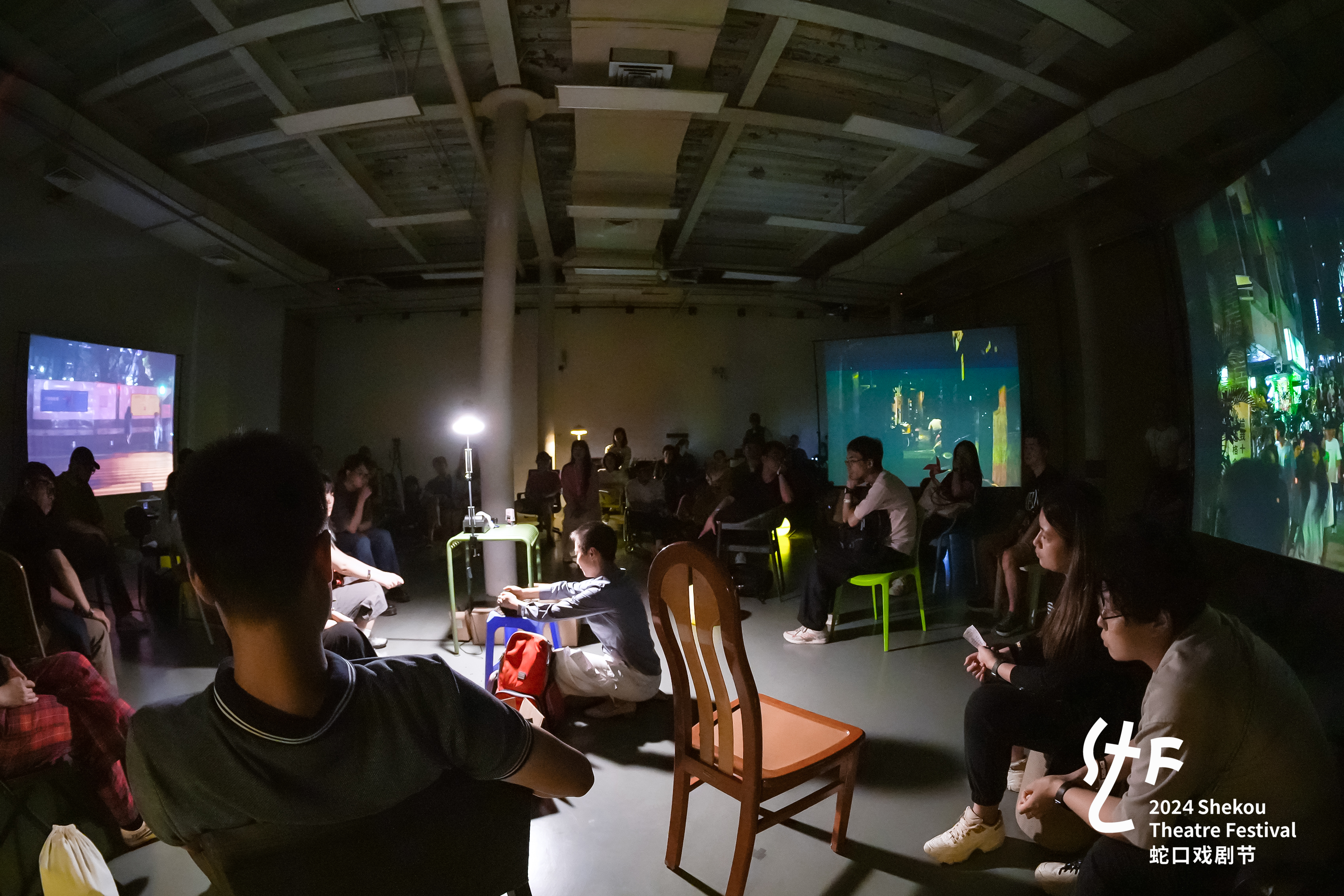
Shekou Theatre Festival, 2024
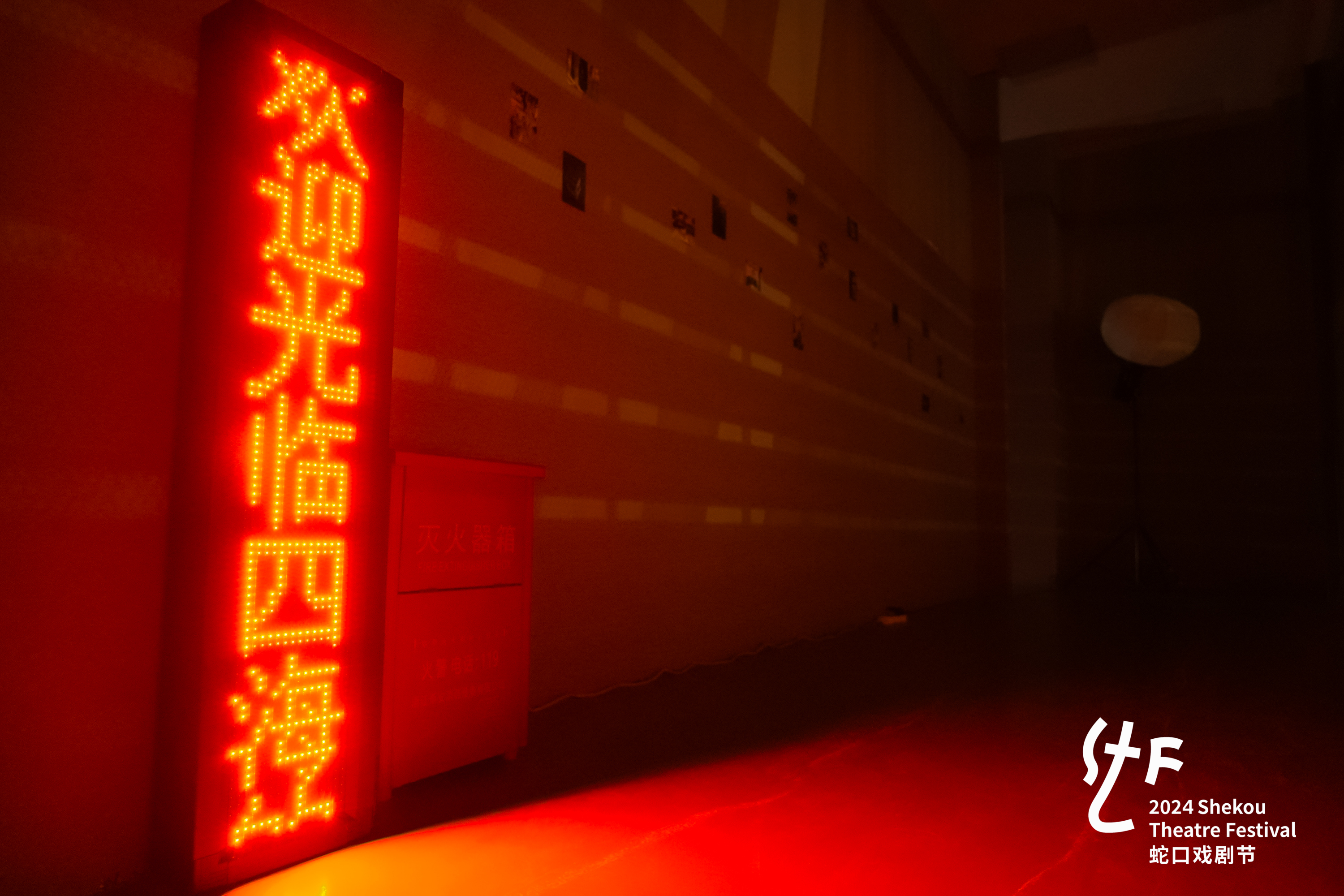
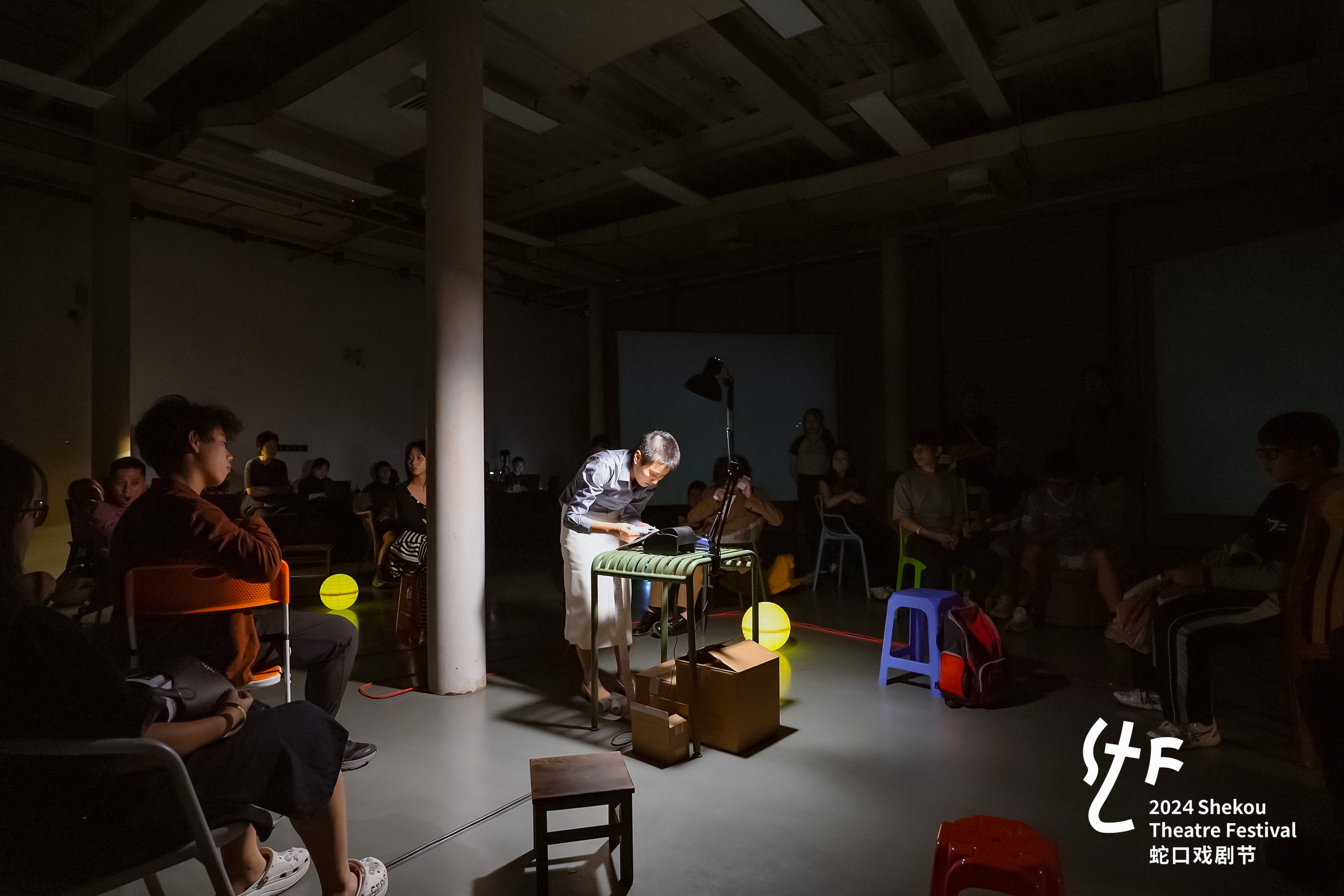
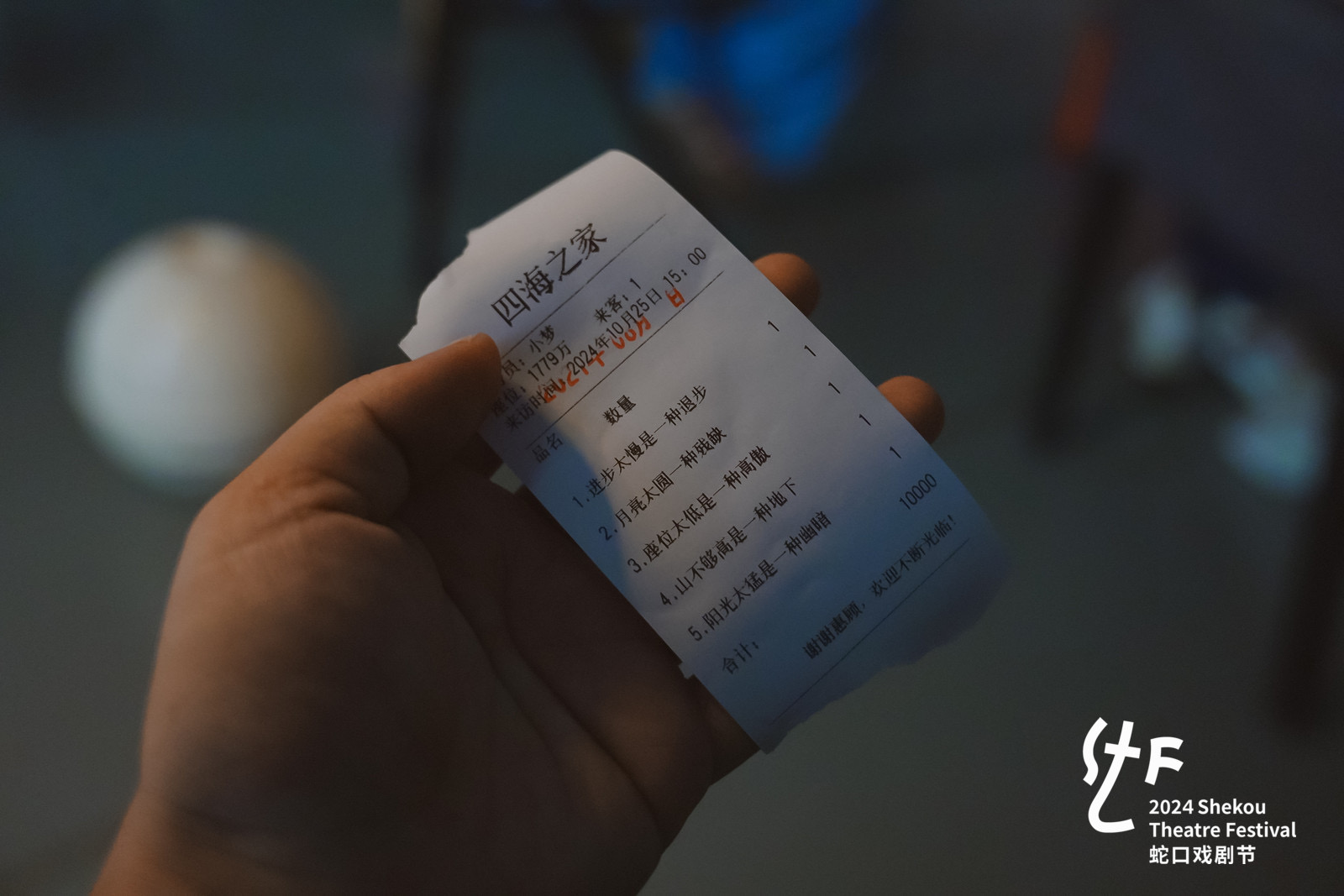
Seahigh is a meditation on cities and a requiem for youth – a dialogue that transcends time and space.In 2014, after penning over 200 poems, Xu Lizhi, a 24-year-old assembly line worker, ended his life. His final post, “A new day.” was left behind for the world he departed. In this new day, young people from all corners of the country continue to flock to the city, full of ambition and vitality. The urban villages remain as distant from the city center as ever. The moon still never passes through the iron bars of the burglar-proof windows. A screw falling to the ground still goes unnoticed.In 2024, Director Huang Suhuai, in collaboration with 5 other contemporary artists. Together, they employ a range of media-text, body, scent, sound, and imagery -to create an immersive, multi- sensory experience within the iconic industrial sites in Shenzhen.
–
Residency Program:
Ergao Creative Lab Support by HE Foundation
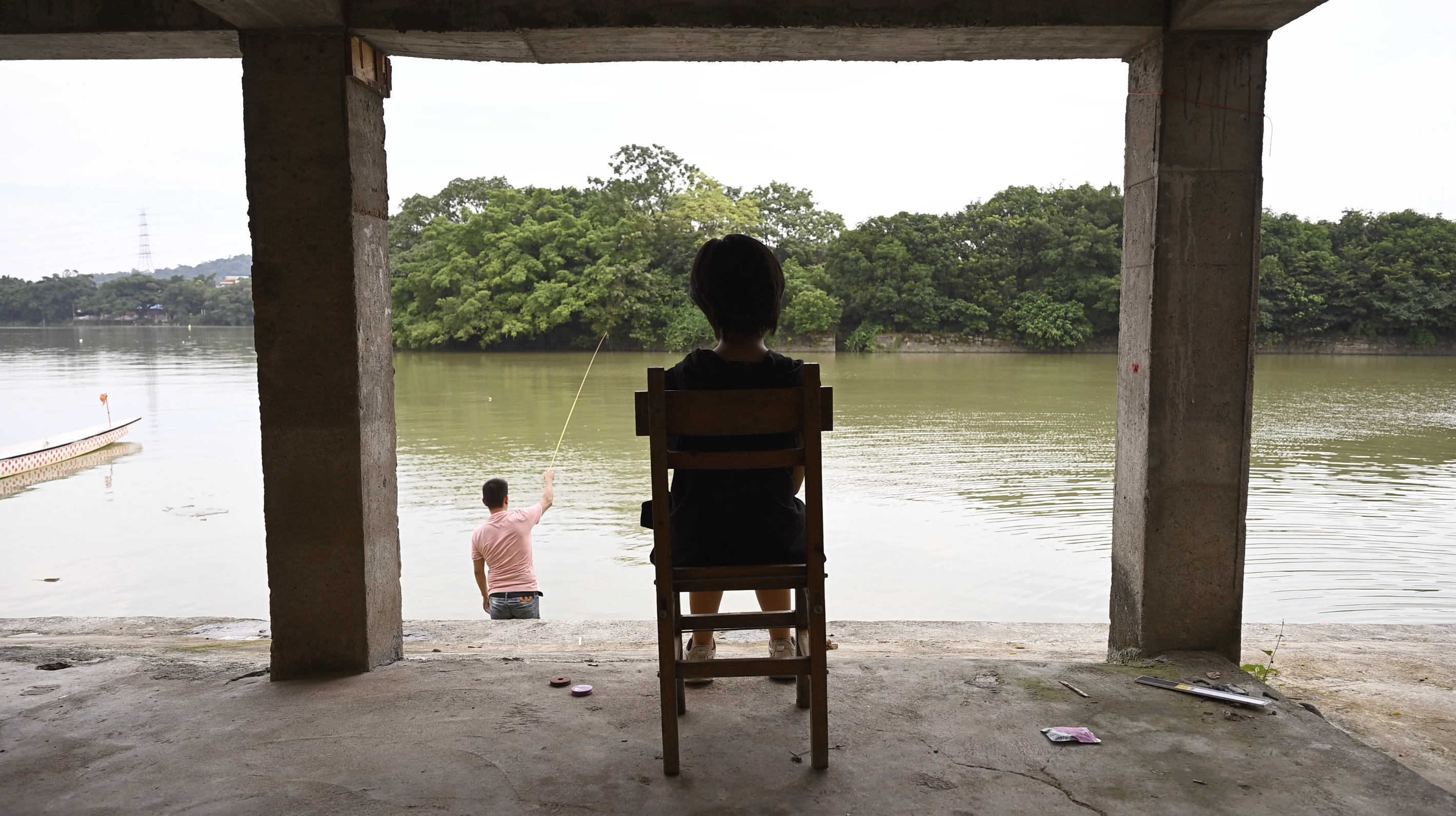
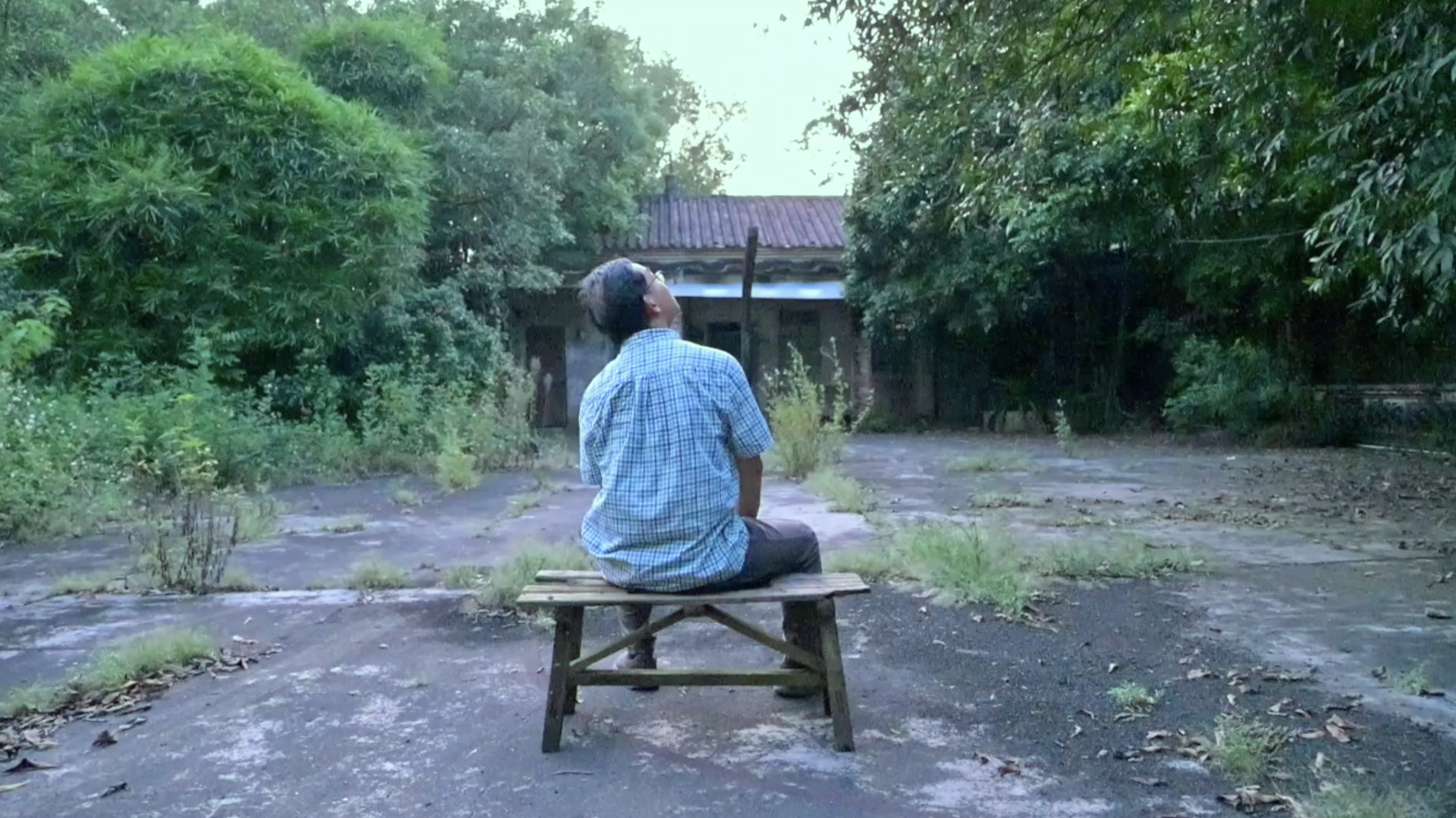
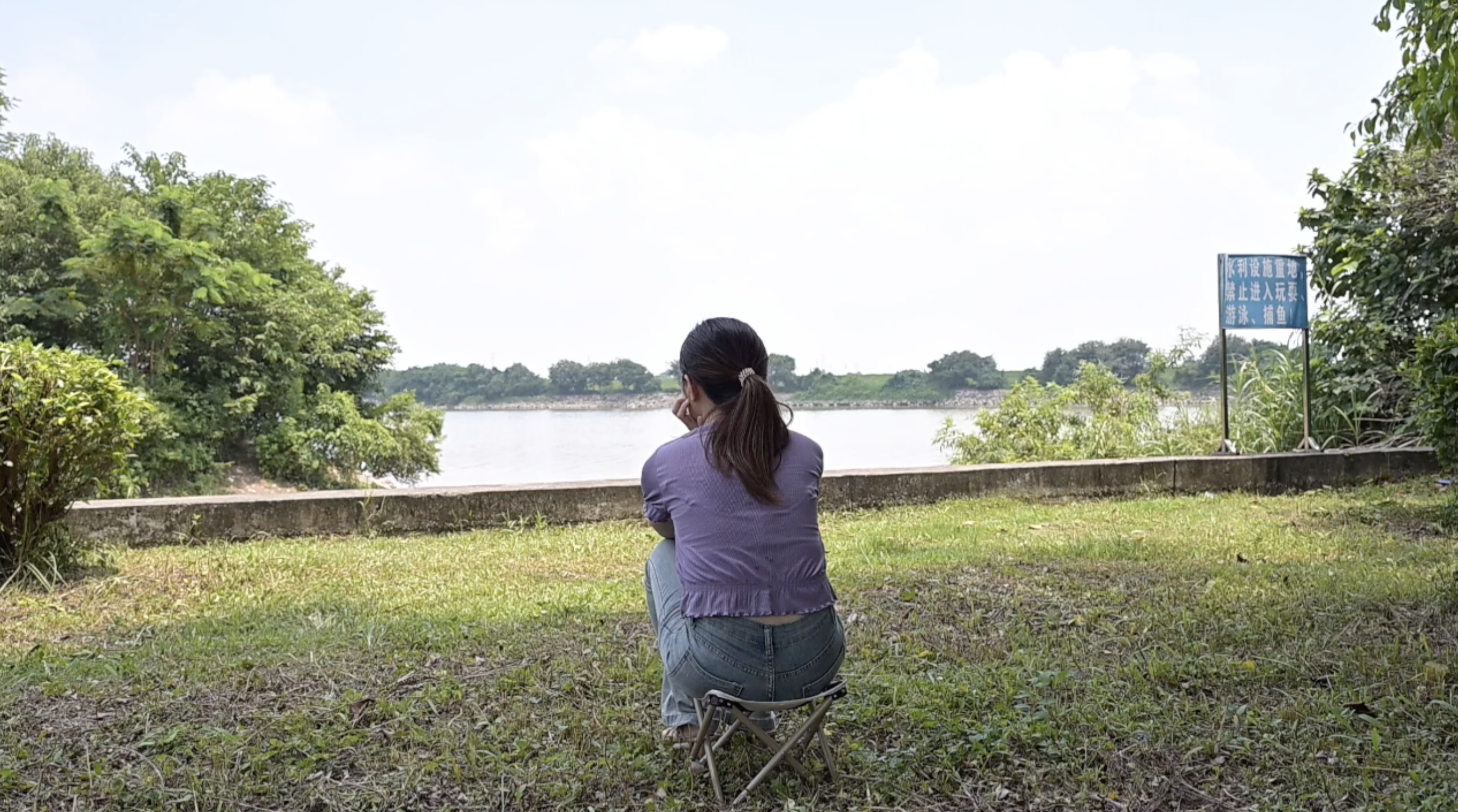
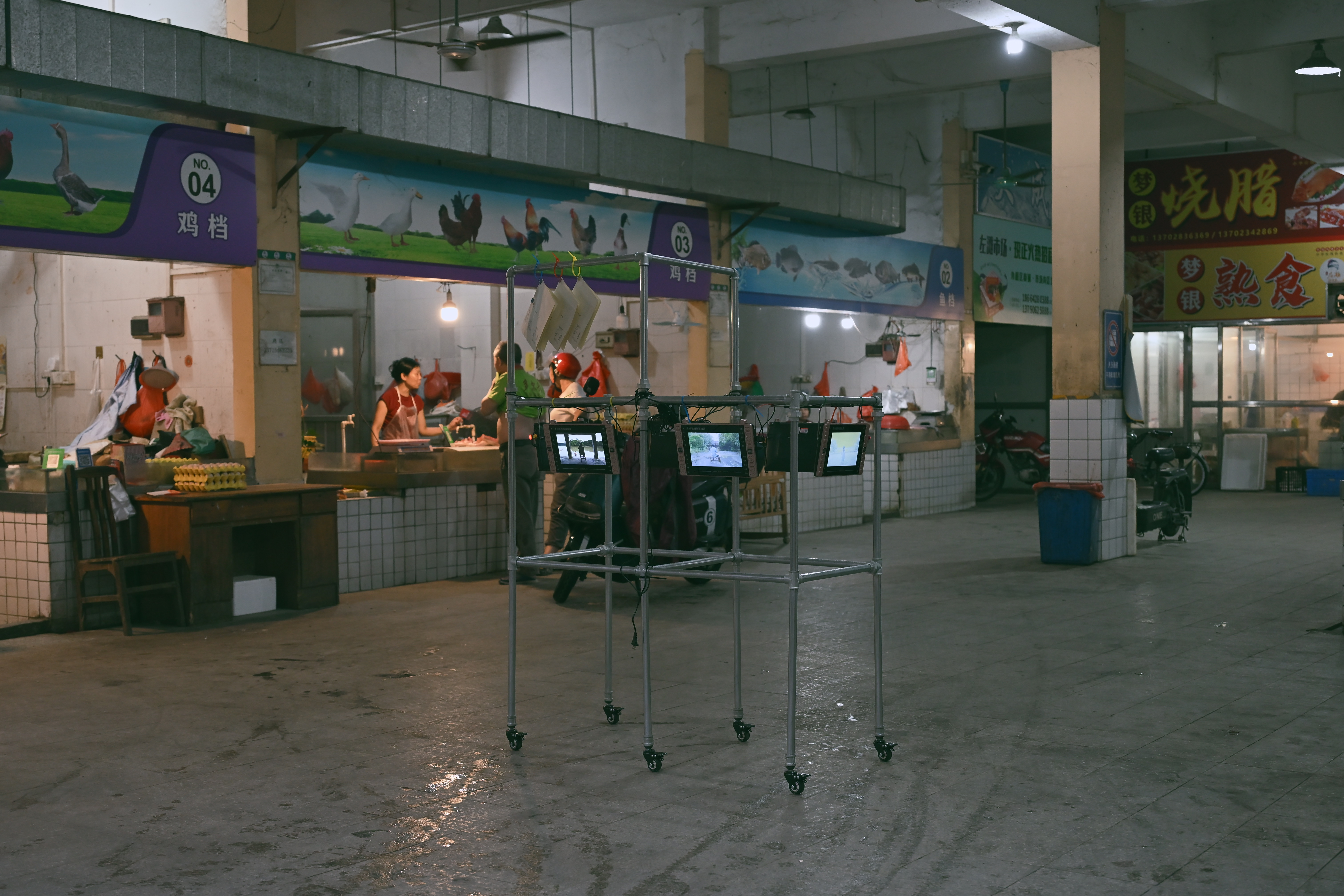
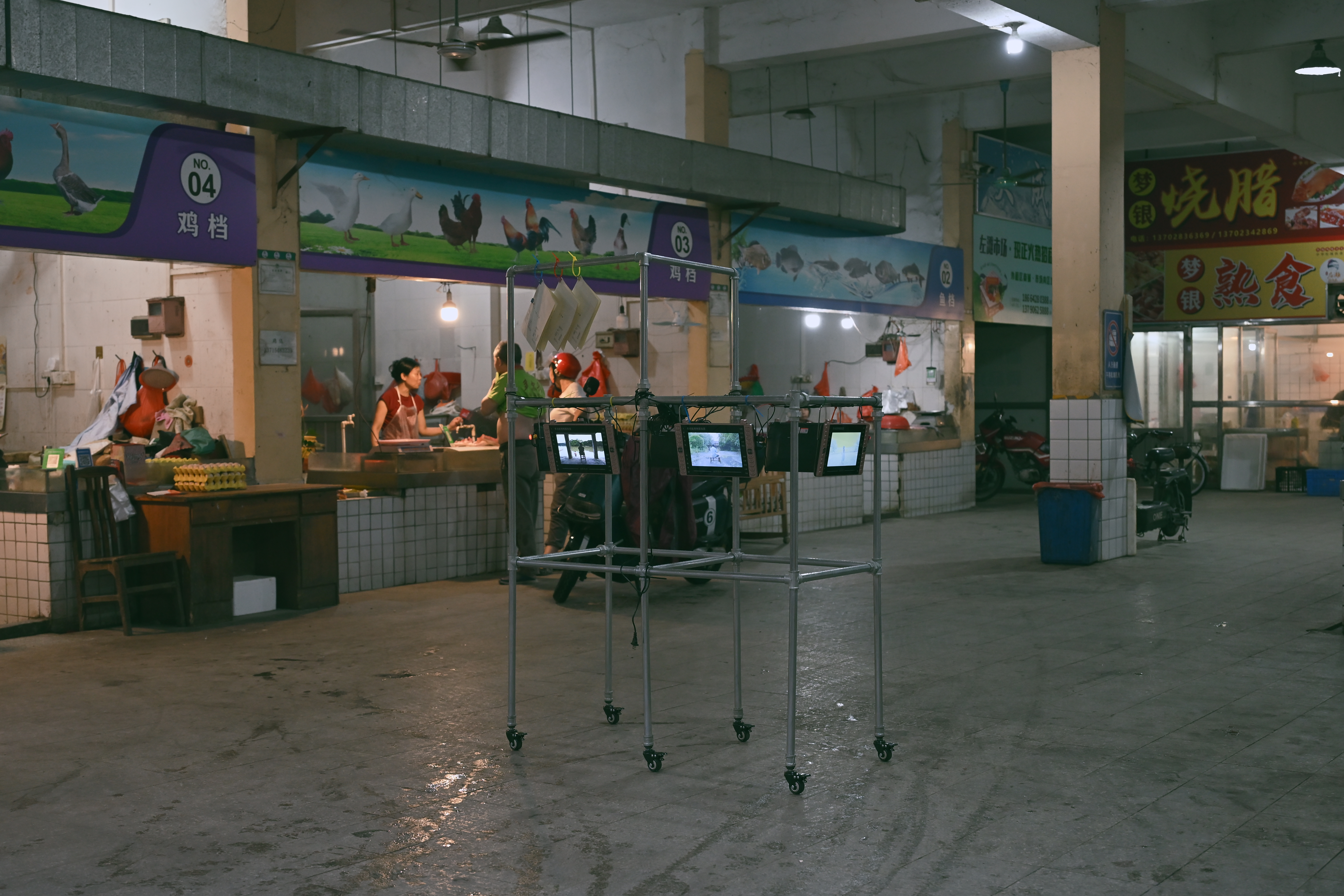
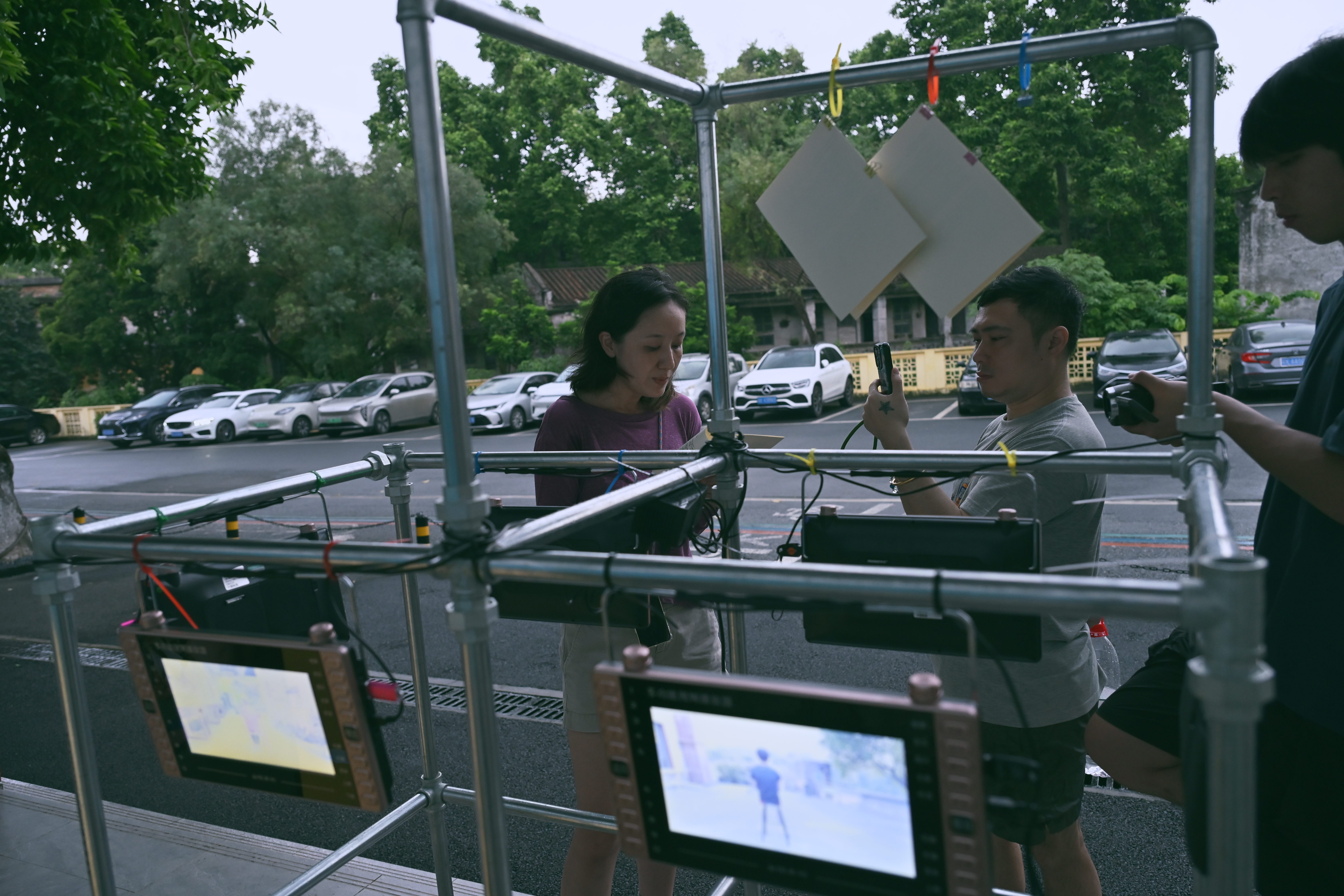
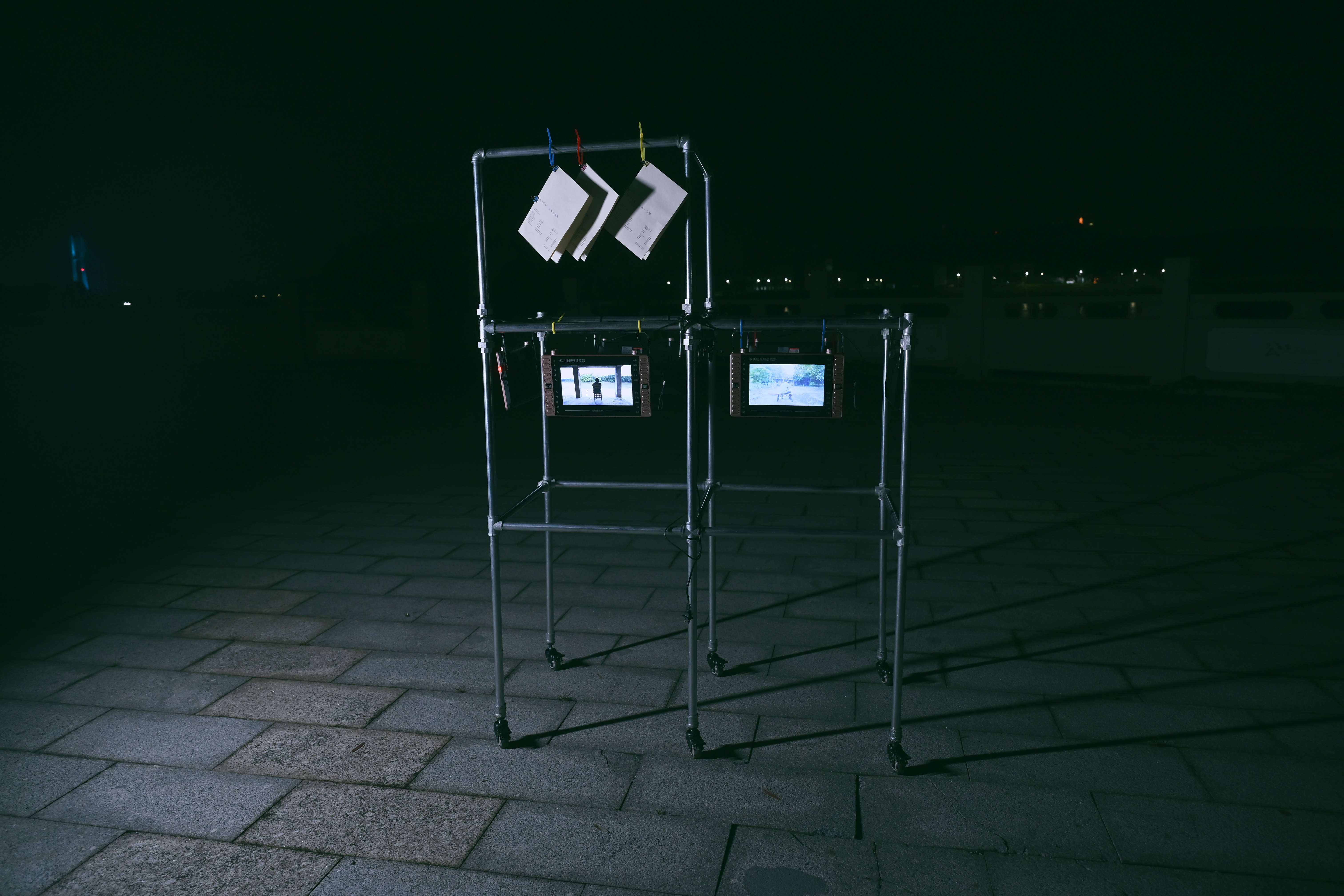
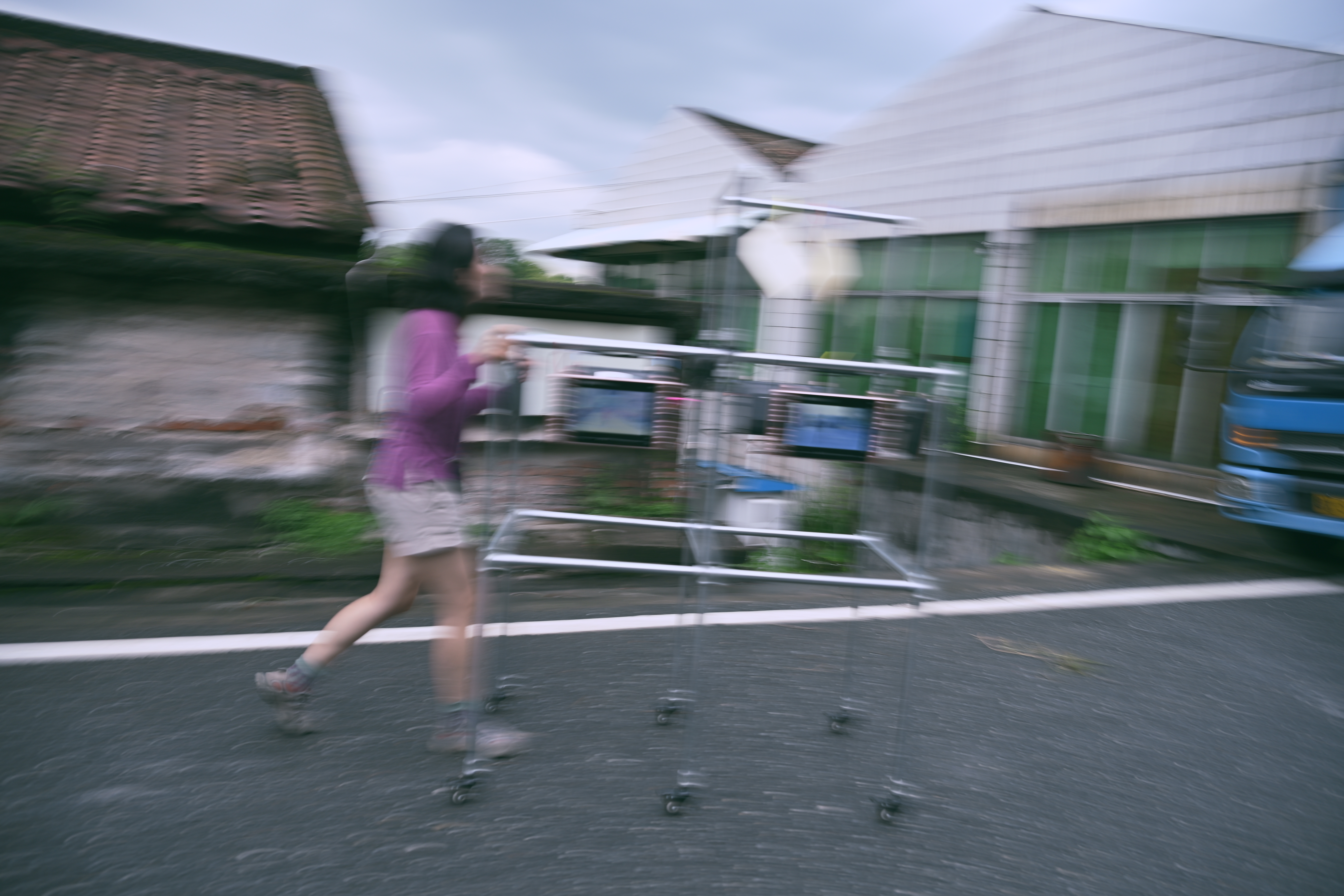
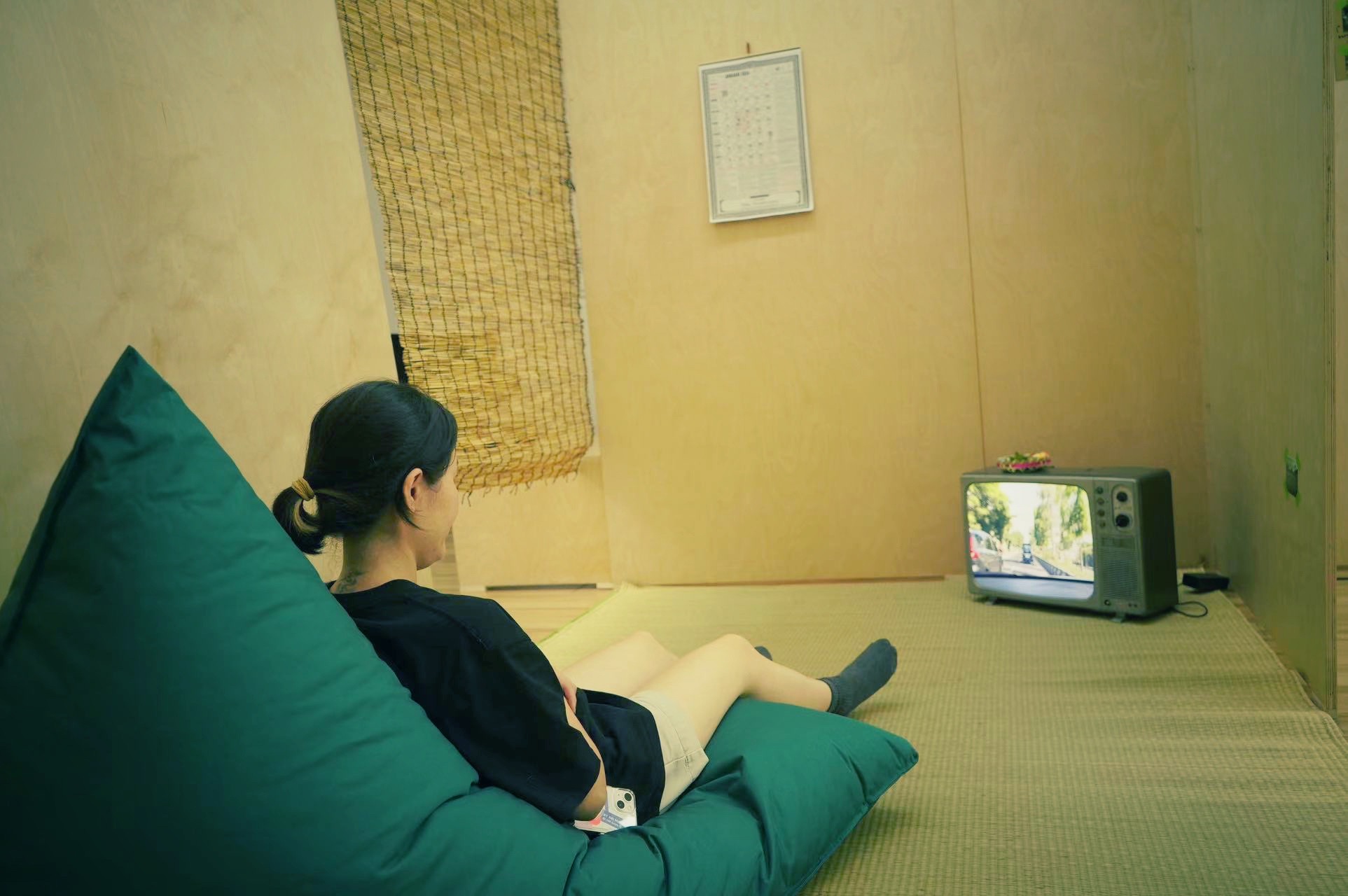
Village of Time was completed in Zuotan Village, Shunde. The project evolved into a community art initiative, assembled into a mobile mixedmedia installation. Suhuai invited six villagers she met in Zuotan, each to take her to a place of personal significance and memory. Together, they sat down and quietly observed the scenery for ten minutes. The recorded footage, along with transcripts of the villagers’ interviews, was crafted into a mobile video installation on wheels, which was later taken to various corners of the village for an evening screening. The work explores the concept of time and its relationship with rural life. Suhuai established a practice rooted in local engagement, community intervention, and emotional connection with individuals.
Tirta 溯源
Solo exhibition,2024,China
–
Showcase: Plain Glimmer 2 Solos @ Pien Chih-lin Art Museum 卞之琳艺术馆
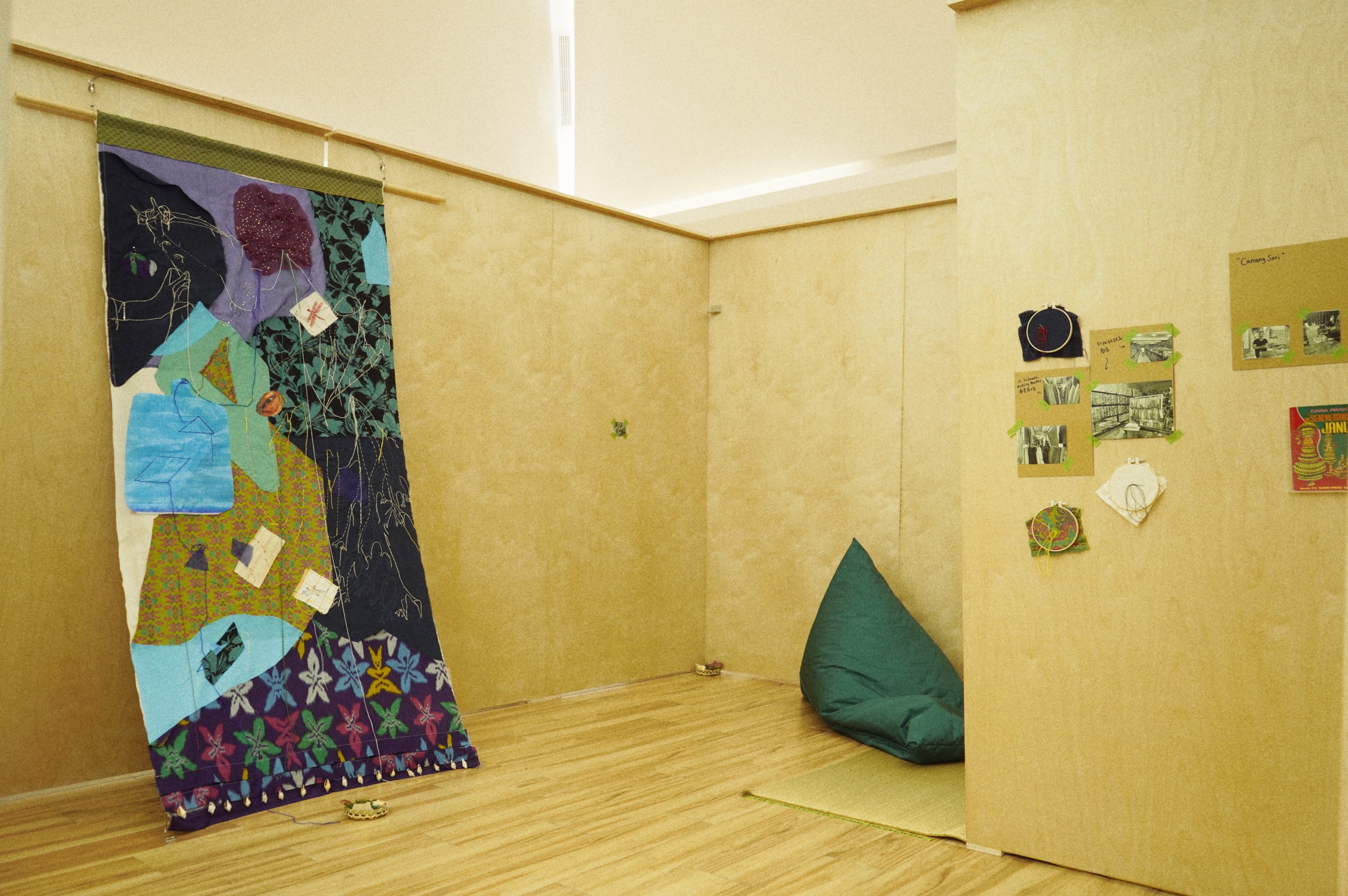
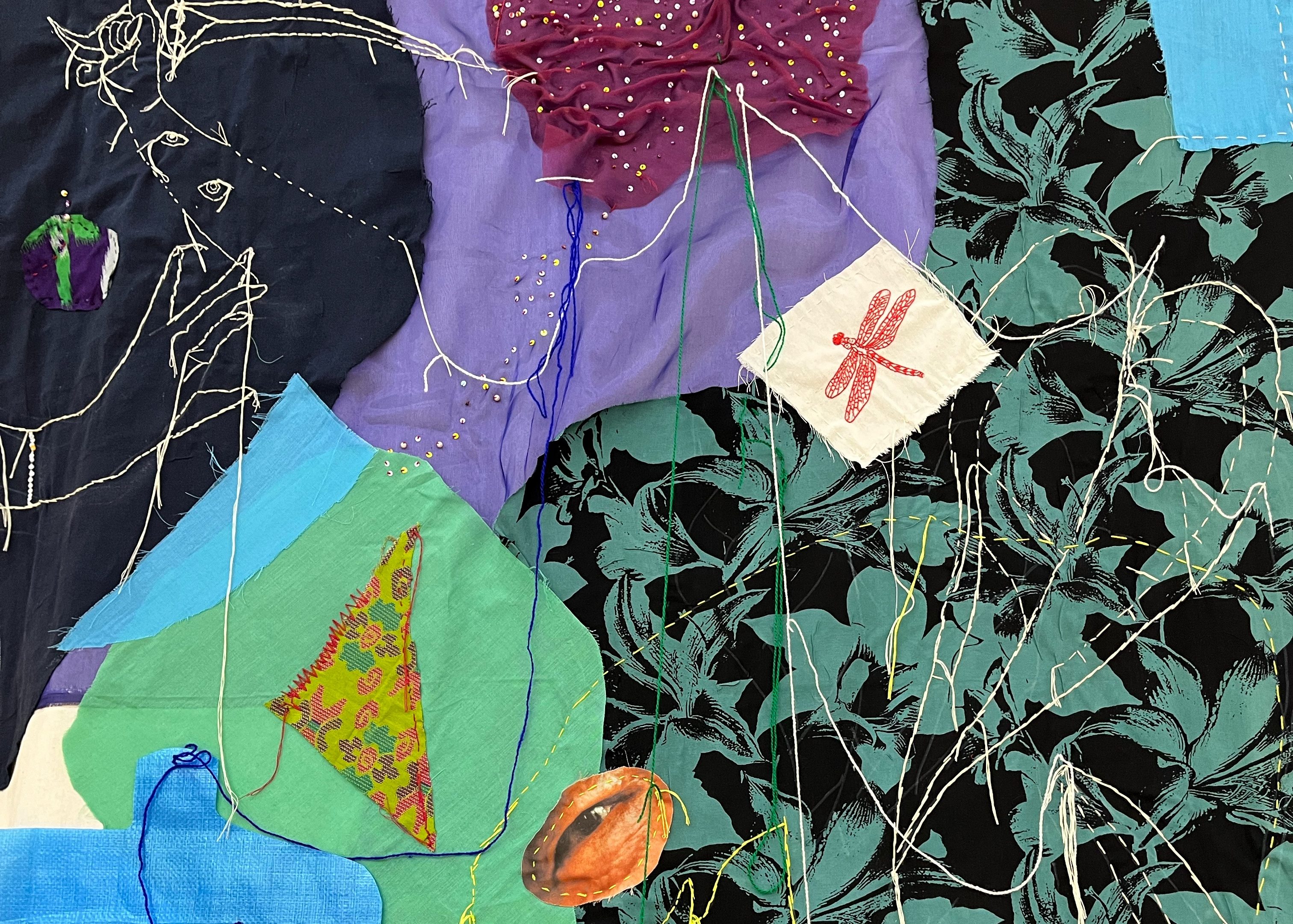
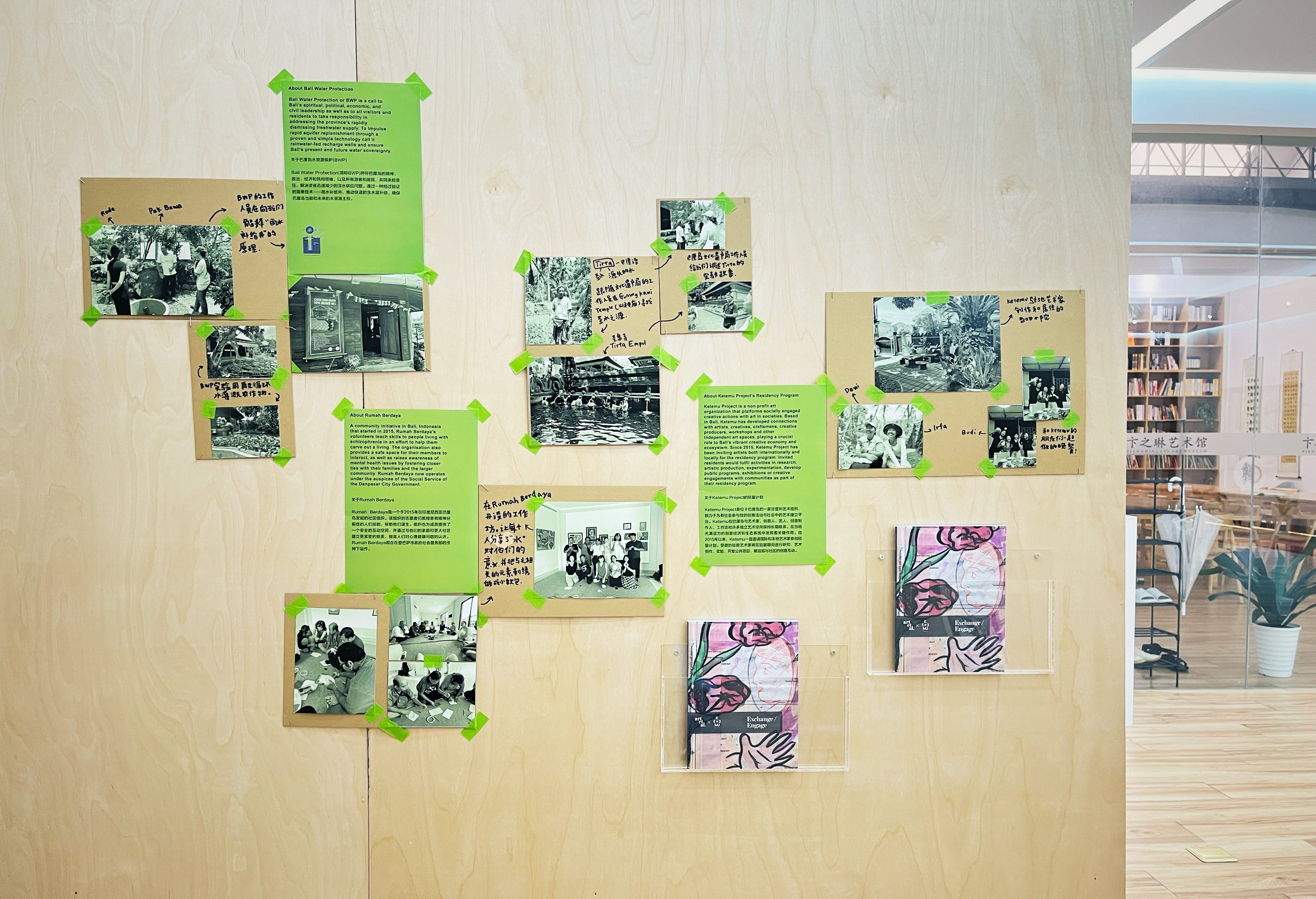
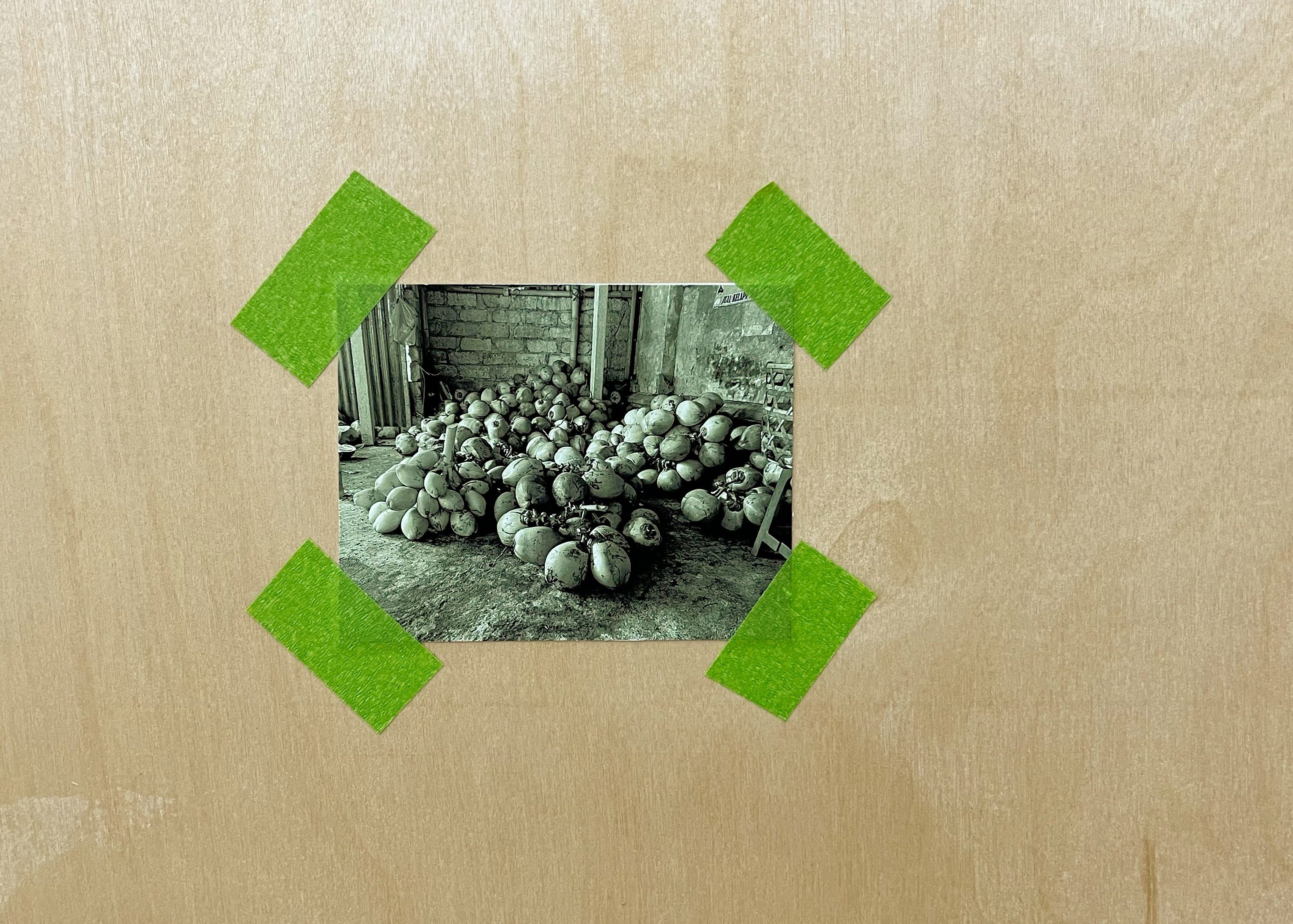
Tirta began with artist Huang Suhuai’s residency project in Bali, featuring a mixed-media textile work, process journal, and research archive. Centered around the theme of water, the artist drew profound inspiration from the island’s rich narratives of religious tales, way of life, daily struggles, and aesthetic experiences. Through sewing and embroidery, the artist weaves the narrative of the island’s waters into her work, envisioning how this vital element, embodying the complexities of everything, flows through the tapestry of our lives.
Artist-in-Residence Project
@Ketemu Project,Bali,Indonesia
–
“溯源”(Tracing origins)in Chinese signifies the search for water sources, but also delves into the roots of all things. Beneath the realms of beauty and ugliness, goodness and evil, giving and receiving, destruction and construction, there is always answers we continually seek. The waters of Bali have inspired the artist Suhuai in numerous ways. Instead of treating her work as the sole and final outcome, Freya seeks to share the creative process with the local community, aiming to inspire collaborative efforts.In the open studio, Freya will showcase her research, documentation, and the creative process.
I see myself 《对镜》
Mixed Media Installation,2024,China
–
Showcase: Mirage of Words: Poetry, Medium and Synaesthesia @ Pien Chih-lin Art Museum 卞之琳艺术馆
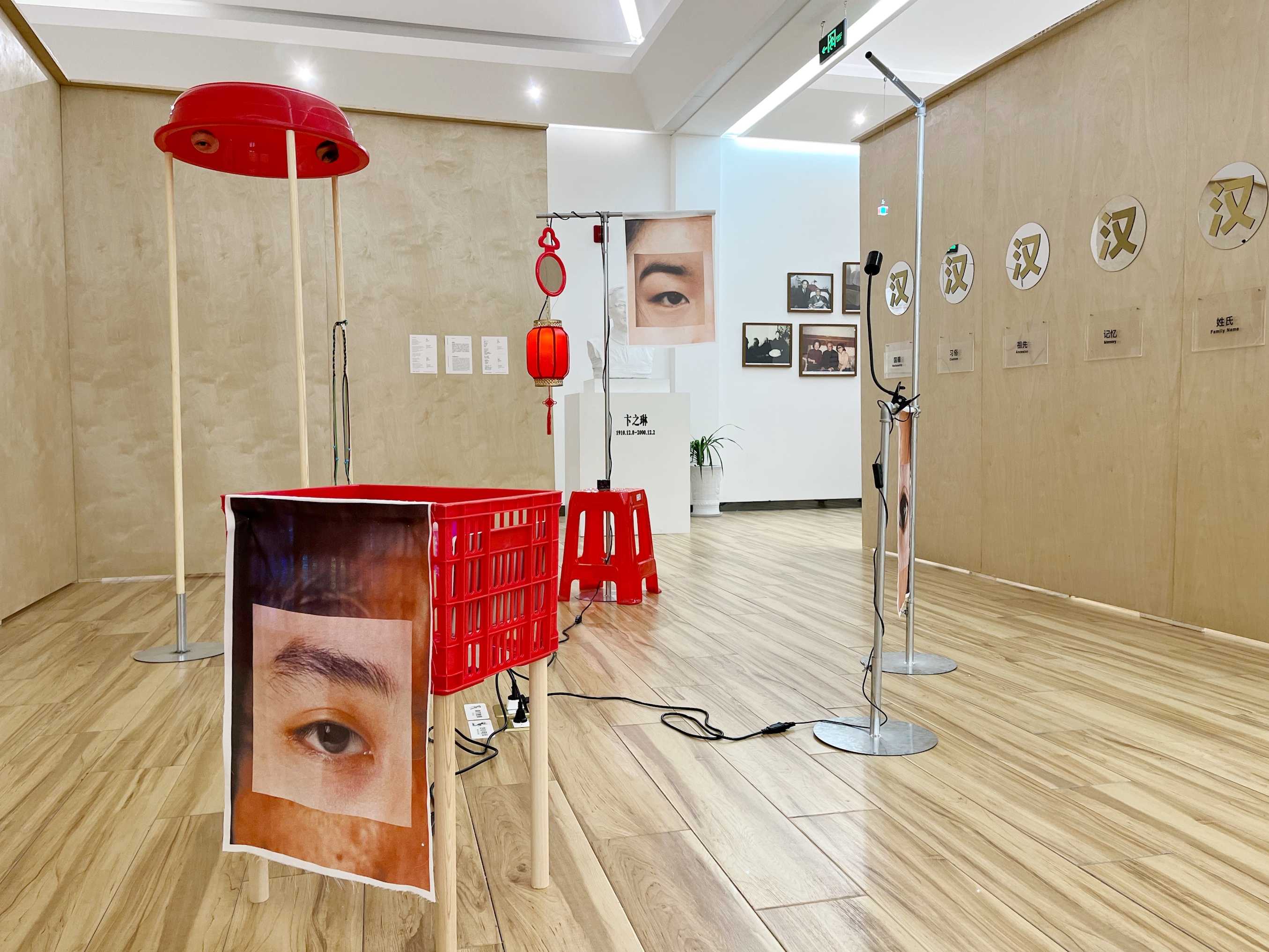
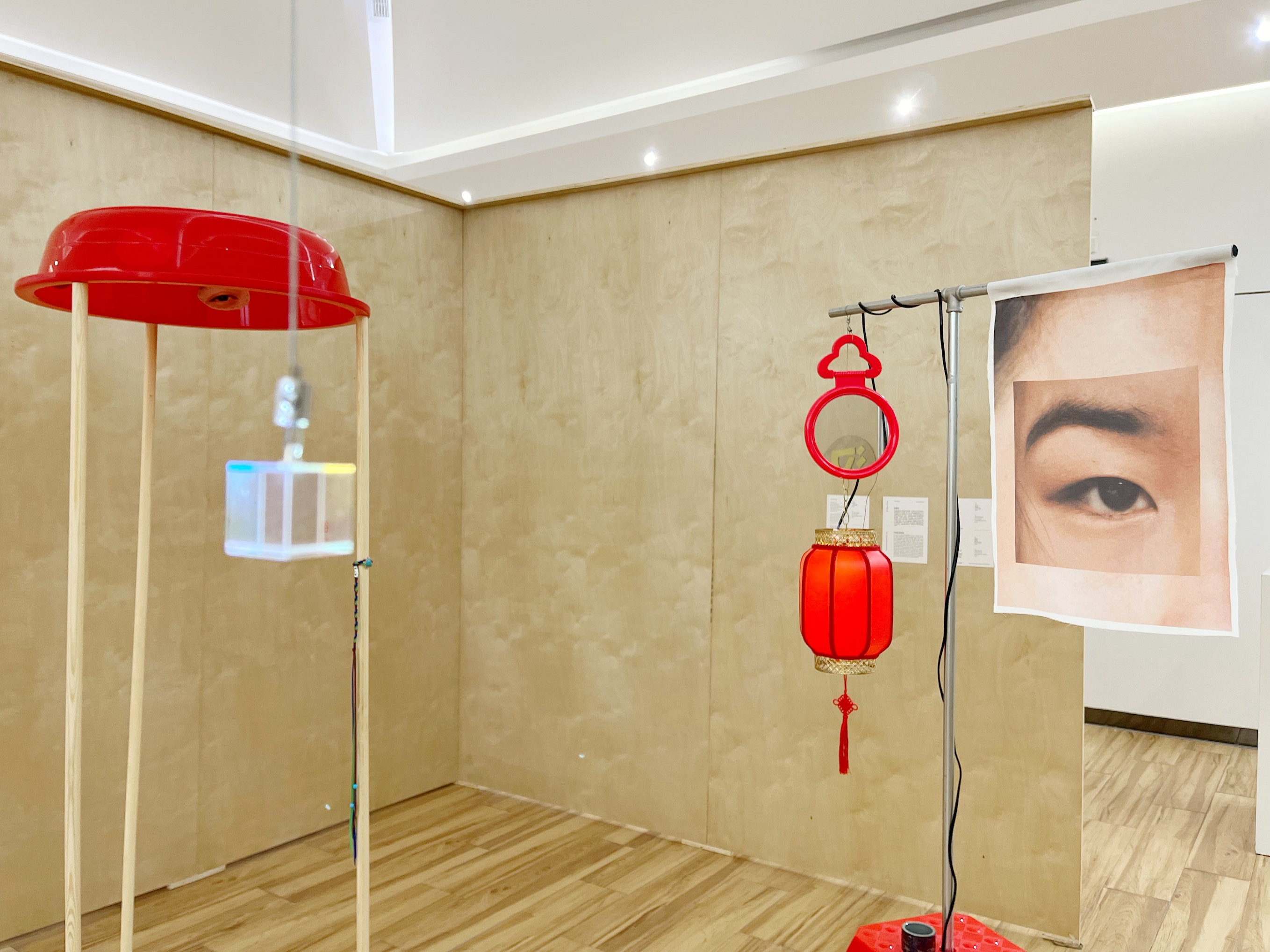
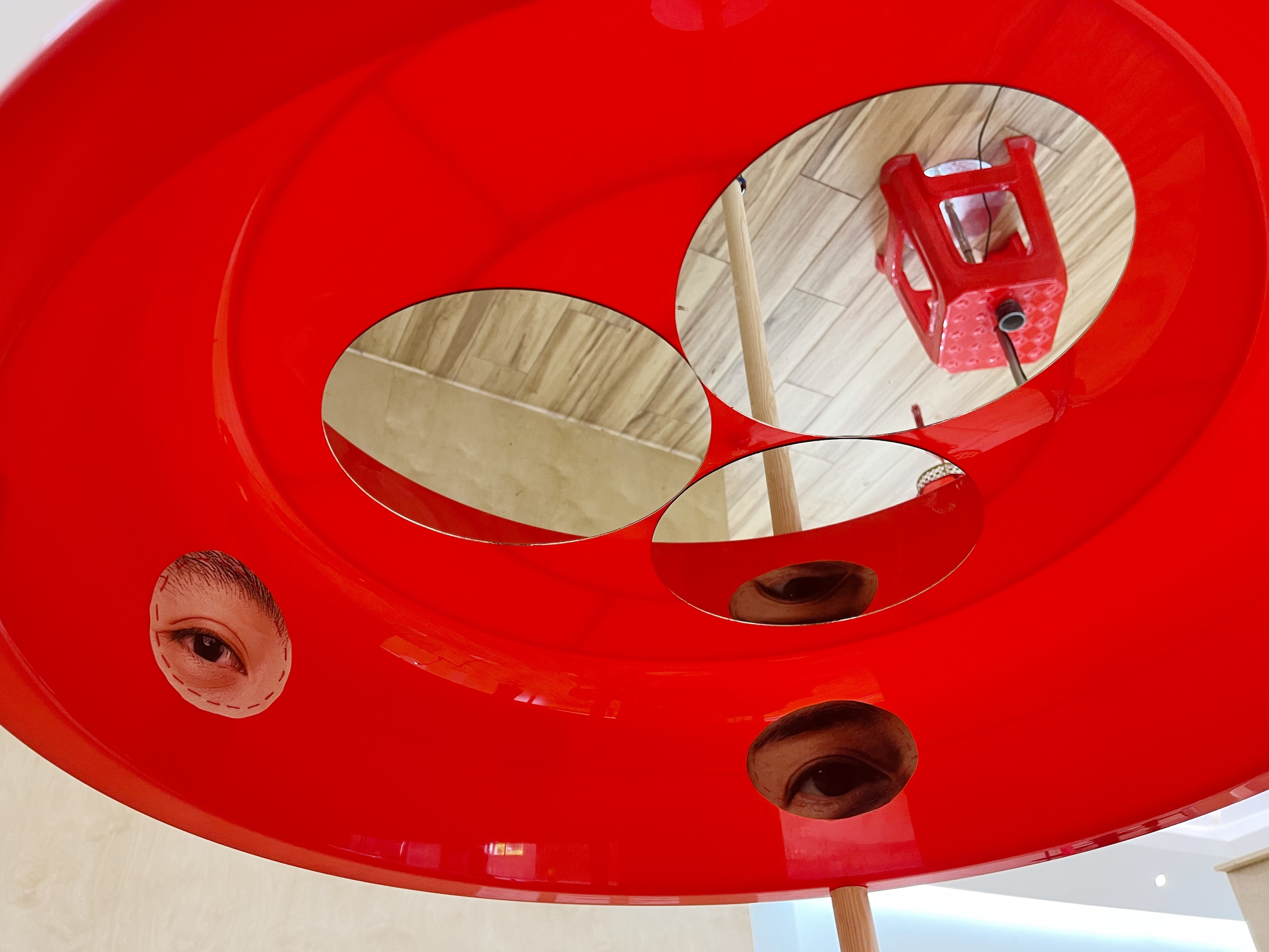
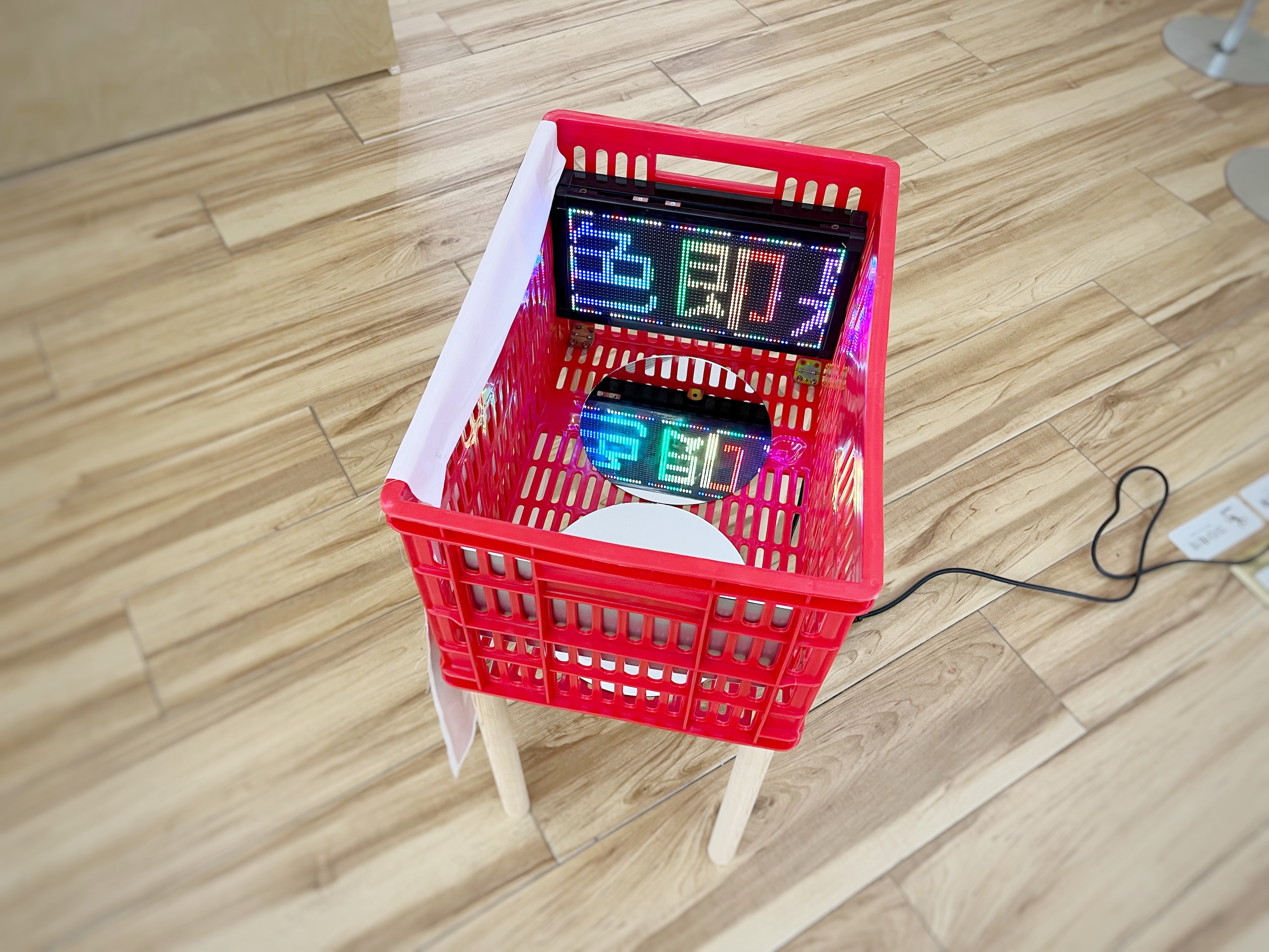
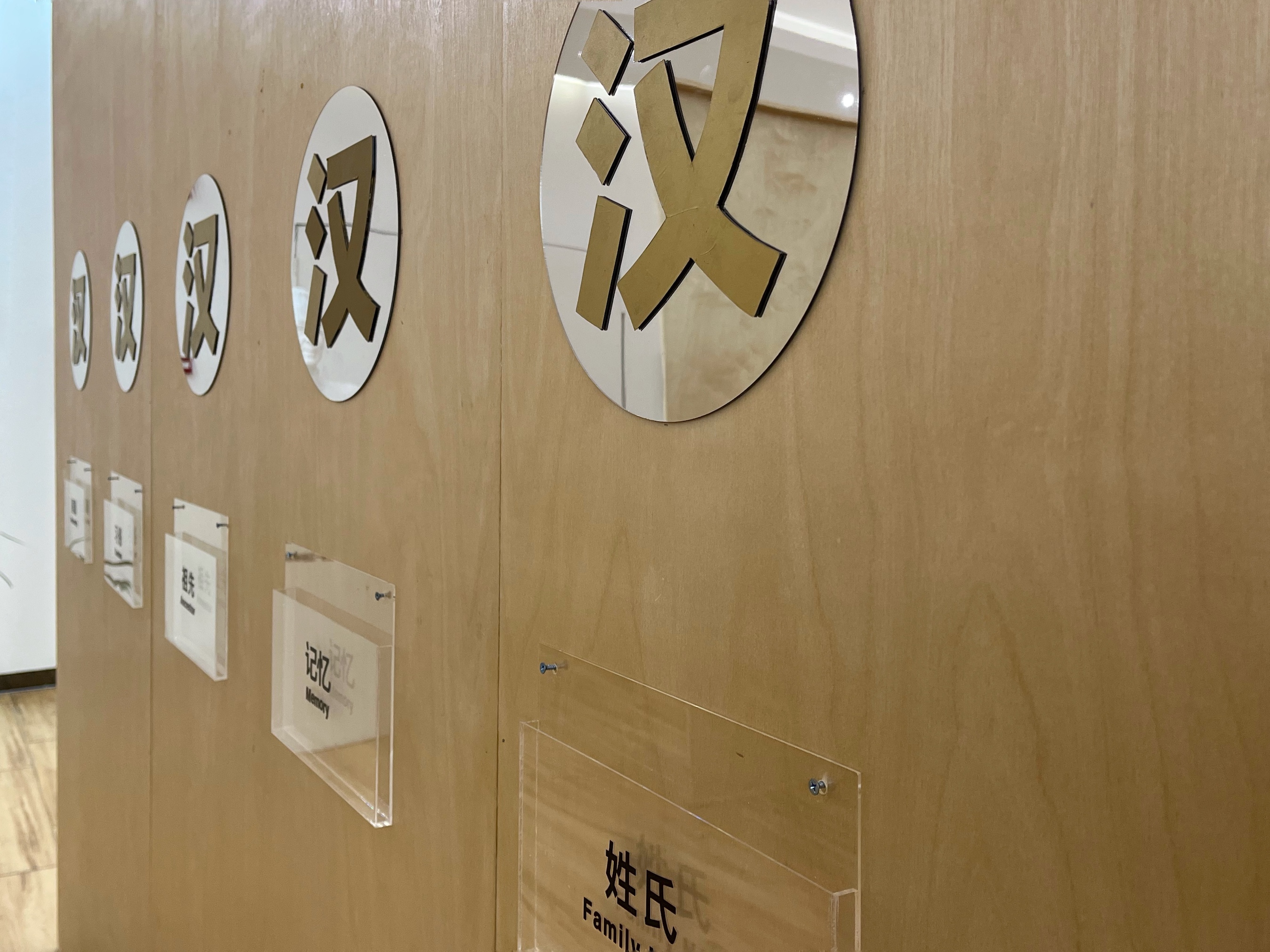
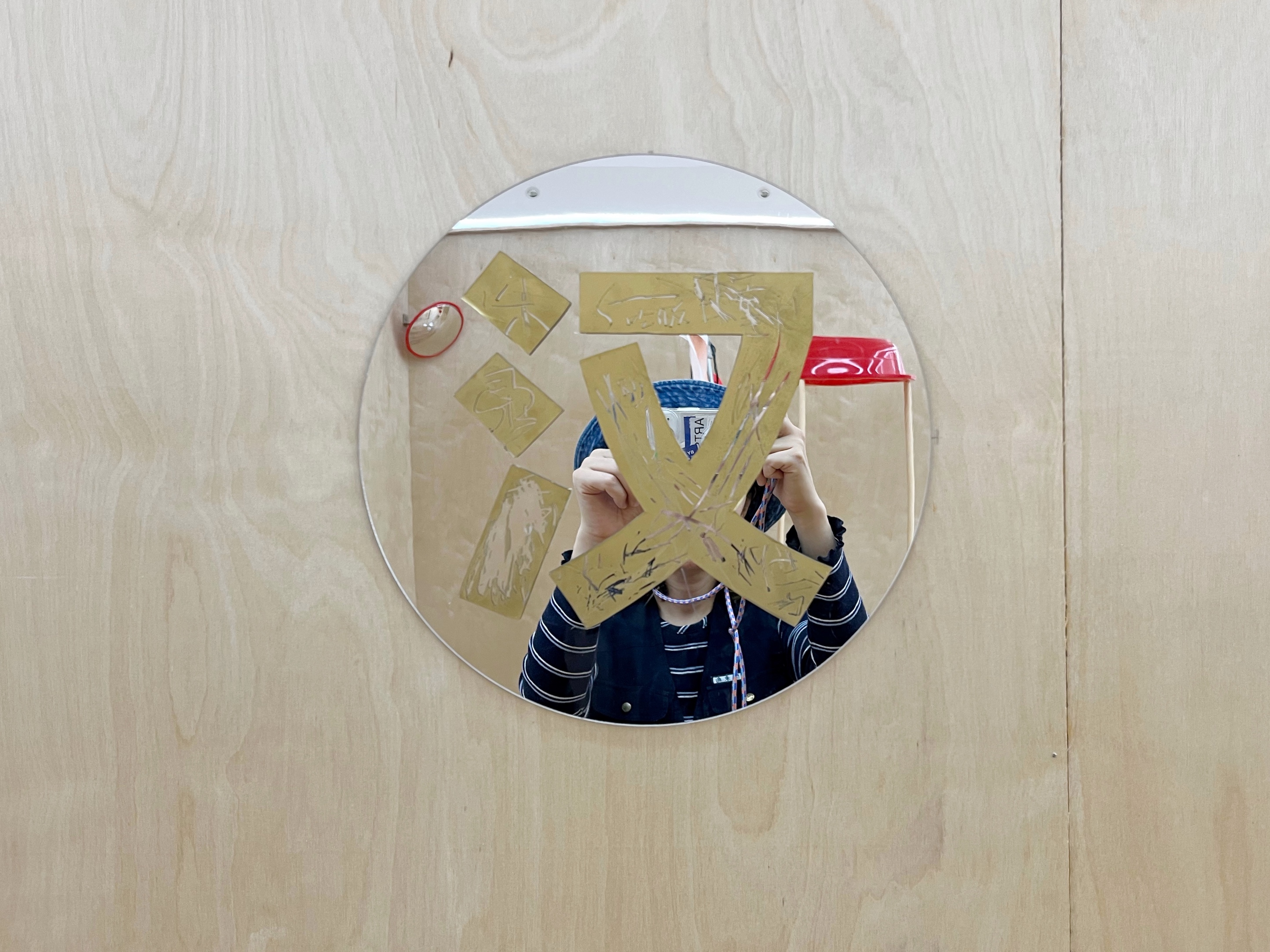
This work is based on the poem The Han People by Yu Yan Chen. Yu Yan and I both have experiences living in different places, and these experiences significantly shaped and amalgamated our self-perceptions. Her poem, The Han People, stands as a conceptual piece, probing the intricacies of Han identity from multifaceted angles. This made me start thinking, what kinds of cultural symbols construct, impose, or label our identity as Han people/Chinese people? Therefore, as an extension of these poetic concepts, I sought to materialize them spatially, reconfiguring everyday objects through the metaphorical use of the red color. The utilization of mirrors invites viewers to engage in self-reflection within the artwork, prompting them to reevaluate the various taken-for-granted aspects of cultural construction.
Stranger 《陌生人》
Showcase,2024,China

–
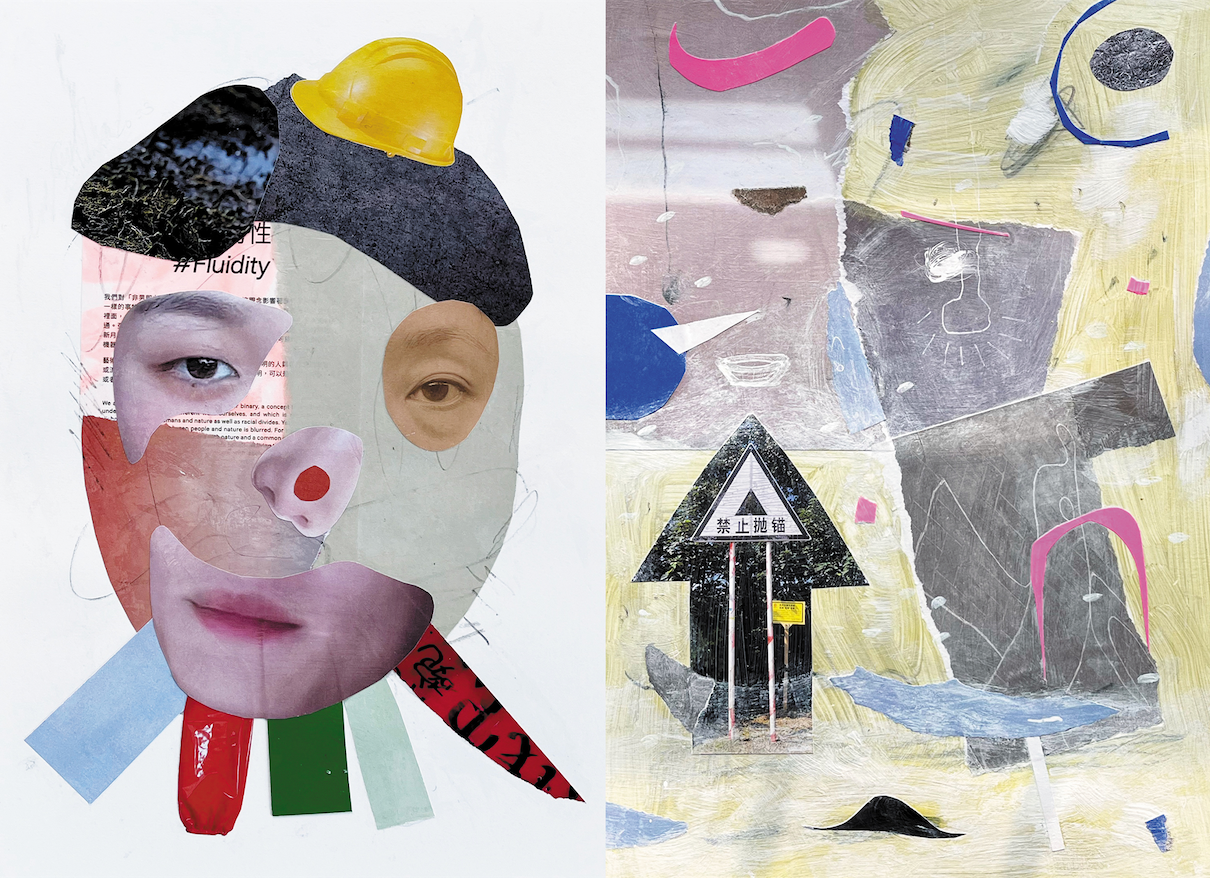
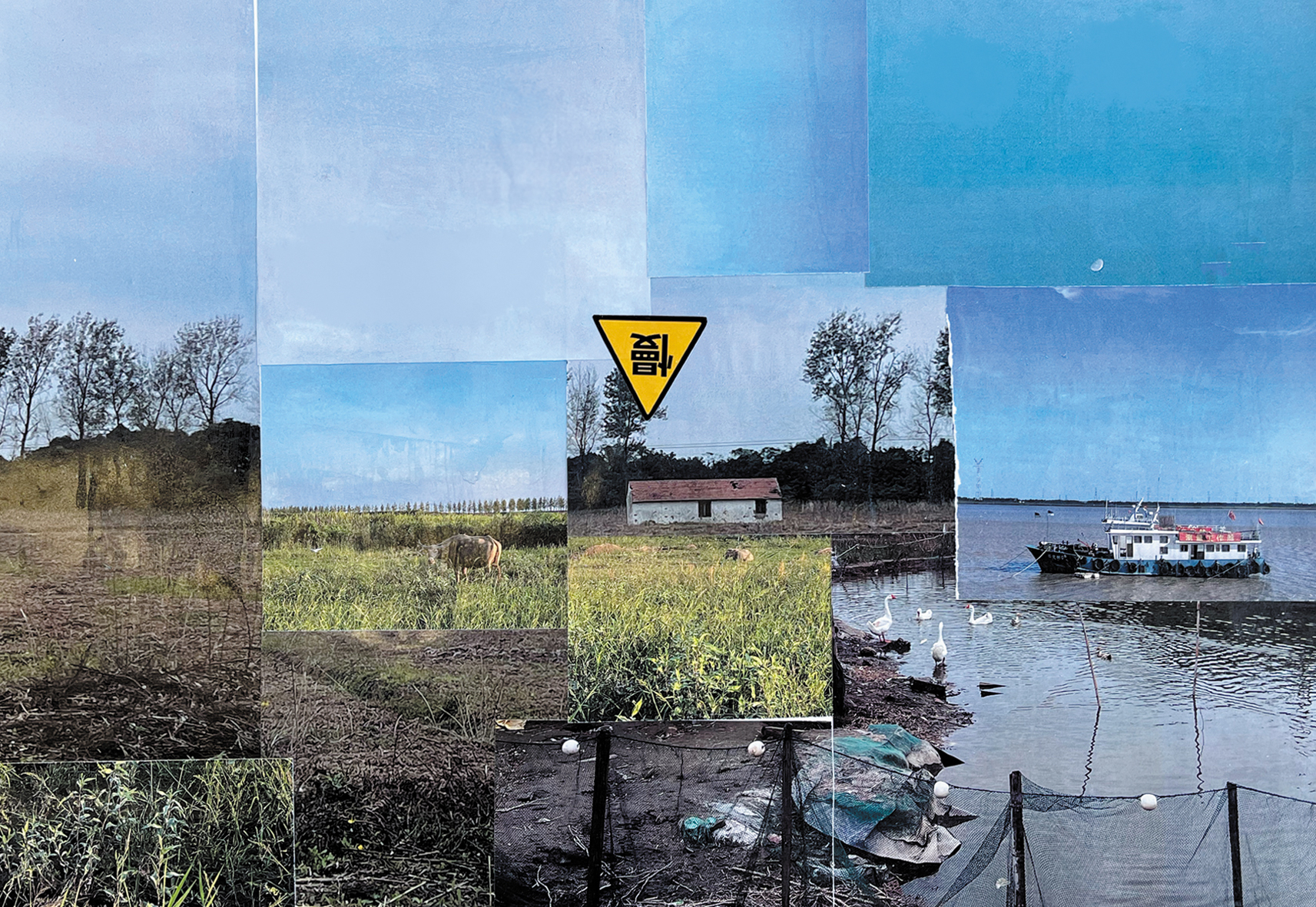
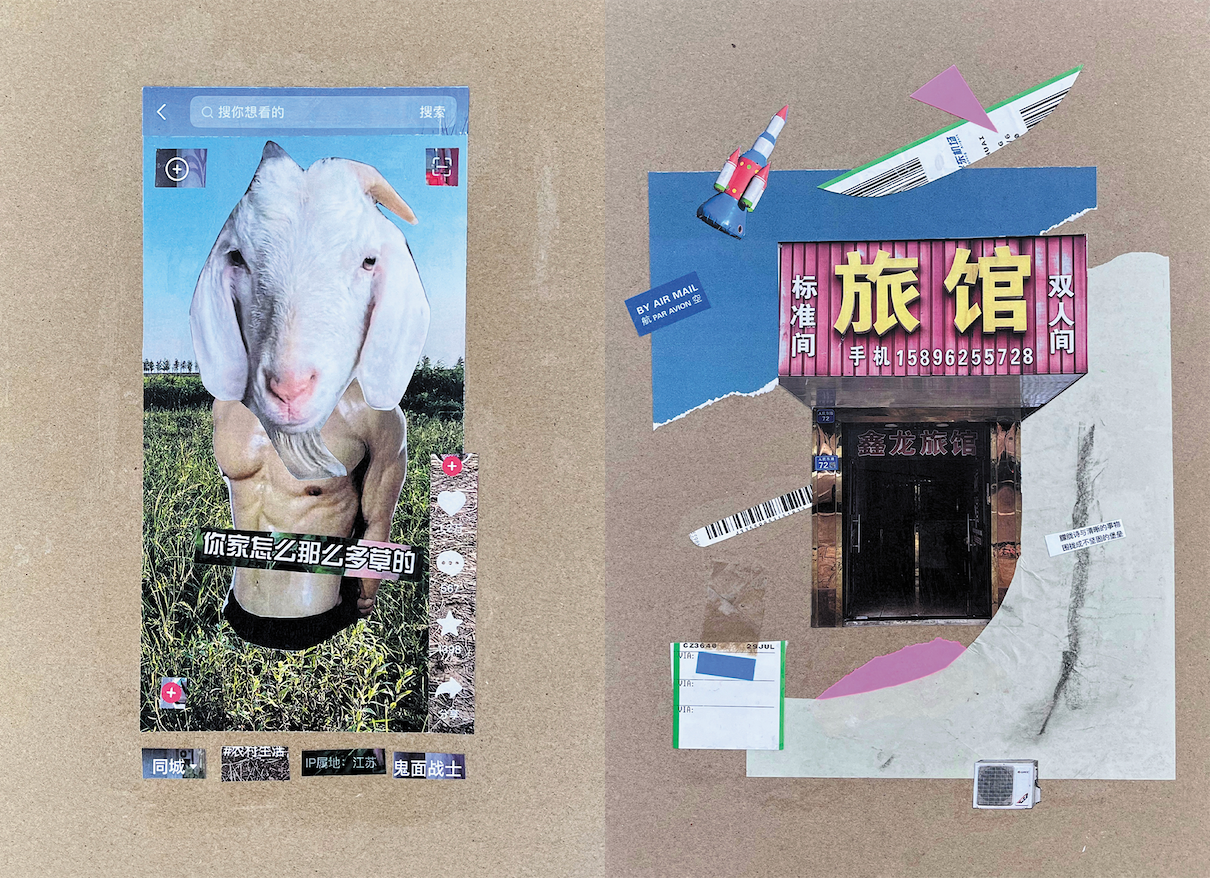
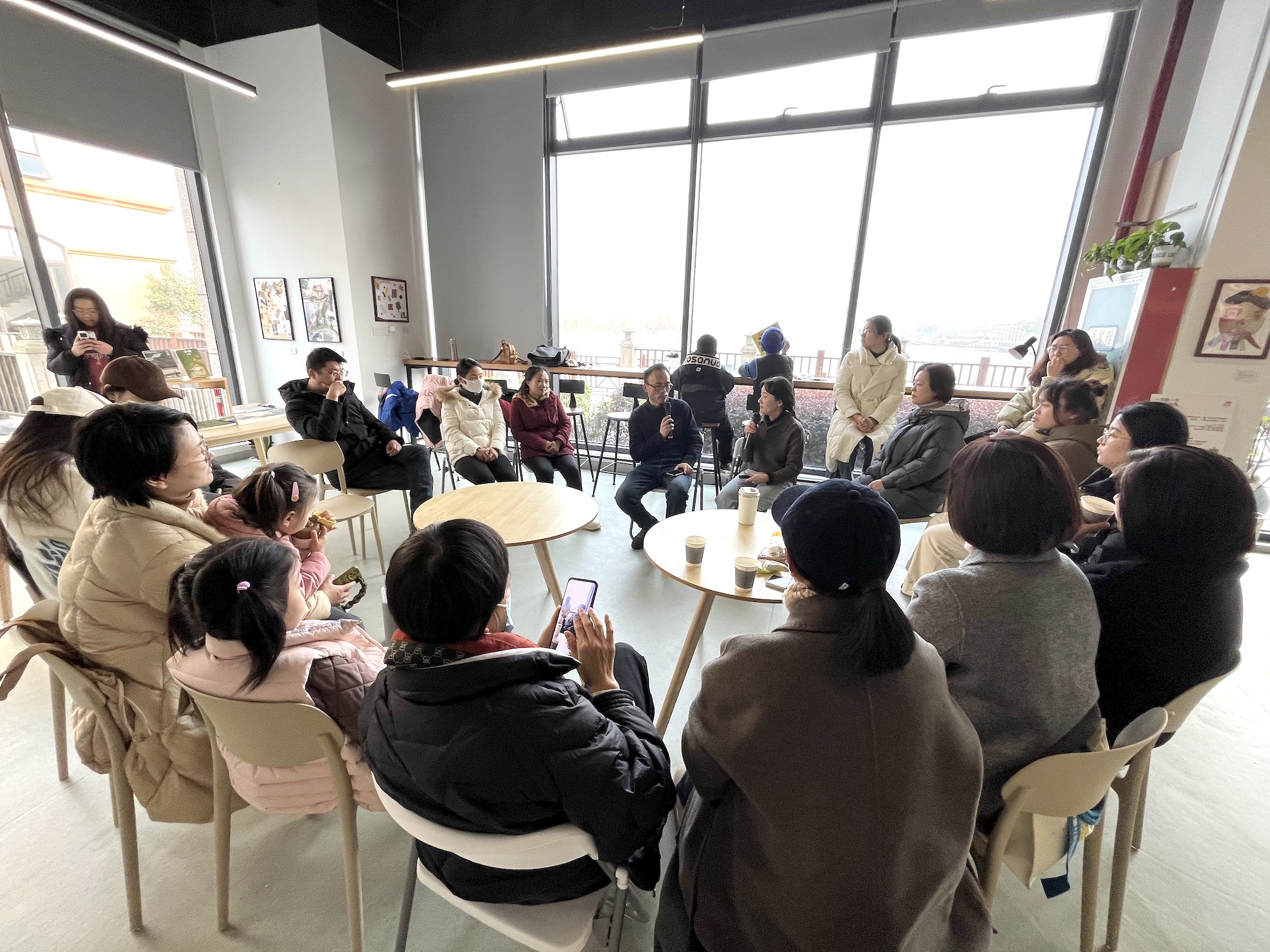
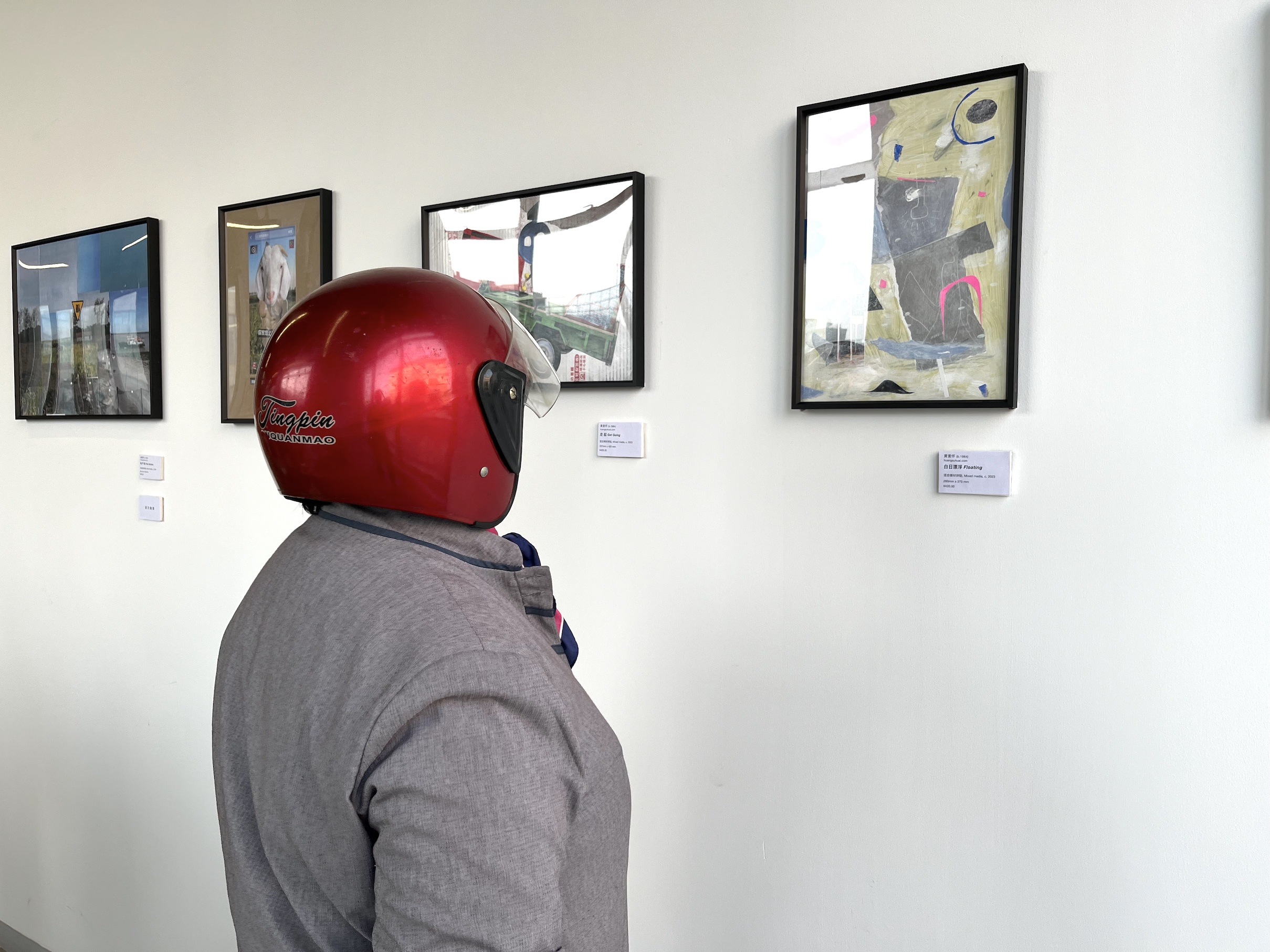
Stranger 陌生人 is artist Huang Suhuai’s first solo exhibition during her 2024 residency in Topu Town. Viewing her surroundings through the lens of a newcomer, Suhuai meticulously observes and experiences the local environment, along with the dynamics of rural industrialization and urbanization. She identifies a persistent struggle for discourse power between urban and rural aesthetics, which serves as the foundation for her creative exploration.
Employing collage art as her primary method, Suhuai disrupts and reassembles daily life scenes, characters, and language, endeavoring to craft her own unique “China township aesthetics”. This process of defamiliarization allows her to capture the nuanced interplay of tradition and modernity, reflecting the complex identity of the evolving township.
To Remember Is To Forget:
The Disappeared Neighbourhood — A Map Project
Community Art Project, Showcase, 2023
To Remember Is To Forget: The Disappeared Neighbourhood — A Map Project 2023 / Showcase 
To Remember Is To Forget: The Disappeared Neighbourhood — A Map Project 2023 / Showcase 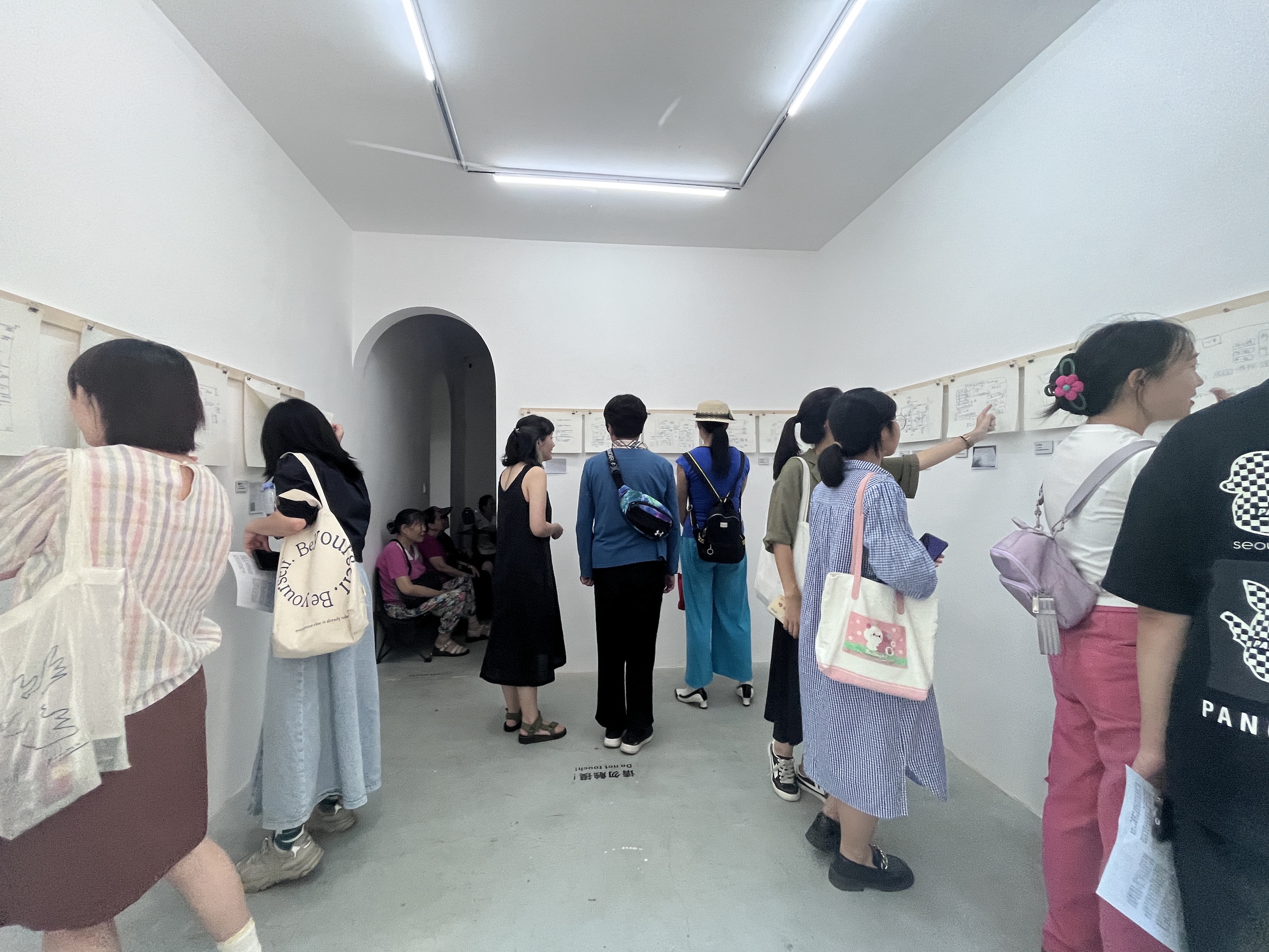
To Remember Is To Forget: The Disappeared Neighbourhood — A Map Project 2023 / Showcase 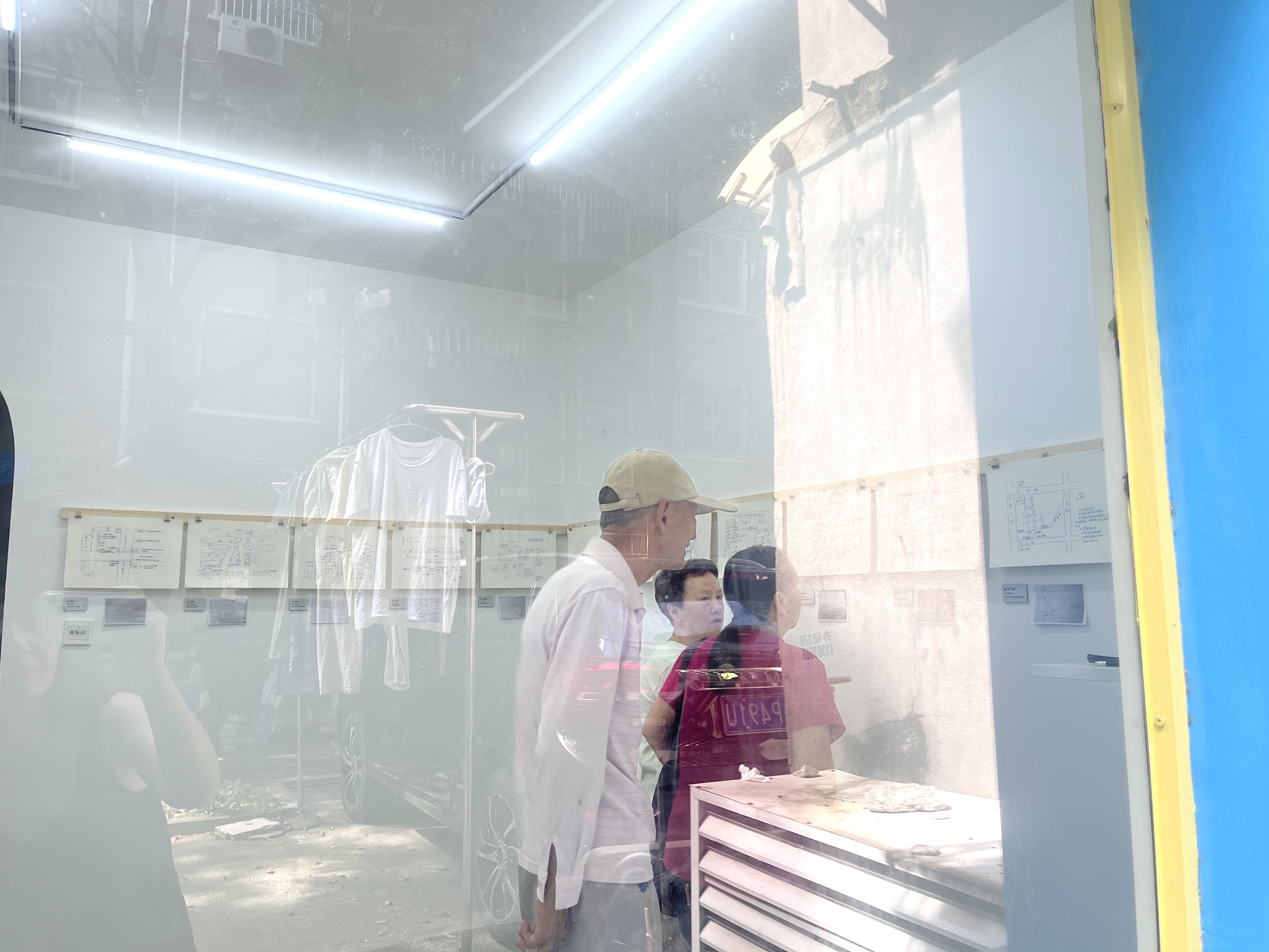
To Remember Is To Forget: The Disappeared Neighbourhood — A Map Project 2023 / Showcase 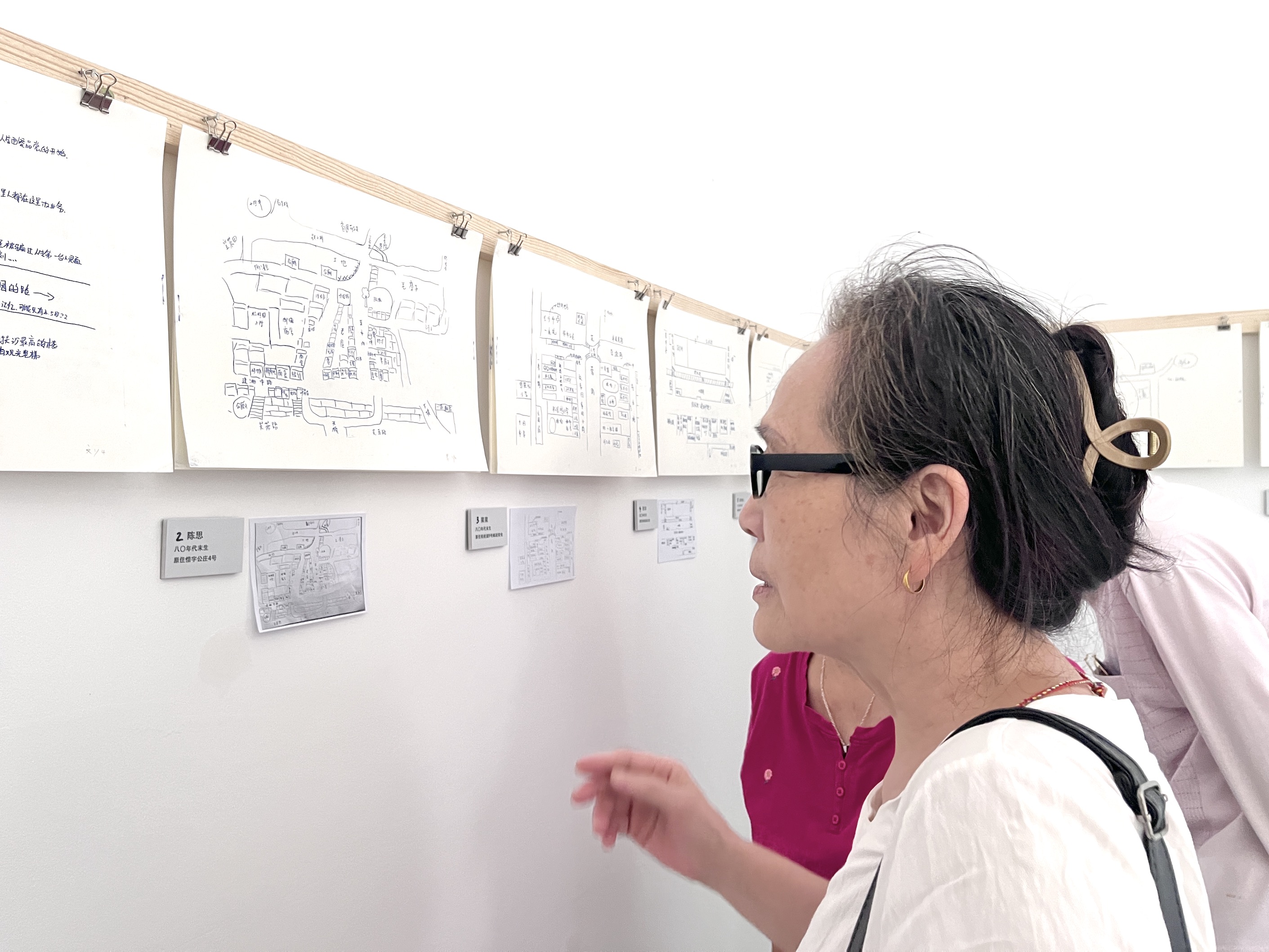
To Remember Is To Forget: The Disappeared Neighbourhood — A Map Project 2023 / Showcase 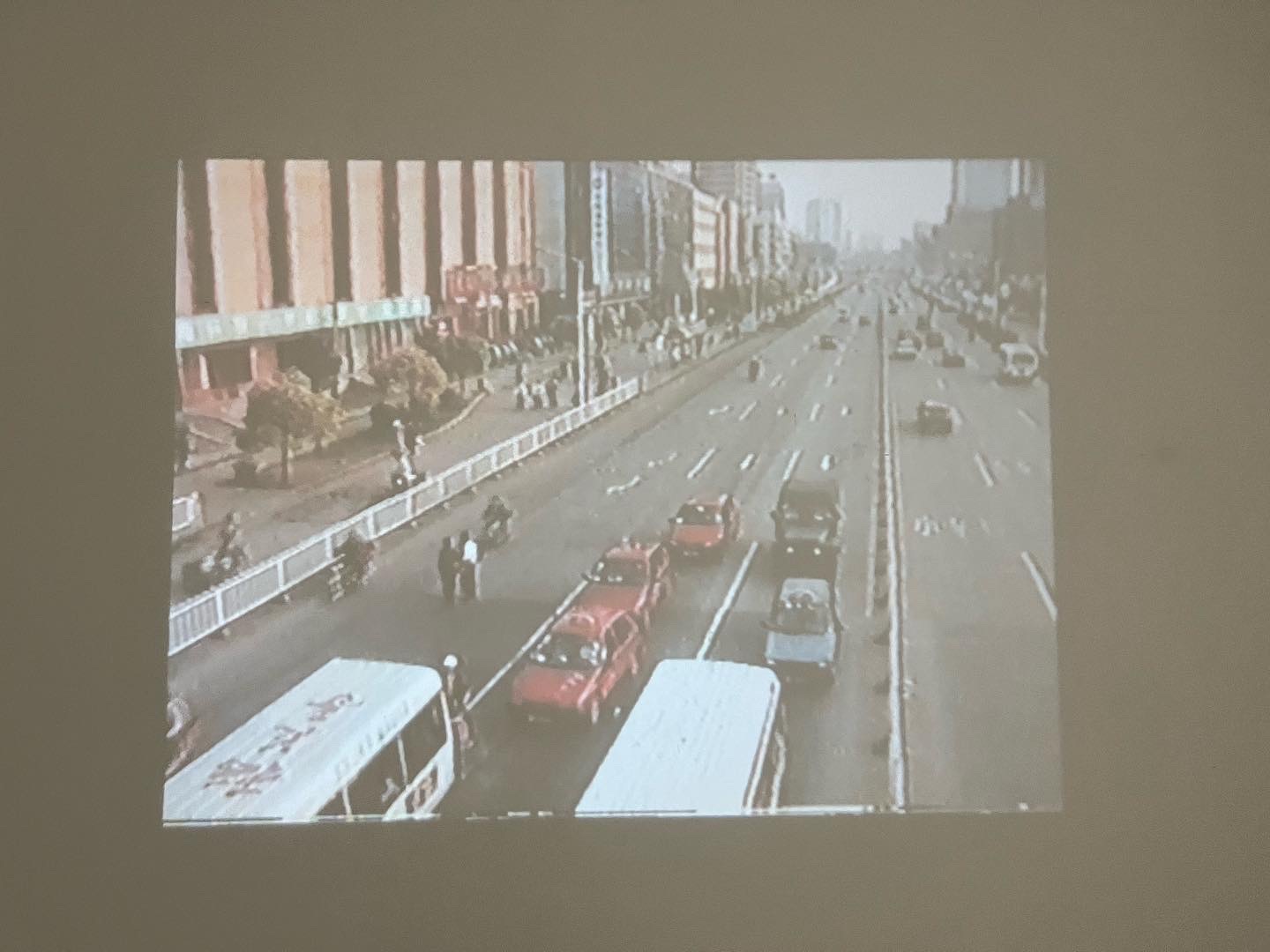
To Remember Is To Forget: The Disappeared Neighbourhood — A Map Project 2023 / Showcase 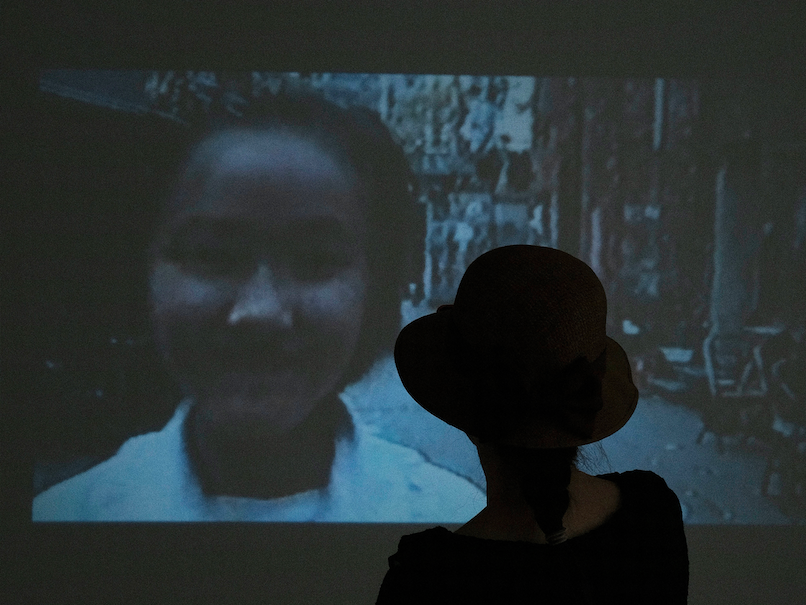
To Remember Is To Forget: The Disappeared Neighbourhood — A Map Project 2023 / Showcase
–
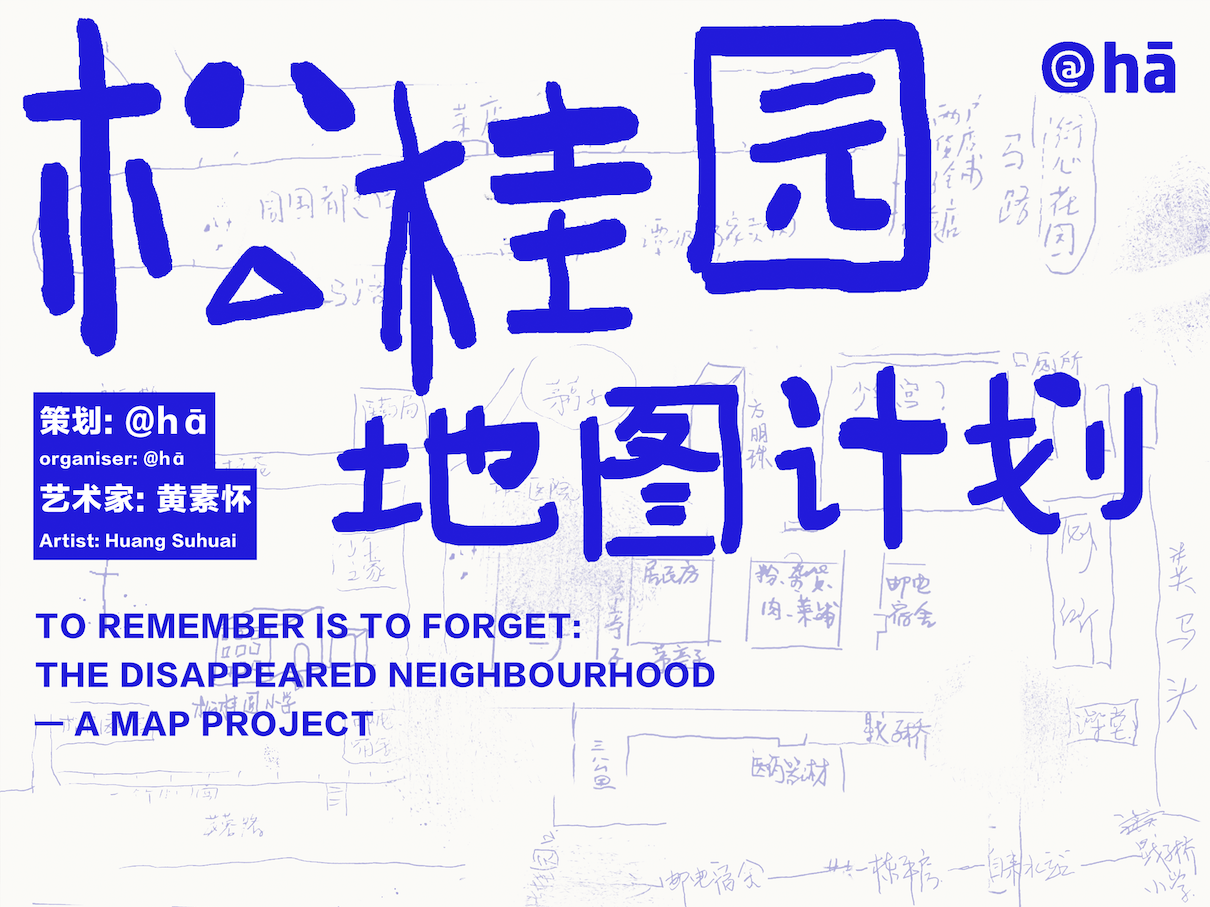
The Disappeared Neighbourhood – A Map Project is an exhibition project co-initiated by @hā Art Space and artist Huang Suhuai. It uses hand-drawn maps as a medium to explore the meaning of Home and Memory in the wake of radical urban transformation.
《松桂园 – 地图计划》是@hā艺术空间与艺术家黄素怀共同发起的一个探讨城市记忆的展览计划,以手画地图为媒介,探寻在轰轰烈烈的城市改造后不可磨灭的“家园”记忆。是什么塑造了我们今天的城市生活?什么过往值得追溯?又有什么会必然被忘却?《松桂园 – 地图计划》关于城市,也探讨记忆。关注城市巨变及人们生活的改弦易辙,探索地图作为记忆载体所展示的诗意与隐喻。
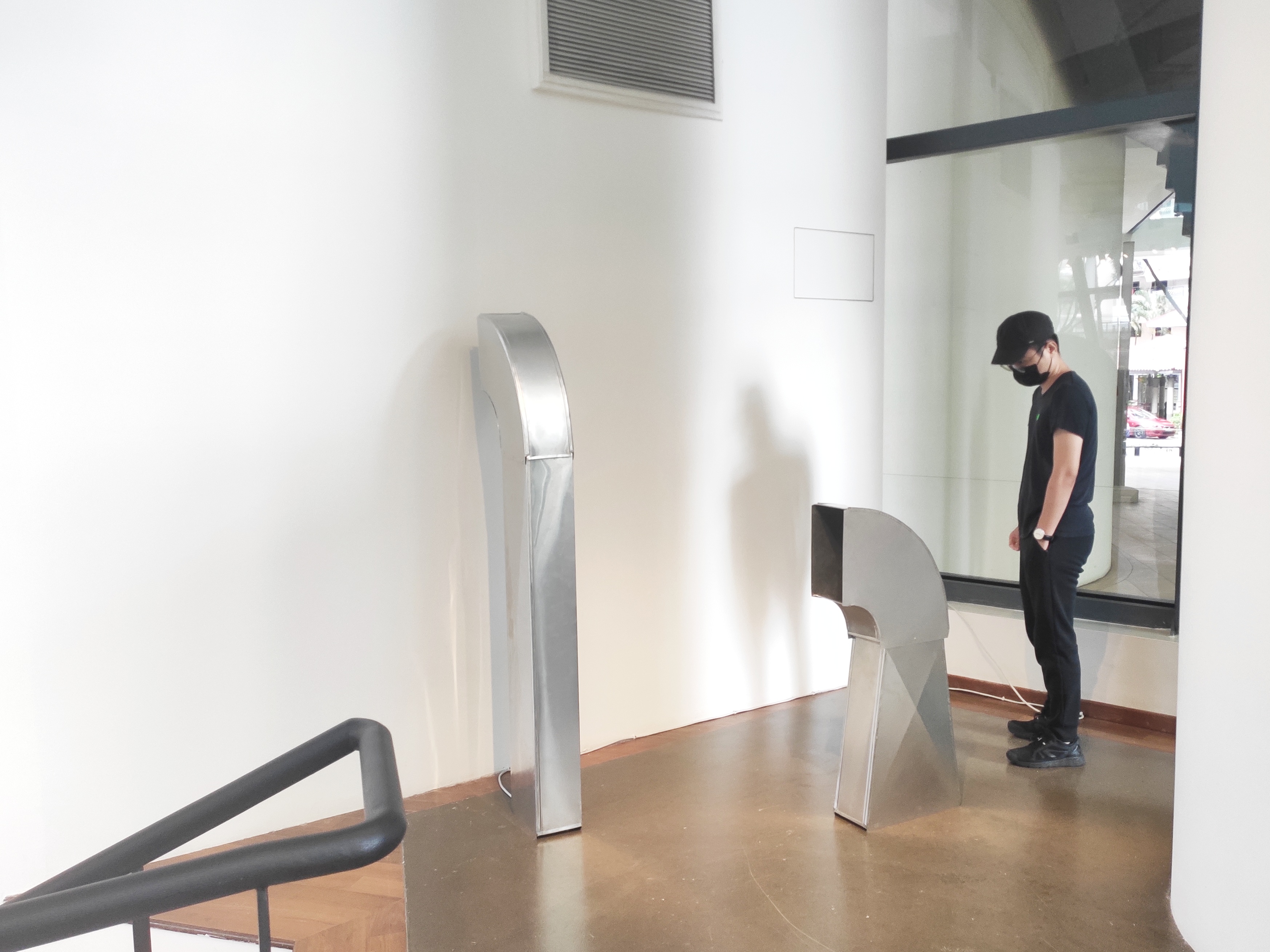
Post-industrial Bodies
Mixed Media Installation 2021,Singapore



–
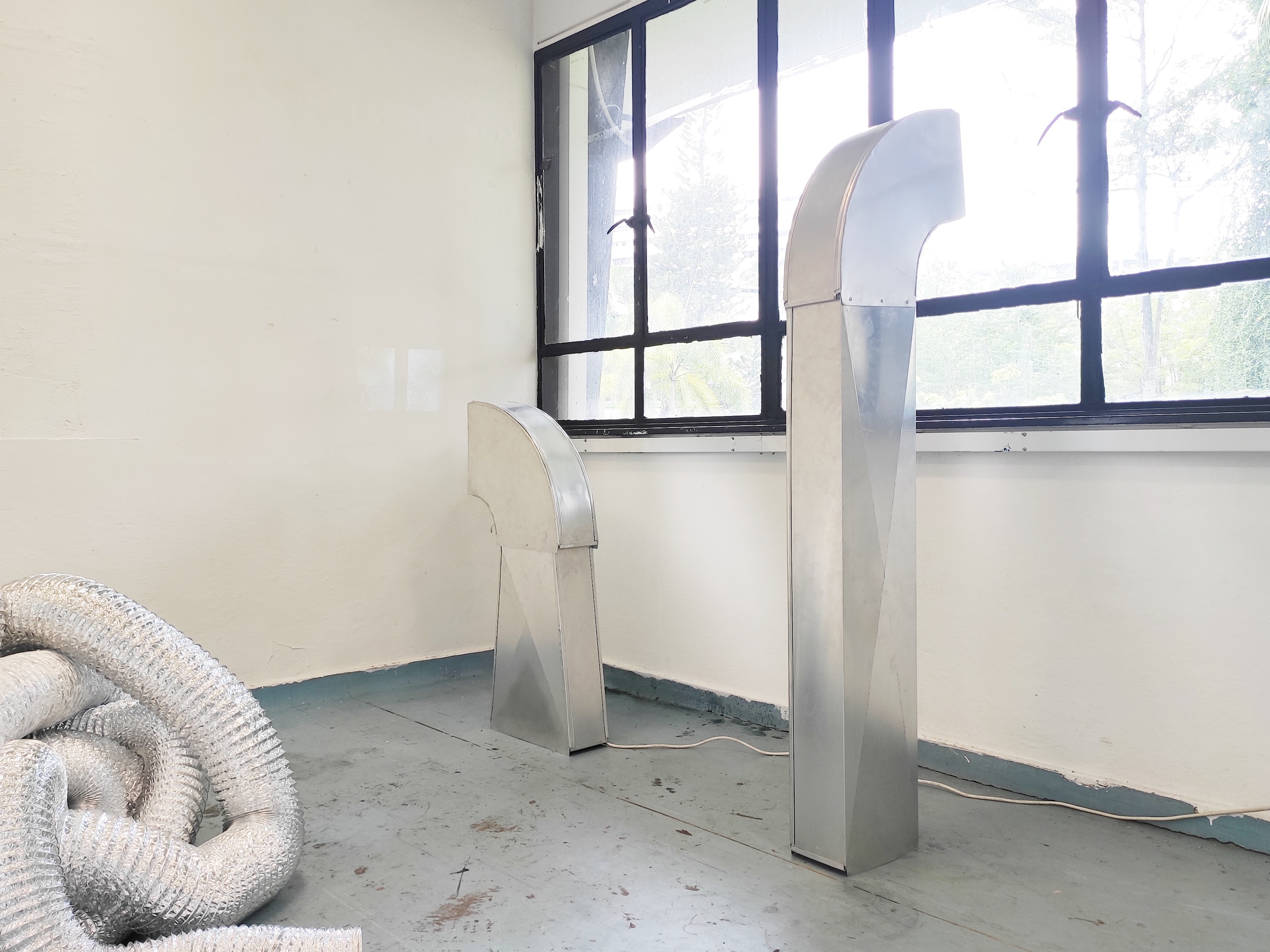
I am interested in how the human body internalises the external influences of the material world and social systems humans live in, especially that of the working environment. As Singapore shifts into a post-industrial era, the way people work, and the relationship between mankind and nature changes. The modern machine no longer stands for a miracle of automation but is now a symbol of a larger biological power that invisibly takes control of our work and lives.Post-industrial Bodies uses objects from the central air-conditioning system – one of the most symbolic machines in postindustrial Singapore – as a medium. This work attempt to examine how the human body tries to meet the needs of society, rather than its own functionality. This serves as a metaphor of the reciprocal assimilative relationship between our bodies and the material world around us.
 Huang Suhuai 黄素怀